


EV Charger Installation Cost in the UK: A Comprehensive Guide
Published: 2026-06-28 23:15:11
Updated: 2026-07-26 18:33:22
A simple budget installation may be closer to £700 to £1,000, while premium hardware or a more difficult property can push the total to £1,500 to £2,500+.
How much does an EV charger installation cost in the UK?
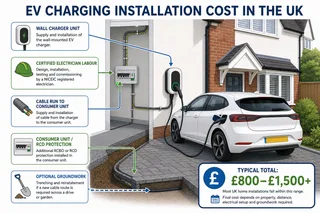
A typical UK home EV charger installation costs around £800 to £1,500 including the charger, standard materials, labour, testing and commissioning. A simple budget installation may be closer to £700 to £1,000, while premium hardware or a more difficult property can push the total to £1,500 to £2,500+. Very complex work involving trenching, long armoured cable runs, consumer unit upgrades or supply changes can exceed £3,000.
Most UK domestic installs are for a 7kW single-phase smart charger fitted near off-street parking. That is normally enough for overnight charging and is the practical limit for many homes with a single-phase electricity supply. A 7kW charger typically adds around 25 to 30 miles of range per hour, depending on the vehicle’s efficiency.
The final price mainly depends on:
- The charger make, model and cable type.
- The distance from the consumer unit or meter to the charger.
- Whether the cable route is simple, internal, external or underground.
- The condition of the consumer unit, earthing and bonding.
- Whether open PEN protection, RCD protection or load balancing is built in or needs adding.
- Whether DNO notification or pre-approval is required.
A quote that looks cheap at first can become more expensive if it excludes essential electrical protection, long cable routes, DNO work or consumer unit alterations. Whether groundworks, making good or electrical remedial work are needed.
EV charger installation cost at a glance
For most homeowners, the useful figure is not the charger price on its own, but the full installed cost. A domestic EV chargepoint is normally sold as a package including the unit, circuit materials, fitting, setup, testing and handover.
As a broad guide, charger hardware alone is often around £400 to £1,200. Standard installation labour, cable, containment and electrical materials may add around £300 to £800, but that assumes the property is straightforward.
Electrical remedial work can add £100 to £1,000+, depending on what is found during survey. For example, adding a small EV consumer unit may be relatively modest, while upgrading an old consumer unit or dealing with inadequate bonding can cost considerably more. Always check whether the quoted price includes VAT. Some advertised prices include it and some do not, which can make like-for-like comparison difficult.
Example installed cost breakdown
Every property is different, but a realistic standard installation might look like this:
This is why two homes with the same car and the same charger can receive very different quotes. The charger is only one part of the job; the property’s electrical condition and cable route often decide the final price.
What is included in a standard EV charger installation?
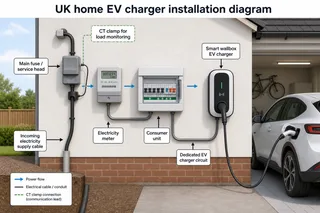
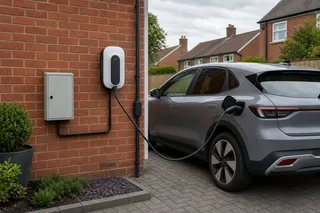
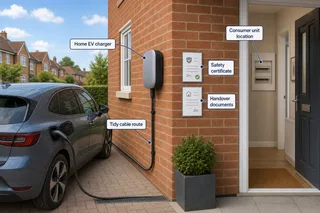
A standard installation usually assumes a short, simple job. The charger is typically fitted on an external wall or inside a garage close to the property’s electrical intake, meter or consumer unit. The cable route should be short, accessible and safe to install without trenching or major making good.
A straightforward installation often includes:
- A 7kW smart EV charger.
- A dedicated EV charging circuit.
- Suitable cable, glands, fixings and containment.
- Appropriate RCD, DC leakage and open PEN protection, either built into the charger or added separately.
- Basic configuration of the charger and app.
- Electrical testing and commissioning.
A standard installation normally assumes: If one or more of these assumptions is wrong, the quote may need to change. A good installer will ask for photos of the consumer unit, meter, main fuse, earthing, proposed charger position and cable route before confirming the price. Handover advice. Electrical Installation Certificate. DNO notification or application where required. Building Regulations compliance paperwork where applicable. The charger is close to the consumer unit or meter. The cable run is short and accessible. The existing earthing arrangement is suitable. The consumer unit has space or can be adapted easily. The property has off-street parking. There is a reliable Wi-Fi, mobile data or Ethernet connection for smart functions. No trenching, ducting or driveway reinstatement is needed. No major electrical remedial work is required.
What makes an EV charger installation more expensive?
The biggest cost increases usually come from the property rather than the car. The vehicle affects connector type, charge-port position and cable reach, but the home determines how difficult the electrical installation will be.
Longer cable routes
Cable length is one of the most common cost drivers. A charger mounted near the meter box may be quick to install. A charger on the far side of the house, in a detached garage or beside a distant parking bay may require:
- More cable.
- More labour.
- External conduit or trunking.
- Armoured cable.
- Drilling through walls.
- Loft, garage or underfloor routing.
Longer routes also need proper electrical design, because voltage drop and cable sizing matter for a high-load circuit. Additional making good.
Groundworks and driveway crossings
Groundworks can significantly change the price. If the cable must cross a driveway, garden or path, the job may involve:
Trenching. Ducting. Warning tape. Armoured cable. Sand bedding or mechanical protection. Reinstatement of paving, gravel, tarmac or landscaping.
This is very different from clipping a short external cable neatly along a wall.
Consumer unit and electrical condition
Older or crowded consumer units can add cost. The installer may find:
- No spare ways in the consumer unit.
- Outdated fuse board equipment.
- Inadequate RCD protection.
- Missing or undersized bonding to gas or water services.
- Unsuitable earthing.
- Signs of previous poor-quality electrical work.
In some cases, residential fuse box upgrades need to be priced before the EV charger can be installed safely. Limited supply capacity.
Load balancing and supply limitations
A 7kW charger can draw around 32 amps for several hours. Many UK homes have a single-phase supply with a main fuse commonly rated at 60A, 80A or 100A. The installer must consider the whole household load, especially if the property also has:
Electric showers. Heat pumps. Electric heating. Induction hobs. Hot tubs. Home batteries.
Dynamic load management may be needed to reduce EV charging power when the house is using a lot of electricity. Solar inverters. Large outbuildings or workshops.
Common extras that can increase the quote
Common cost additions include:
Longer cable runs. Armoured cable for external or underground routes. Trenching and driveway reinstatement. Consumer unit upgrades or alterations. Main bonding improvements. Additional RCD protection.
A low headline price may exclude several of these items. A better quote should make clear what is included, what is assumed and what would be charged as an extra. Open PEN fault protection if not built into the charger. Load balancing equipment. DNO application work. Wi-Fi boosters, Ethernet or mobile-signal solutions. Making good walls, paving or disturbed surfaces. Isolator switch installation by the supplier or meter operator.
Quick glossary of EV charger cost terms
EV charger quotes often include technical language. These are the main terms worth understanding before you compare prices.
kW: Kilowatt. This is the rate of charging. A 7kW charger can deliver about 7 kilowatts of power. kWh: Kilowatt-hour. This is the amount of energy stored or used. A 60kWh battery can theoretically store 60 units of electricity. Single-phase supply: The normal electricity supply type for many UK homes. It usually supports a 7kW home charger. Three-phase supply: A larger supply sometimes found in commercial premises, farms and some larger homes. It may support 22kW AC charging if the vehicle also allows it. Consumer unit: The modern name for a fuse box. It contains circuit breakers and protective devices. RCD: Residual Current Device. It disconnects the circuit if it detects certain fault currents.
DC leakage protection — Protection needed because EV chargers can create DC fault currents that affect normal RCD operation. PME earthing — Protective Multiple Earthing, a common UK earthing arrangement. PEN conductor — A combined protective earth and neutral conductor used in some network arrangements. EV chargers need protection against certain open PEN fault conditions. Open PEN protection — Safety protection required for many EV charging installations where PME earthing is present. DNO — Distribution Network Operator. The company responsible for the local electricity network, not the same as your electricity supplier. CT clamp — Current transformer clamp. A monitoring device used for load balancing or solar diversion. Tethered charger — A charger with a fixed cable attached. Untethered charger — A charger with a socket only, where you plug in a separate cable. Smart charger — A charger with communications and scheduling features. Most private domestic chargepoints sold in Great Britain must meet smart charging regulations.
Why the consumer unit, earthing and main fuse matter
An EV charger is a high-load electrical appliance that may run for hours at a time. It normally needs a dedicated circuit and must be properly protected. The installer should assess the consumer unit, main fuse, earthing arrangement and protective bonding before fitting the charger.
Many UK homes use PME earthing. EV charger installations often need open PEN fault protection, and many modern chargers include this within the unit. If the selected charger does not include suitable protection, additional equipment may be needed, which can affect the price.
RCD protection also matters. Many installations use Type A RCD protection with 6mA DC fault detection, but some situations require different arrangements. The installer must check the charger specification rather than assuming every unit is protected in the same way. Load balancing is another practical consideration. A 7kW charger can draw around 32A, which is a large load on a domestic supply. Dynamic load management uses a CT clamp to monitor household demand and reduce or pause EV charging when the property is close to its safe limit. That behaviour is normal and is designed to avoid overload. A 60A main fuse may need extra assessment. An 80A or 100A fuse gives more headroom, but the installer still has to check the whole installation, not just the fuse rating. The safe answer depends on the incoming supply, existing loads, diversity assumptions, earthing, cable route and protective devices.
Do you need DNO approval or an electricity supply upgrade?
The DNO is the local electricity network operator. In many cases, the installer can notify the DNO after fitting the charger. In other cases, the DNO may need to approve the installation before work starts, especially where supply capacity is limited or the proposed load is higher than the existing supply can comfortably support.
The installer should normally handle DNO notification or application, but you should check that this is included in the quote. If a main fuse upgrade is needed, it may involve the DNO and can take days or weeks. Some upgrades may be free in some cases, but that depends on the network operator and the site conditions.
Some homes also need an isolator switch fitted by the electricity supplier or meter operator before the charger can be installed. Installers should not remove the main service fuse unless they are authorised to do so. An isolator can make the work safer and simpler, but arranging one can affect the project timescale.
Is a 7kW charger enough, or should you pay for faster charging?
For most UK homes, a 7kW charger is the normal choice because most homes have a single-phase electricity supply. A 7kW unit usually adds around 25 to 30 miles of range per hour, based on a typical EV efficiency of roughly 3.5 to 4 miles per kWh.
A 3.6kW charger is slower and usually adds around 12 to 15 miles of range per hour. Charging from a 3-pin plug is slower again, typically adding around 6 to 8 miles of range per hour, and it is not ideal for regular long-term EV charging unless the socket has been checked by an electrician. Extension leads should not be used for EV charging.
A 22kW AC charger can add around 70 to 90 miles of range per hour, but it usually needs a three-phase electricity supply. Many EVs cannot accept 22kW AC charging even if the charger can provide it. Paying for a higher-rated charger is not worthwhile unless both the property supply and the vehicle support it. For example, a 60kWh battery would take roughly 8 to 9 hours to charge from empty to full on a 7kW charger, allowing for charging losses and the fact that the charger may not run at exactly full output all the time. Most drivers do not charge from empty to full every day. A more typical 20% to 80% top-up on a 60kWh battery needs about 36kWh, taking around 5 to 6 hours on a 7kW charger.
Tethered, untethered and smart charger choices
The charger type affects both convenience and price. Most new UK and European EVs use Type 2 AC connectors, but the layout of your driveway and the position of the car’s charge port still matter.
Tethered chargers
A tethered charger has a fixed cable attached. It is usually more convenient for daily home charging because you simply park, plug in and start the session. Tethered cable lengths are commonly around 5 metres or 7.5 metres, and a longer cable can cost more or be heavier to store neatly.
Tethered chargers are often best where the same parking space and vehicle position are used every day.
Untethered chargers
An untethered charger has a socket only and uses a separate charging cable. It can look tidier and may suit households that want flexibility, but you have to handle and store the cable each time.
Untethered chargers can be useful if different vehicles use the charger, or if you want the unit to be less visually prominent.
Smart charging features
Smart charging is required for most private domestic chargepoints sold in Great Britain. The regulations apply to many home and workplace chargepoints and include smart functionality such as scheduling and demand management. Smart charging does not make the charger faster, but it can help you use off-peak tariffs and avoid charging at expensive times.
Smart features may rely on Wi-Fi, mobile signal or Ethernet. Poor signal at the driveway can cause problems with app setup, firmware updates, tariff integration and scheduled charging.
If you have solar panels, a home battery or an off-peak EV tariff, charger compatibility becomes more important. Solar-compatible chargers can divert surplus generation into the car, but this is most useful if the vehicle is parked at home during the day. Off-peak tariffs can reduce running costs, but they do not usually reduce the installation cost. If you are looking at EV charging as part of a wider home energy upgrade, you can compare home solar panel options alongside charger and battery choices.
Grants, flats, rented homes and planning issues
The old Electric Vehicle Homecharge Scheme is closed to most owner-occupiers in houses. Some renters and flat owners may still qualify for OZEV EV chargepoint grants, and landlords may be able to claim separate grants for eligible rental properties.
The OZEV EV chargepoint grant can contribute up to 75% of the cost, capped at £350, for eligible applicants and properties. Eligibility depends on factors such as property type, parking rights, installer approval and vehicle criteria, so it is risky to assume a grant will apply until it has been checked against the current GOV.UK rules.
Flats and rented properties are often more complicated than houses with private driveways. Leasehold permissions, freeholder consent, management company rules, communal supplies, fire strategy and allocated parking all need to be checked. A landlord may also need to consider access arrangements and electrical safety documentation. Planning permission is usually not needed for a small wall-mounted domestic EV charger, but restrictions can apply for listed buildings, conservation areas or installations facing a highway. If the cable would need to cross a public pavement, there may be legal, safety and insurance issues. Some councils are trialling pavement cable channels, but this is not a simple standard installation for most homes.
How to compare EV charger quotes properly
The cheapest quote is not always the lowest final cost. A good quote should show the charger model, the installation assumptions and any exclusions. It should also explain what happens if the survey finds extra work is needed.
Ask for the quote to confirm these points:
Charger model: The exact make, model, tethered or untethered format, cable length and warranty should be stated. Installed power rating: The quote should confirm whether the charger is 3.6kW, 7kW or another rating. Cable route: The quote should describe the expected route and whether external, internal, garage or underground cabling is included. Cable allowance: Check whether there is a maximum included cable length and what extra metres cost. Electrical protection: The installer should confirm RCD arrangements, DC leakage protection and open PEN protection where relevant. Load balancing: The quote should say whether dynamic load management and CT clamp installation are included. A proper installer will usually ask about the vehicle model, charge-port position, parking layout, Wi-Fi signal, solar panels, home batteries, heat pumps, electric showers and other high-load appliances. These details are not just admin. They affect charger placement, cable reach, load calculations and how reliably the system will work after installation. If you want the charger assessed with solar, batteries and wider electrical capacity, you can book a free home energy survey. Consumer unit work — Any new circuit, spare way, small consumer unit or remedial work should be clearly priced. Earthing and bonding — The installer should confirm that earthing and main protective bonding will be checked. DNO process — The quote should explain whether notification or pre-approval is included. Connectivity — The quote should state whether Wi-Fi, Ethernet or mobile signal is needed for the charger. Groundworks — Any trenching, ducting or reinstatement should be priced separately and clearly. VAT position — The quote should state whether VAT is included or excluded. Certification — You should receive an Electrical Installation Certificate and Building Regulations compliance paperwork where required.
Red flags in a cheap EV charger quote
A low price is not automatically a problem, but be cautious if the quote:
Does not name the exact charger model. Does not mention RCD, DC leakage or open PEN protection. Does not include testing and certification. Does not explain the DNO process. Assumes a very short cable run without checking photos. Excludes consumer unit work without inspecting the board.
A safe installation should follow current wiring regulations and relevant EV charging guidance. The installer should be competent, insured and able to issue the correct paperwork. Does not ask about main fuse size or other high-load appliances. Ignores Wi-Fi or mobile signal requirements. Does not state whether VAT is included. Offers to install from a 3-pin socket circuit rather than a dedicated EV circuit. Suggests using extension leads for regular EV charging.
When a home EV charger may not be suitable
A home charger is most suitable where you have reliable off-street parking, a sensible cable route and a property supply that can support the charger. It is especially useful for drivers who can charge overnight and access cheaper off-peak electricity.
It may be less suitable if you:
Park on the street. Expect to move home soon. Cannot get landlord, freeholder or management company consent. Would need expensive supply upgrades for a distant parking space. Cannot route the cable safely without crossing public land. Have a listed property or complex planning restrictions. In those cases, workplace charging, local public charging or a future on-street solution may be more practical. You should also think about where future vehicles might charge. Some EVs have front charge ports, while others have rear-side ports. A charger placed perfectly for today’s car may be awkward for the next one if the cable cannot reach without being stretched or crossing a walking route. Have poor electrical condition that needs major work first.
How to keep EV charger installation costs under control
The best way to avoid surprises is to plan the installation before choosing the charger position. Practical steps include:
Choose a charger location close to the consumer unit or meter where possible. Avoid unnecessary trenching or driveway crossings. Send clear photos to the installer before accepting a quote. Check whether your consumer unit has spare capacity. Confirm whether your main fuse is 60A, 80A or 100A if this is visible. Tell the installer about heat pumps, electric showers, solar panels, batteries and induction hobs.
Spending slightly more on the right design can be better value than paying less for a charger that is awkward to use, unreliable on smart tariffs or missing important protection. Check Wi-Fi or mobile signal at the proposed charger location. Choose a tethered cable length that reaches comfortably without creating a trip hazard. Confirm grant eligibility before assuming any discount. Ask for an itemised quote with exclusions clearly stated.
Bottom line on EV charger installation cost
For a typical UK home, expect an EV charger installation cost of around £800 to £1,500. Simple budget jobs may be closer to £700 to £1,000, while premium chargers and difficult installations can cost £1,500 to £2,500 or more. Very complex work involving long cable runs, trenching, consumer unit changes or supply upgrades can exceed £3,000.
The best way to control cost is to choose a suitable charger, keep the cable route practical, confirm the condition of the consumer unit and earthing, and get an itemised quote before work starts. The right installation should be safe, certified, positioned for everyday use and configured for your vehicle, tariff and property.
Plan, Compare & Buy Renewable Energy Solutions
AI does the thinking.
You get the perfect solar match.
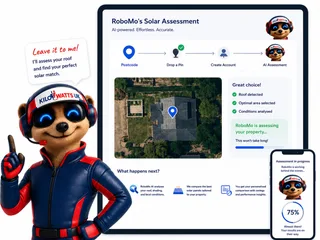
Use RoboMo™ to assess your property, compare available technologies and connect with trusted UK installers, suppliers and manufacturers.
Simply enter your postcode, drop a pin on your roof, create your free account and let RoboMo™ analyse your property to find the best solar panels for your home.

You don't have to think
RoboMo™'s AI analyses your roof and does all the hard work.

Accurate & tailored
AI-powered assessment based on your roof, location, and conditions.

Best options, maximum savings
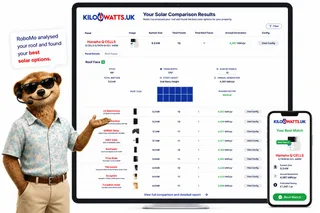
Compare top solar panels for the best performance and value.

Simple, fast & effortless
Provide a few details, sit back and watch your results unfold.
STEP 1
Choose Home, Business or Industrial
Enter your postcode to start your assessment.
STEP 2

Drop a pin on your roof
STEP 3

Create your free account
STEP 4

Sit back and watch RoboMo™ work
RoboMo™ analyses your roof and builds your personalised solar comparison.

Step 1
Enter your postcode
Start designing your wind energy system in seconds.
Are you an installer, distributor or renewable energy business?
Kilowatts UK is expanding the Flower Turbines partner network across the UK.
Become A Flower Turbines PartnerKilowatts UK is an authorised representative
Flower Turbines
Compact vertical-axis turbines built for real UK sites, not just open farmland.
They start in light wind, sit in a small footprint, and are bird-safe by design. Cluster them as a bouquet and the group performs better together than the same turbines standing alone. Enter your postcode for a location-based generation estimate. Figures use area weather data and will differ if buildings, trees or hills sit in the way.
Starts in light UK wind
Built to generate in typical UK wind, not only open farmland.
Small rooftop or ground footprint
Compact towers for roofs, yards and tight sites.
Bird-safe slow rotation
Slow vertical-axis spin, bird-safe by design.
Bouquet clusters raise output
Grouped turbines outperform the same units standing alone.


STEP 2

Choose a location
STEP 3

Place your cluster
Tap the map where you want the turbine cluster to go.
STEP 4

Instant generation forecasts
Compare different turbine layouts and see annual generation forecasts instantly.
STEP 5

No commitment required
Explore different configurations before deciding whether to request a quotation.
Related articles
Mo's Mission Nominations
FAQ
Need Help? RoboMo's Got Answers
How much does a home EV charger installation cost in the UK?
A typical UK home EV charger installation costs around £800 to £1,500 including the charger, standard materials, labour, testing and commissioning. A simple installation may be closer to £700 to £1,000, while premium chargers, longer cable routes, consumer unit work or difficult access can increase the cost to £1,500 to £2,500 or more. Very complex installations involving trenching, driveway reinstatement, supply upgrades or significant electrical remedial work can exceed £3,000.
What is usually included in a standard EV charger installation?
A standard installation normally includes a 7kW smart EV charger, a dedicated charging circuit, suitable cable and containment, required electrical protection, basic app setup, testing, commissioning, handover guidance and certification. It usually assumes the charger is close to the consumer unit or meter, the cable route is short and accessible, the existing electrics are suitable, and no trenching, major making good or consumer unit upgrade is needed.
Why do EV charger installation quotes vary so much?
Quotes vary because the charger is only part of the total cost. The final price depends on the charger model, cable length, cable route, earthing arrangement, consumer unit condition, main fuse capacity, load balancing requirements, DNO involvement and whether any groundworks or remedial electrical work are needed. Two homes with the same car and charger can receive very different quotes if one has a simple wall-mounted installation and the other needs a long armoured cable route or electrical upgrades.
What can make an EV charger installation more expensive?
The most common extras are long cable runs, armoured cable, trenching, driveway or garden reinstatement, consumer unit alterations, main bonding upgrades, additional RCD or open PEN protection, load balancing equipment, poor Wi-Fi signal solutions and DNO application work. Costs can also rise if the charger is far from the meter, the parking space is detached from the house, or the existing electrical installation is old, crowded or unsuitable.
Is a 7kW EV charger enough for most homes?
Yes, a 7kW charger is the normal choice for most UK homes with a single-phase electricity supply. It typically adds around 25 to 30 miles of range per hour, depending on the vehicle’s efficiency, and is usually enough for overnight charging. Faster 22kW AC charging normally needs a three-phase supply, and many EVs cannot accept 22kW AC charging even if the charger can provide it.
How long does it take to charge an EV at home?
Charging time depends on the battery size, starting charge level, charger power and vehicle efficiency. As a rough guide, a 7kW charger can charge a 60kWh battery from empty to full in around 8 to 9 hours, allowing for charging losses. A more typical 20% to 80% top-up on a 60kWh battery takes around 5 to 6 hours on a 7kW charger.
Do I need DNO approval for a home EV charger?
Many home EV charger installations only need the Distribution Network Operator to be notified after installation, but some need DNO approval before work starts. Pre-approval may be required if the property has limited supply capacity, a smaller main fuse, high existing electrical loads or a proposed installation that could exceed network limits. A competent installer should assess this and handle the DNO notification or application process, but you should check that it is included in the quote.
Will I need a consumer unit upgrade before installing an EV charger?
Not always, but some homes need consumer unit alterations or upgrades before an EV charger can be installed safely. This may be necessary if there is no spare capacity, the board is outdated, the existing protection is unsuitable, bonding is missing or undersized, or the earthing arrangement needs improvement. A survey should check the consumer unit, main fuse, earthing and bonding before the final price is confirmed.
What is open PEN protection and why does it matter?
Open PEN protection is a safety measure required for many EV charger installations on PME earthing systems, which are common in the UK. It helps protect against dangerous touch voltages if a fault occurs in the network’s combined protective earth and neutral conductor. Many modern EV chargers include open PEN protection, but if the chosen charger does not, additional protective equipment may be required and this can increase the installation cost.
Should I choose a tethered or untethered EV charger?
A tethered charger has a fixed charging cable and is usually more convenient for daily use because you can simply plug in without getting a separate cable from the car. An untethered charger has a socket only, looks tidier and may suit households using different vehicles or wanting a less visible unit. The best choice depends on your parking layout, charge-port position, cable length needs and how often you charge.
Can I use a 3-pin plug instead of installing a home EV charger?
A 3-pin plug can charge an EV slowly, often adding around 6 to 8 miles of range per hour, but it is not ideal for regular long-term charging unless the socket and circuit have been checked by an electrician. A dedicated EV charger is safer, faster and better suited to repeated high-load use. Extension leads should not be used for EV charging.
Are EV charger grants still available in the UK?
The old Electric Vehicle Homecharge Scheme is closed to most owner-occupiers in houses, but some renters, flat owners and landlords may still qualify for OZEV grants. Eligible applicants may be able to receive up to 75% of the cost capped at £350, but eligibility depends on the property, parking arrangement, vehicle, installer approval and current GOV.UK rules. Grant eligibility should be confirmed before assuming any discount applies.
Do I need planning permission for a home EV charger?
Planning permission is usually not needed for a small wall-mounted domestic EV charger, especially where it is installed on private property with off-street parking. Restrictions may apply for listed buildings, conservation areas, properties facing a highway or installations that require cables to cross public pavements. If you are unsure, check with your local authority before installation.
Can an EV charger be installed if I live in a flat or rented property?
Yes, but flats and rented homes are often more complicated than owner-occupied houses with private driveways. You may need landlord consent, freeholder approval, management company permission, proof of allocated parking, access to a suitable electrical supply and agreement on fire safety or communal-area rules. The installation may also need additional design work if the parking space is remote from the property’s electrical intake.
What should I check before accepting an EV charger quote?
Check that the quote names the exact charger make and model, confirms whether it is tethered or untethered, states the installed power rating, describes the cable route, includes testing and certification, explains RCD and open PEN protection, confirms DNO handling, states whether load balancing is included and makes clear whether VAT is included. You should also check what cable length is included and what happens if the survey finds extra work is needed.
How can I reduce the cost of installing an EV charger?
The best way to keep costs down is to choose a practical charger location close to the consumer unit or meter, avoid unnecessary trenching, provide clear survey photos, confirm the condition of your consumer unit, check Wi-Fi or mobile signal at the charger position and tell the installer about high-load appliances such as electric showers, heat pumps, induction hobs, solar panels or batteries. A clear, itemised quote helps avoid unexpected extras later.