


Is the Garmin Fenix 8 51mm Solar or AMOLED better for you?
Published: 2026-09-12 14:29:09
Updated: 2026-09-13 06:18:07
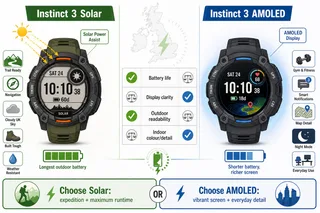
The Solar version wins on battery life and always-on readability in bright sun, while the AMOLED version wins on screen sharpness and colour richness.

Is the Garmin Fenix 8 51mm Solar or AMOLED better for you?
See how the Garmin Fenix 8 51mm Solar and AMOLED compare for battery, screen clarity, outdoor visibility, and price before you buy.
Overview
There is no single winner between the Garmin Fenix 8 51mm Solar and AMOLED. The Solar version wins on battery life and always-on readability in bright sun, while the AMOLED version wins on screen sharpness and colour richness. Both are premium multisport watches at a similar price point, so the decision comes down to display technology rather than budget. The right pick depends on how you train, where you train, and how often you want to charge.

What is the difference between the Fenix 8 51mm Solar and AMOLED?
The core difference is the display technology. The Fenix 8 Solar uses a memory-in-pixel, or MIP, display at 260px resolution, while the Fenix 8 AMOLED uses a 454px panel, according to Running with Rock. The AMOLED screen is visibly sharper and shows richer colour with deeper blacks.
The Solar version's charging ring reduces the effective display area to 1.3 inches, versus 1.4 inches on the AMOLED version. That difference is small on paper but noticeable when viewing multiple data fields during a workout. If the watch comparison has prompted you to think more broadly about solar technology, it is worth understanding how solar works in UK homes too.
Both watches share the same core fenix 8 platform. A long-term review from Treeline Review confirms that both models include a microphone, speaker, depth gauge, and dive-related features. Sapphire Power Glass comes standard on the Solar model, while Sapphire is an optional upgrade on the AMOLED version.
How much longer does the Fenix 8 51mm Solar battery last?
The Solar version lasts noticeably longer between charges. For the 47mm size, the Fenix 8 Solar is rated for 21 days of battery life in smartwatch mode, while the Fenix 8 AMOLED is rated for 16 days, according to Running with Rock. The 51mm versions generally outperform these figures, so treat the 47mm numbers as a baseline.
Solar charging lifts the advertised figure to 28 days in smartwatch mode, which is roughly a 30 percent increase over the standard Solar rating. The AMOLED version drops to about 7 days when the always-on display is enabled.
The Solar model trickle-charges in daylight, so heavy outdoor users can stretch time between charges further. If you spend long days hiking, trail running, or working outside, the Solar's daylight charging adds meaningful convenience. The same basic principle of matching generation to real use also applies when estimating solar panel output for a property.
Which display is easier to read outdoors and in low light?
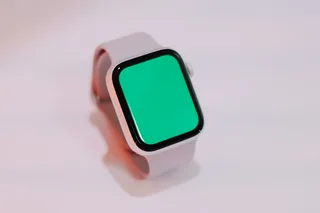
It depends on the lighting conditions. The Solar's MIP display is transflective, so it stays legible in direct sunlight without fighting reflections. That makes the Solar version the stronger choice for bright outdoor training.
The AMOLED display is brighter and more colourful indoors and at night, with better contrast and deeper blacks. If most of your training happens before sunrise, after dark, or indoors, the AMOLED screen will look significantly better.
The AMOLED's always-on mode costs significant battery life, which affects all-day readability if you want the screen visible without a wrist gesture. The Solar's smaller 1.3-inch window also means slightly less room for data fields compared with the 1.4-inch AMOLED panel. Low-light performance of the MIP panel is worth testing in person before buying.
Does the Fenix 8 51mm Solar or AMOLED cost more in the UK?
The Solar version carries a higher headline price in the US market. The Fenix 8 Solar retails for ,099.99, with the Sapphire version adding about 0, according to Running with Rock. However, Sapphire Power Glass is included as standard on the Solar model, which narrows the real-world gap when comparing like-for-like specifications.
UK pricing is not confirmed in the available sources and should be checked with a UK retailer before making a decision. Garmin also offers the cheaper fenix E at roughly 0 less, but that model only comes in 47mm and lacks the microphone, speaker, flashlight, and dive features, according to Treeline Review.
Factor in strap and size variants before comparing prices directly. For home energy decisions, the better comparison is usually between roof suitability, self-consumption and system design, rather than headline product names, so homeowners may want to compare home solar options before committing to an installation route.
What sizes and models can you actually choose from?
The Solar version is only available in 47mm and 51mm sizes. There is no 43mm Solar option, according to Running with Rock. The AMOLED version comes in 43mm, 47mm, and 51mm, so smaller wrists are better served by the AMOLED range.
The fenix E sits below both models at 47mm only. It misses out on the microphone, speaker, flashlight, and new dive features found on the full fenix 8 line, according to Treeline Review.
The 51mm case suits larger wrists and gives the biggest battery of any Fenix 8 configuration. Colour and finish options differ by model and region and are not covered in the available sources.
How does the Fenix 8 AMOLED hold up over long-term use?
The Fenix 8 AMOLED has held up well in extended testing. A long-term review published in March 2025 by Treeline Review rated the watch highly enough to win a Reader's Favourite Gear of 2025 award.
The microphone and speaker are described as the two major hardware upgrades on the fenix 8 generation. These additions allow you to take calls and use voice commands directly from the watch.
The depth gauge and dive features extend the Fenix 8's appeal beyond running and hiking. Water resistance is 10 ATM, so pool and open-water swimming are fine. The watch carries a one-year warranty from purchase.
Which Fenix 8 51mm should you buy in 2026?
Choose the Solar version if battery life, always-on visibility in sunlight, and included Sapphire Power Glass matter most to you. The MIP display is less flashy but more practical for long outdoor sessions where charging opportunities are limited.
Choose the AMOLED version if you want the sharpest, most colourful screen and the option of a smaller 43mm case. The 454px panel is noticeably crisper than the Solar's 260px display, according to Running with Rock.
If you are weighing up home energy upgrades alongside a watch purchase, Kilowatts.uk offers a free solar assessment with a featured installer, plus AI-powered solar sizing through RoboMo™. Try both watches on in person, because the 1.3-inch versus 1.4-inch display difference is easier to judge on the wrist. Set a realistic budget, since both sit at the premium end and UK pricing varies, especially if you are also considering whether home battery storage fits your wider energy plans.
Key Takeaways
The following points summarise the key takeaways:
- The Fenix 8 Solar uses a 260px MIP display, while the AMOLED version is 454px and noticeably sharper.
- The Solar's charging ring reduces the display to 1.3 inches, compared with 1.4 inches on the AMOLED.
- The 47mm Solar is rated 21 days in smartwatch mode versus 16 days for the AMOLED.
- AMOLED battery life falls to around 7 days with always-on display enabled.
- Solar charging raises the advertised smartwatch figure to 28 days, about a 30 percent increase.
- The Solar comes only in 47mm and 51mm, while the AMOLED also comes in 43mm.
- Sapphire Power Glass is standard on Solar but optional on AMOLED.
References
The following points summarise the key takeaways:
Plan, Compare & Buy Renewable Energy Solutions
AI does the thinking.
You get the perfect solar match.
Use RoboMo™ to assess your property, compare available technologies and connect with trusted UK installers, suppliers and manufacturers.
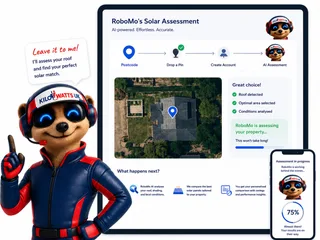
Simply enter your postcode, drop a pin on your roof, create your free account and let RoboMo™ analyse your property to find the best solar panels for your home.

You don't have to think
RoboMo™'s AI analyses your roof and does all the hard work.

Accurate & tailored
AI-powered assessment based on your roof, location, and conditions.

Best options, maximum savings
Compare top solar panels for the best performance and value.

Simple, fast & effortless
Provide a few details, sit back and watch your results unfold.
STEP 1
Choose Home, Business or Industrial
Enter your postcode to start your assessment.
STEP 2
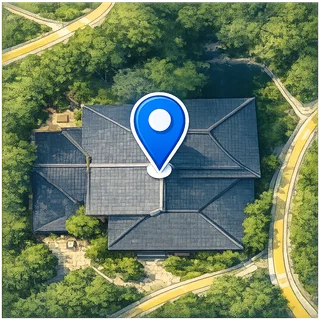
Drop a pin on your roof
STEP 3

Create your free account
STEP 4
Sit back and watch RoboMo™ work
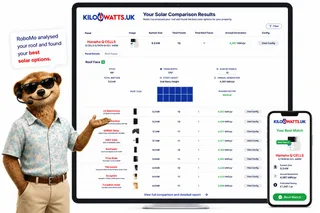
RoboMo™ analyses your roof and builds your personalised solar comparison.

Step 1
Enter your postcode
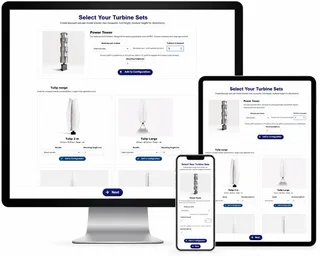
Start designing your wind energy system in seconds.
Are you an installer, distributor or renewable energy business?
Kilowatts UK is expanding the Flower Turbines partner network across the UK.
Become A Flower Turbines PartnerKilowatts UK is an authorised representative
Flower Turbines
Compact vertical-axis turbines built for real UK sites, not just open farmland.
They start in light wind, sit in a small footprint, and are bird-safe by design. Cluster them as a bouquet and the group performs better together than the same turbines standing alone. Enter your postcode for a location-based generation estimate. Figures use area weather data and will differ if buildings, trees or hills sit in the way.
Starts in light UK wind
Built to generate in typical UK wind, not only open farmland.
Small rooftop or ground footprint
Compact towers for roofs, yards and tight sites.
Bird-safe slow rotation
Slow vertical-axis spin, bird-safe by design.
Bouquet clusters raise output
Grouped turbines outperform the same units standing alone.
STEP 2

Choose a location
STEP 3
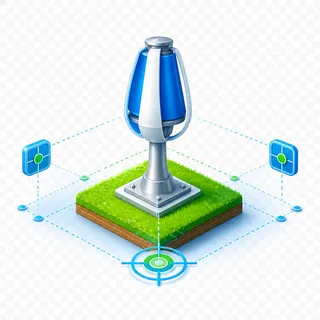
Place your cluster
Tap the map where you want the turbine cluster to go.
STEP 4

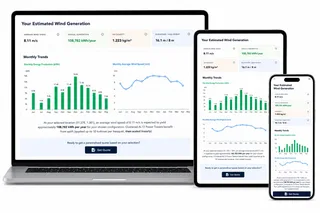
Instant generation forecasts
Compare different turbine layouts and see annual generation forecasts instantly.
STEP 5
No commitment required
Explore different configurations before deciding whether to request a quotation.
Related articles
Mo's Mission Nominations
FAQ
Need Help? RoboMo's Got Answers
Is the Garmin Fenix 8 51mm Solar better than the AMOLED version?
Not for everyone. The 51mm Solar is better if you want the longest battery life and a screen that stays easy to read in bright outdoor conditions. The AMOLED version is better if you want a sharper, brighter and more colourful display for everyday use.
Does the Fenix 8 Solar work well in UK weather?
Yes, but the solar benefit depends on how much daylight reaches the watch. UK cloud, sleeves and winter daylight can all reduce solar charging compared with sunnier climates. Treat solar as a useful battery extender, not a replacement for plugging the watch in.
Which Fenix 8 51mm has the best battery life?
The Solar model is the stronger choice for battery life, especially if you spend a lot of time outdoors. The AMOLED version can still last well, but using the always-on display reduces battery life significantly. If charging less often matters most, choose Solar.
Which screen is easier to read outdoors?
The Solar model’s MIP display is usually easier to read in strong sunlight because it uses ambient light well. The AMOLED screen looks more vivid indoors, at night and in dull conditions. If you train mostly outside in daylight, Solar is the safer pick.
Is the AMOLED display worth choosing over Solar?
It is worth choosing if screen quality matters more than maximum battery life. The AMOLED display is sharper, more colourful and better for maps, menus and daily smartwatch use. It is less ideal if you want an always-on screen without charging more often.
Is the 51mm Garmin Fenix 8 too big for smaller wrists?
The 51mm case is large and can feel bulky, especially for smaller wrists or everyday wear under sleeves. If size is a concern, try it on before buying. The AMOLED range also includes smaller case options, while the Solar range is more limited.
Does the Garmin Fenix 8 Solar use the same kind of solar power as home solar panels?
No. The watch uses a small solar charging layer to help extend battery life, while home solar panels are designed to generate electricity for a property. The watch can be a useful reminder of how solar works, but it should not be compared directly with a domestic solar PV system.
Should UK buyers compare prices before choosing Solar or AMOLED?
Yes. UK prices, colours, straps and sapphire options can vary by retailer and availability. Check the exact model number and specification before buying, because similar-looking versions may differ in display, glass and case size.