


Rooftop Solar vs Home Batteries: What to Install First
Published: 2026-08-22 23:31:06
Updated: 2026-08-22 16:52:30
Energy bills remain stubbornly high, and more UK homeowners are looking for ways to take control.
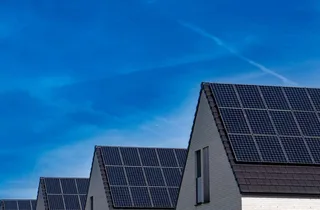
Rooftop Solar vs Home Batteries - What to Install First
Energy bills remain stubbornly high, and more UK homeowners are looking for ways to take control.
Overview
If you're weighing up rooftop solar vs home batteries, you're not alone. Energy bills remain stubbornly high, and more UK homeowners are looking for ways to take control. The problem is that the two technologies get bundled together so often that it's hard to know what each one actually does, what it costs, and whether you need both. This guide cuts through the confusion. We'll look at the real numbers, the honest limitations, and a simple framework to help you decide what to install first based on your home, your budget, and how you use energy.
What's the Difference Between Rooftop Solar and Home Batteries?
Rooftop solar and home batteries solve different problems, and understanding that distinction is the first step to making a smart decision.
Solar panels are a generation asset. They produce clean electricity during daylight hours, reducing how much you need to buy from the grid. Every kilowatt-hour they generate is a kilowatt-hour you don't pay for. If you want a deeper primer on how solar panels work, start with the basics before comparing system options.
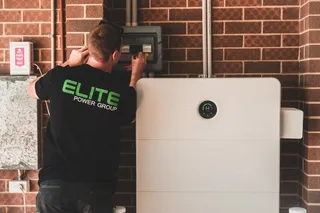
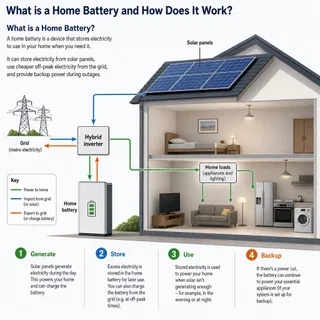
Batteries are a storage asset. They hold excess energy, either from your solar panels or from cheap off-peak grid tariffs, so you can use it later when energy is more expensive or unavailable. Our guide to home batteries explains the core components and how charging and discharging works. A simple way to think about it: solar is like earning an income, and a battery is like a savings account that lets you spend that income when you need it most. The two work brilliantly together, but you can absolutely install either one on its own. Plenty of UK households do.
How Much Do They Cost in the UK in 2026?
Let's talk numbers, because cost is usually the deciding factor.
A typical residential rooftop solar installation in the UK costs between £4,000 and £7,000, depending on the number of panels and the complexity of your roof. The payback period is generally 5 to 8 years, which makes solar one of the more reliable home energy investments available.
Home battery storage costs between £3,000 and £7,000 depending on capacity. Payback typically runs 7 to 12 years, but that shortens considerably when the battery is paired with solar panels. For context, a Tesla Powerwall 3 retails at roughly £6,500 to £7,000 for a 13.5kWh unit with an integrated inverter and a 10-year warranty. Other UK brands like GivEnergy, Fox ESS, and SolarEdge often come in at lower price points for similar capacity. When you install both together, households can realistically cut electricity bills by 70 to 90%, depending on usage patterns. Prices have stabilised after recent volatility, and VAT relief on energy-saving materials continues to keep upfront costs more manageable than they were a few years ago.
The Case for Rooftop Solar First
For most UK homeowners, solar panels should come first. The reasoning is straightforward: they offer a faster payback, a longer lifespan, and immediate savings from day one.
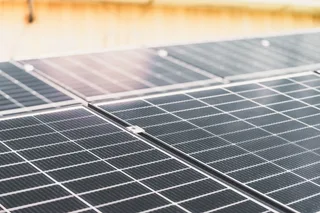
Solar panels typically last 20 to 25 years or more, and they generate value every sunny day. Even in the UK's grey climate, a well-positioned roof produces meaningful power for most of the year. The payback period of 5 to 8 years beats batteries alone, which take 7 to 12 years to recoup their cost.
You don't need a battery to benefit from solar. If you're at home during the day, you can run the washing machine, charge an EV, or power your home office directly from your panels. Any surplus you don't use can be exported to the grid through the Smart Export Guarantee, earning you a small payment per kilowatt-hour. If your primary goal is reducing bills with the shortest possible payback, solar panels are the logical first step. They're the workhorse of home energy independence.
The Case for a Home Battery First
There are situations where a battery makes sense before solar, and it usually comes down to your tariff.
If you're on a time-of-use tariff like Octopus Go or Economy 7, you can charge a battery overnight when electricity is cheap, then discharge it during peak hours when grid prices are highest. This approach, known as tariff arbitrage, can cut bills even in a home with no solar panels at all. The wider the gap between your off-peak and peak rates, the better the savings.
Batteries also provide backup power during outages, which solar panels alone cannot do. When the grid goes down, most solar inverters shut off for safety reasons. A battery with the right setup keeps your lights on and your fridge running. Modern lithium-ion batteries are over 90% efficient, meaning very little energy is lost in the charge-discharge cycle. If you're on a variable tariff and can shift your usage patterns, a standalone battery can be a smart investment. Just check your tariff's peak and off-peak spread before committing.
Why Most UK Homes Benefit From Installing Both
While either technology works on its own, the combination is where the real savings live.
Solar plus battery maximises self-consumption. Instead of exporting your daytime surplus to the grid for 5 to 15p per kilowatt-hour, you store it and use it in the evening when grid electricity costs 25 to 30p per kilowatt-hour. That difference adds up quickly over a year.
Combined savings of 70 to 90% on electricity bills are realistic with the right system size and sensible usage habits. A typical 13.5kWh battery can power a home overnight, covering your evening and morning demand without touching the grid. Be realistic about winter, though. Between November and February, solar generation drops sharply, and a battery won't cover extended periods of poor weather. You'll still need the grid, but your annual bill reduction remains substantial. If you're planning to install both eventually, doing them together often saves on installation costs and simplifies the setup. One installation, one inverter, one set of scaffolding.
The Honest Truth About Grid Independence
Let's be clear about what batteries can and cannot do. Full grid independence is expensive and rarely practical for UK homes, especially in winter.
A battery alone won't see you through several days of low solar generation. When the panels produce little for a week in January, you'll draw from the grid regardless of how much storage you have. The realistic goal is reducing grid dependence, not eliminating it. Cutting your bills by 70 to 90% is achievable. Cutting them by 100% is not, at least not without a very large investment.
Also remember that batteries have a shorter lifespan than panels. Expect 10 to 15 years from a battery, compared to 20 to 25 years or more from solar panels. Factor in a replacement cost down the line. Be wary of any marketing that promises true off-grid living for an average household. The maths rarely works.
Rooftop Solar vs Home Batteries: A Simple Decision Framework
Here's how to decide what to install first based on your situation.
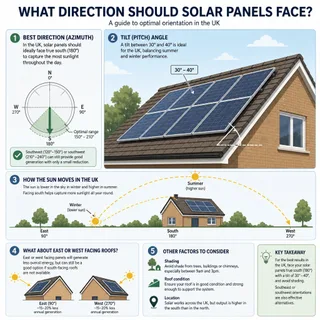
Choose solar first if you want the fastest payback, have a roof with good orientation, and use most of your energy during the day. This covers a lot of UK households, especially those with people at home during daylight hours.
Choose a battery first if you're on a time-of-use tariff with a wide peak and off-peak spread, want backup power during outages, or can't install solar because of a rented property or unsuitable roof. Choose both together if you want maximum savings, use energy across the day and evening, and can stretch the upfront budget. This is the option that delivers the biggest bill reduction. If you're unsure which path fits your home, our AI-powered RoboMo assessment can give you a tailored view of your roof's solar potential and likely battery needs. A free solar and battery assessment with a featured installer can also provide concrete numbers for your property.
What About EV Chargers and Heat Pumps?
If you own an electric vehicle, a battery lets you charge overnight on cheap tariffs and run your home on stored solar during the day. The combination works well, but it's worth thinking about how the pieces fit together.
Heat pumps are a different challenge. They work with batteries and smart tariffs, but sizing matters. A heat pump can drain a 13.5kWh battery quickly in winter, so you'll need to plan your system carefully. Our EV charger comparison tool can help you find a charger that works with your solar and battery setup.
Think of solar, battery, EV charging, and heat pumps as one integrated home energy system, not separate purchases. The more pieces you add, the more important it is to get the sizing right from the start.
How to Get Started Without the Sales Pressure
Start with your energy usage data. Check your annual consumption and think about when you use power throughout the day. That information shapes everything else.
Use independent tools like RoboMo for an AI-driven solar assessment before talking to any installer. Then compare multiple quotes through our directory of vetted, trusted UK installers. There's no obligation and no hard selling.
Ask installers for real-world performance data from similar UK homes, not just theoretical savings. A good installer will be happy to share examples. The best system is the one sized for your actual lifestyle, not the one with the biggest marketing budget.
Frequently Asked Questions
Is battery storage worth it without solar panels? Yes, if you're on a time-of-use tariff with a wide peak and off-peak spread. The savings from tariff arbitrage can justify the upfront cost.
How long do solar batteries last? Typically 10 to 15 years, depending on chemistry and usage patterns. Lithium-ion batteries are the most common choice for UK homes.
Can I run my house on solar battery alone? For short periods, yes. For extended winter weather, no. You'll still need the grid during dark, cold spells. What size battery do I need? It depends on your daily usage and whether you have solar. A typical UK home needs 5 to 13.5kWh of usable capacity. What is the payback period for solar battery storage? Seven to 12 years, but shorter when paired with solar panels and smart tariffs.
Bottom Line: What Should You Do in 2026?
Solar panels remain the best first investment for most UK homeowners. They offer faster payback, a longer lifespan, and immediate savings from day one. Add a battery if you want to maximise self-consumption, gain backup power, or take advantage of time-of-use tariffs.
If you can afford both, the combination delivers the biggest bill reduction, up to 90%, and the best long-term value. Start with an independent assessment of your property and usage, then compare vetted installers on our platform.
The worst decision is no decision. Energy prices remain high, and every month without solar or storage is a month of missed savings.
Plan, Compare & Buy Renewable Energy Solutions
AI does the thinking.
You get the perfect solar match.
Use RoboMo™ to assess your property, compare available technologies and connect with trusted UK installers, suppliers and manufacturers.
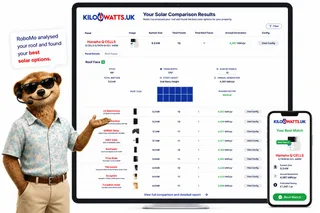
Simply enter your postcode, drop a pin on your roof, create your free account and let RoboMo™ analyse your property to find the best solar panels for your home.

You don't have to think
RoboMo™'s AI analyses your roof and does all the hard work.

Accurate & tailored
AI-powered assessment based on your roof, location, and conditions.

Best options, maximum savings
Compare top solar panels for the best performance and value.

Simple, fast & effortless
Provide a few details, sit back and watch your results unfold.
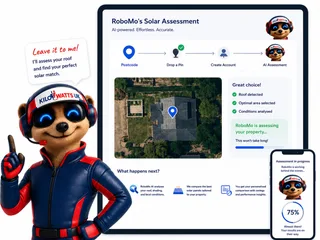
STEP 1
Choose Home, Business or Industrial
Enter your postcode to start your assessment.
STEP 2

Drop a pin on your roof
STEP 3

Create your free account
STEP 4

Sit back and watch RoboMo™ work
RoboMo™ analyses your roof and builds your personalised solar comparison.

Kilowatts UK is an authorised representative
Flower Turbines
Compact vertical-axis turbines built for real UK sites, not just open farmland.
They start in light wind, sit in a small footprint, and are bird-safe by design. Cluster them as a bouquet and the group performs better together than the same turbines standing alone. Enter your postcode for a location-based generation estimate. Figures use area weather data and will differ if buildings, trees or hills sit in the way.
Starts in light UK wind
Built to generate in typical UK wind, not only open farmland.
Small rooftop or ground footprint
Compact towers for roofs, yards and tight sites.
Bird-safe slow rotation
Slow vertical-axis spin, bird-safe by design.
Bouquet clusters raise output
Grouped turbines outperform the same units standing alone.
Step 1
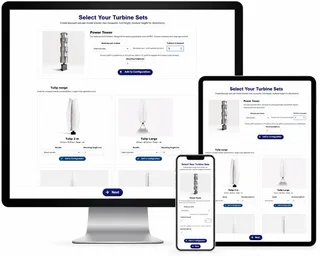
Enter your postcode
Start designing your wind energy system in seconds.
STEP 2

Choose a location
STEP 3
Place your cluster
Tap the map where you want the turbine cluster to go.
STEP 4

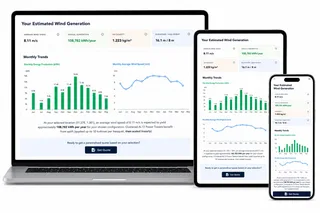
Instant generation forecasts
Compare different turbine layouts and see annual generation forecasts instantly.
STEP 5

No commitment required
Explore different configurations before deciding whether to request a quotation.
Related articles
Mo's Mission Nominations
FAQ
Need Help? RoboMo's Got Answers
Should I install rooftop solar or a home battery first?
For most UK homeowners, solar panels are usually the better first step because they generate electricity and tend to have a longer working life. A battery may come first if you cannot install solar, use a time-of-use tariff, or specifically want backup power. The best choice depends on your roof, daytime usage, tariff and budget.
Is a home battery worth it without solar panels?
It can be, but only in the right circumstances. A standalone battery works best if you can charge it on a cheaper off-peak tariff and use that electricity during more expensive periods. Check the tariff difference, battery capacity and expected usage before assuming the savings will stack up.
Can I have solar panels without a battery?
Yes, and many UK homes do. Solar panels can reduce daytime grid use straight away, especially if you work from home, charge an EV during the day, or run appliances while the sun is out. Any surplus may be exported to the grid if you have a suitable export arrangement.
Will a battery keep my home running during a power cut?
Not always. Some batteries can provide backup power, but only if the system is designed and installed with that function. Standard solar panels usually shut down during a grid outage for safety, so ask the installer exactly what will and will not work in a power cut.
What size home battery do I need?
Battery size depends on how much electricity you use, when you use it, and whether you have solar panels. Many homes look at usable capacity rather than the headline battery size, because that is the amount you can actually draw from. An installer should size the battery from your real consumption data, not just an average household estimate.
Do solar panels and batteries make a home fully off-grid?
Usually, no. A well-sized system can cut grid electricity use significantly, but UK winter solar generation can be low for long periods. Most homes still need the grid as a backup, especially if they use electric heating, an EV or a heat pump.
Do I need permission to install solar panels or a battery?
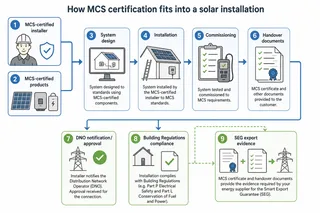
Many domestic solar installations are straightforward, but planning and grid requirements can vary by property and system design. Listed buildings, conservation areas, flats and unusual roofs may need extra checks. A competent installer should explain any planning, building control, DNO or export-related steps before work starts.
Is it cheaper to install solar panels and a battery together?
It can be more efficient to install both at the same time because scaffolding, electrical work and system design can be planned together. However, it also means a higher upfront cost. If the budget is tight, installing solar first and adding a compatible battery later can still be a sensible route.