


Is a Home Battery Worth It Without Solar? UK
Published: 2026-04-07 14:03:58
Updated: 2026-10-26 12:00:00
A battery without solar buys cheap overnight units for peak use. Payback depends on your tariff spread, not on generation.

Is a home battery worth it without solar in the UK?
A home battery can still work without solar, but the value depends heavily on how you use electricity and which tariff you are on. In simple terms, you are buying cheaper electricity at night and using it later when prices are higher. For some households this creates modest savings, while for others the financial return is limited. If you are exploring battery options, it is worth understanding how they compare to a full solar panel installation, as the economics change significantly when generation is included.
How a home battery works without solar
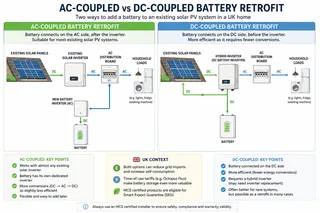
Without solar panels, a battery does not generate electricity. Instead, it stores energy from the grid and releases it later when needed. In practice, this means charging the battery overnight when electricity is cheaper and using that stored energy during the day or evening when prices are higher. This process is often referred to as energy arbitrage and relies on time-of-use tariffs such as those offered by smart energy tariffs and comparison tools. The system typically uses an AC-coupled setup, which allows a battery to be added to a home without solar panels. A smart meter is essential, as it enables half-hourly pricing and allows the system to respond to cheaper periods automatically.
Typical costs and savings in the UK
The upfront cost is one of the biggest considerations.
Small systems (5–7 kWh)
£3,000 to £5,000 installedMedium systems (8–10 kWh)
£4,000 to £7,000 installedLarger systems (10–15 kWh)
£6,000 to £9,000 installed

In the UK, most battery systems fall within a broad range depending on size, brand, and installation complexity. Annual savings are usually modest without solar. Most households save somewhere between £150 and £400 per year, depending on how effectively they shift their usage to cheaper periods. This leads to typical payback periods of around 10 to 15 years, which is similar to or slightly longer than the expected lifespan of the battery itself.
What affects whether it is worth it
The value of a home battery without solar is not fixed and varies significantly from one household to another.
Evening usage
Homes with high evening demand benefit more from stored energyTariff spread
The bigger the gap between cheap and expensive electricity, the higher the savingsSystem control
Good software and scheduling improve real-world performanceSmart meter access
Without one, most cost-saving opportunities are lost
The biggest factor is how well your electricity usage aligns with off-peak charging times. Homes with electric heating, heat pumps, or EV charging often see better results because they use more electricity overall. In contrast, households with low usage or flat-rate tariffs may see very little benefit. If you are unsure about your usage profile, browsing the UK electrician and installer directory can help you find professionals who can assess your setup.
Practical considerations before installing
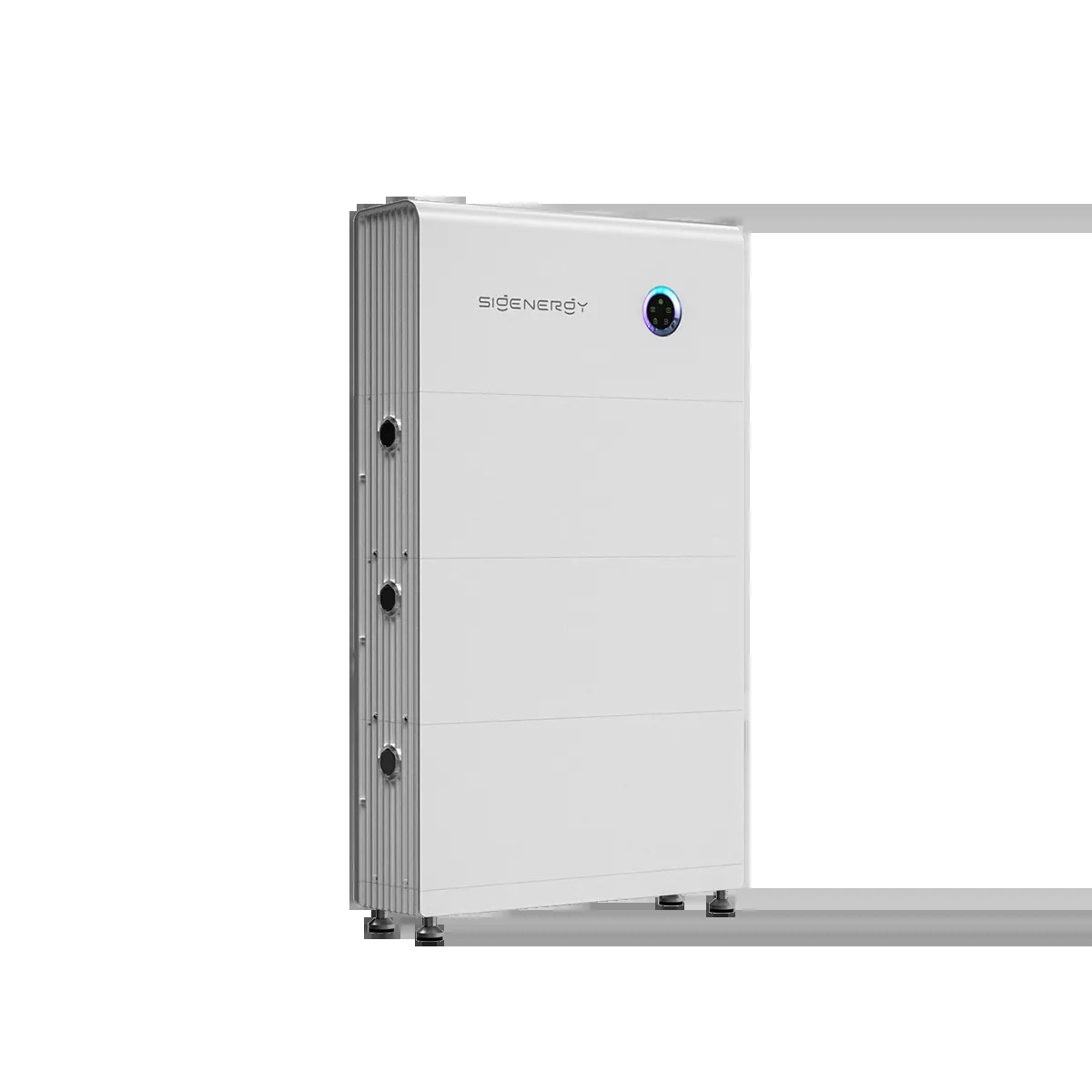
Beyond cost and savings, there are several technical and regulatory points to be aware of. Even a battery-only system must comply with UK grid rules, typically under G98 or G99, and your installer will need to notify the local network operator. Most systems use lithium-ion technology, often LiFePO4, which offers a good balance of safety and lifespan. You can expect around 10 to 15 years of use, with warranties usually covering at least 10 years or a guaranteed remaining capacity. The inverter also plays an important role. For example, a 3.6 kW inverter limits how much power can be supplied at once, which affects how many appliances can run simultaneously. If you are comparing options, it helps to review detailed product information such as battery specifications and performance data before making a decision.
When a home battery without solar makes sense
For some households, a battery-only setup can still be a sensible choice, even if the financial return is not strong.
This is usually driven by lifestyle or energy management preferences rather than pure savings. It can also suit early adopters who want more control over their energy use or are interested in future grid flexibility schemes.
When it is unlikely to be worth it
In other situations, the numbers simply do not add up.
If your usage is low or your tariff does not offer meaningful price differences, the battery will not generate enough savings to justify the cost. In these cases, it is often more effective to start with energy efficiency improvements or consider a combined system using solar panels with battery storage.
Ready to compare your options?
Get tailored comparisons and connect with local installers in under a minute.
Solar comparison
Compare solar for your property
Enter your postcode to assess your roof, compare solar options and get quotes from UK installers.
- Free postcode start
- Home, business and industrial
- RoboMo™ maps your roof
See which panels fit your roof
Choose home, business or industrial, then enter your postcode. RoboMo maps the roof and ranks panel brands by fit.
1. Postcode Start the assessment for your property.
2. Pin the roof Mark the array on the map.
3. Compare RoboMo™ builds your options.
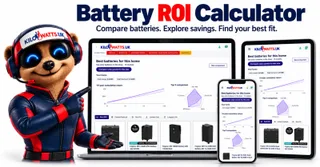
Battery ROI tool
See what a battery saves on your bill
Enter the day rate, off-peak rate and export rate. The calculator ranks batteries in the Kilowatts shop over 10 years. Home batteries also suit offices and small commercial sites.
Reading
Sources and further reading
Read article
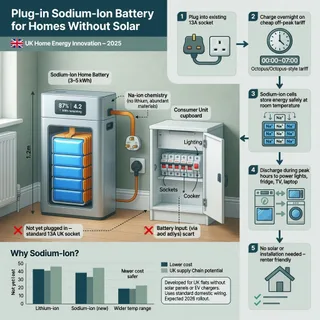
A plug-in sodium-ion battery for homes without solar is in development, not on sale. UK grid rules may still block a simple wall-socket connection.
Read article

Worth depends on your roof, daytime use and the export tariff you can get. This page sets out how to judge a 2026 UK install.
Read article

Understand home battery lifespan uk in the UK, with clear explanations, examples, and practical next steps.
Read article
Mo's Mission Nominations
Write for Kilowatts.uk
Got a trade and something worth saying?
Write it here under your own name. Sign in, put a profile up, and start a guide. Pay only if you want more links from your articles out to your own site.
Register
Create a Kilowatts.uk account, or sign in if you already have one.
Author profile
Put your name, photo and experience on a public author page.
Start creating
Write a guide or a blog. Free authors can put one followed link to their own site in articles each month.
FAQ
Need Help? RoboMo's Got Answers
Can a home battery work without solar panels?
Yes, a home battery can operate without solar by charging from the grid and storing electricity for later use.
How much can I save with a battery without solar in the UK?
Most households save between £150 and £400 per year, depending on tariff and usage patterns.
Do I need a smart meter for a battery-only system?
Yes, a smart meter is essential to access time-of-use tariffs and maximise savings.
How long does a home battery last?
Most systems last around 10 to 15 years, with warranties typically covering 10 years.
Is it better to get solar panels with a battery?
In most cases, yes, because solar generation significantly improves savings and reduces reliance on grid electricity.
Live help
Need help right now?
Talk to RoboMo™ and get instant answers.