


Garmin 955 Solar
Published: 2026-09-08 08:05:40
Updated: 2026-09-08 08:21:52
The Garmin 955 Solar is worth the extra cost only if you spend many hours training in bright, direct sunlight.

Is the Garmin 955 Solar worth the extra cost?
See how the Garmin 955 Solar compares with the non-Solar on battery life, screen clarity, and real-world UK use before you spend the extra money.
Overview
The Garmin 955 Solar is worth the extra cost only if you spend many hours training in bright, direct sunlight. Both watches share identical core features, so the £100+ price difference comes down to a trade-off between extended battery life and screen clarity. For most UK runners, the non-Solar version offers the better balance of a brighter display and lower price.

What are the exact battery life differences between the 955 and 955 Solar?
The official Garmin specifications show a clear gap. The non-Solar Forerunner 955 is rated for 15 days in smartwatch mode and 42 hours with GPS on, according to Versus. The Solar version extends that to 20 days in smartwatch mode and 49 hours with GPS on.
These figures assume ideal 50,000-lux conditions for solar charging. That level of brightness is rarely met in UK weather, especially outside summer. The solar gain is incremental, not transformative, for most daily users. The same principle applies to rooftop PV, where real output depends on sunlight, orientation and system design, so it helps to understand how solar works in UK conditions.
Real-world results tell a different story. One Reddit user reported the non-Solar 955 lasts roughly 8 days with multi-band GPS enabled and all systems on, regardless of the solar version, according to Reddit. The solar panel adds minutes here and there, not days of endurance.
Is the solar version's screen noticeably worse than the non-Solar?
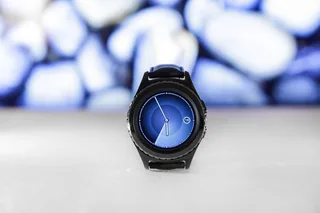
Yes, the solar version's screen is noticeably more reflective and slightly dimmer than the non-Solar. A user who owned both watches chose the non-Solar version because "the screen is better," according to Garmin Forums.
The solar screen shows a slight rainbow chroma reflex and has tiny red dots between pixels. These visual artefacts come from the solar charging layer built into the display. At the same backlight level of 20%, the non-Solar screen is slightly brighter than the solar version, according to Garmin Forums.
The solar panel layer absorbs some sunlight, which dims the display slightly. In direct sunlight both watches are readable, but the non-Solar has less glare in bright conditions. A Facebook group discussion confirmed the non-Solar has a slightly brighter screen because the solar version's panel absorbs some sunlight, according to Facebook. For larger solar systems, that kind of trade-off sits within wider solar panel efficiency considerations.
Does the solar charging actually help for UK runners and overcast conditions?
No, solar charging provides minimal benefit for UK runners who train under frequent cloud cover. Solar charging requires high lux levels, meaning bright and direct sunlight, to make a meaningful difference. The UK's often overcast skies reduce the practical benefit of the solar panel significantly.
A 2 to 3 hour morning run after sunrise will add only minutes of battery, not days. The solar gain is incremental and depends heavily on consistent sun exposure during the activity. Indoor runners or those who train in low light will see almost no benefit from the solar version, according to DC Rainmaker.
The official battery figures assume 50,000-lux conditions, which are rare in the UK outside peak summer. For most British runners, the solar panel is a nice-to-have rather than a practical battery solution. The real-world difference reported by users is far smaller than the spec sheet suggests, according to Reddit. If you are comparing this with home PV, solar panels in winter can still generate, but output changes with daylight and weather.
What else is different between the two versions besides the solar panel?
Nothing else is different. The only physical difference between the Forerunner 955 and 955 Solar is the solar charging layer. All features, sensors, and software are otherwise identical across both versions, according to DC Rainmaker.
Both watches share the same upgrades over the older Forerunner 945. These include a touchscreen, multi-band GPS, native running power, HRV status tracking, Training Readiness, and Morning Report. Both models also have the same 1.3-inch screen size and resolution, according to YouTube.
The £100 price gap is purely for the solar functionality, not extra features. Garmin launched the non-Solar at 9 and the Solar at 9, with the only difference being the solar bits, according to DC Rainmaker. UK buyers pay for the solar layer alone.
Are there any known reliability issues with the 955 Solar that the non-Solar avoids?
Yes, the 955 Solar has attracted specific reliability complaints that the non-Solar largely avoids. A Forerunner 955 Solar user reported broken sensors and metrics, including a Sensor Hub 0.01 error, after updating to software version 28.05, according to Garmin Forums.
Garmin has since removed the 955 Solar from its inventory. The company offered affected users a discount on the newer Forerunner 965 as a replacement. Software version 29.05 is available as a manual download to address some bugs, but the Solar-specific sensor failures remain a concern.
The non-Solar has also had battery drain reports after software updates, but the bricking and sensor issues appear more closely tied to the Solar model. One user reported the watch vibrating continuously until powered off, which is not an alarm or notification, according to Garmin Forums.
Should you buy the 955 Solar or the non-Solar in 2026?
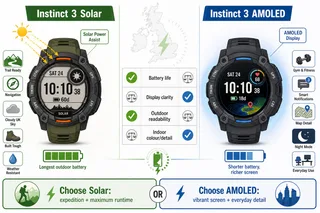
Choose the non-Solar if you want the clearest screen and want to save money. Choose the Solar only if you spend many hours training in direct sunlight and are willing to accept the dimmer, more reflective display. For most UK users, the non-Solar is the better buy.
The 955 Solar is no longer sold directly by Garmin. Availability is now limited to third-party sellers, which may affect pricing and warranty support. The Solar launched at 9 versus 9 for the non-Solar, a difference UK buyers should weigh against the modest real-world battery gain, according to DC Rainmaker.
Given the UK's cloudy climate and the screen trade-off, the non-Solar offers better value. The battery difference in real-world use is small, while the screen clarity difference is noticeable. The non-Solar also avoids the specific reliability concerns reported on the Solar model. If your interest in solar goes beyond watches, you can compare home solar options before looking at quotes or installers.
How does the 955 compare with newer Garmin options if you want solar?
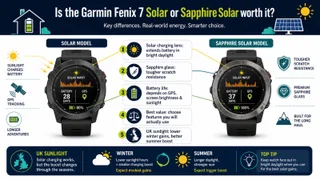
Garmin has moved on to the Forerunner 965, which replaces the 955 line without a solar option. If you want solar charging in a similar Garmin watch, you would need to look at the Fenix 7 series instead. The 955 Solar is discontinued, so tracking one down may not be worth the effort.
Kilowatts.uk can help you compare solar-powered devices and other energy-efficient tech, though the platform focuses on home renewable energy rather than wearables. The comparison mindset applies equally: solar gain depends on real-world light conditions, not just spec sheets. For property-level advice, you can book a free home energy survey and assess whether solar suits your roof, usage and goals.
If battery life is your priority, a newer watch or a different Garmin series may serve you better than a discontinued 955 Solar. The Forerunner 965 offers improved battery performance without the solar panel, according to Garmin Forums.
Key Takeaways
The following points summarise the key takeaways:
- The 955 Solar costs £100 more than the non-Solar but only differs by the solar charging layer.
- Official specs claim 20 days smartwatch battery for the Solar versus 15 days for the non-Solar, but real-world results are closer.
- The solar screen is more reflective and slightly dimmer than the non-Solar at the same backlight level.
- UK cloud cover significantly reduces the practical benefit of solar charging for most runners.
- Both watches share identical features, including touchscreen, multi-band GPS, and native running power.
- Garmin has discontinued the 955 Solar and now offers the 965 as the successor without a solar option.
- Software bugs, including battery drain and sensor failures, have been reported on the 955 Solar after recent updates.
References
The following points summarise the key takeaways:
Plan, Compare & Buy Renewable Energy Solutions
AI does the thinking.
You get the perfect solar match.
Use RoboMo™ to assess your property, compare available technologies and connect with trusted UK installers, suppliers and manufacturers.
Simply enter your postcode, drop a pin on your roof, create your free account and let RoboMo™ analyse your property to find the best solar panels for your home.
You don't have to think
RoboMo™'s AI analyses your roof and does all the hard work.

Accurate & tailored
AI-powered assessment based on your roof, location, and conditions.

Best options, maximum savings
Compare top solar panels for the best performance and value.
Simple, fast & effortless
Provide a few details, sit back and watch your results unfold.
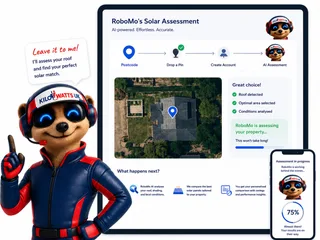
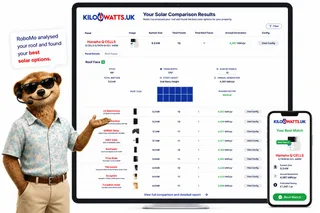
STEP 1
Choose Home, Business or Industrial
Enter your postcode to start your assessment.
STEP 2
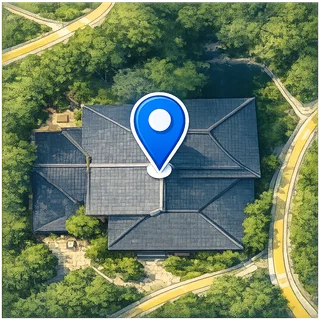
Drop a pin on your roof
STEP 3

Create your free account
STEP 4
Sit back and watch RoboMo™ work
RoboMo™ analyses your roof and builds your personalised solar comparison.
Step 1
Enter your postcode
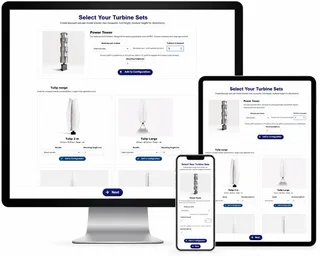
Start designing your wind energy system in seconds.
Are you an installer, distributor or renewable energy business?
Kilowatts UK is expanding the Flower Turbines partner network across the UK.
Become A Flower Turbines PartnerKilowatts UK is an authorised representative
Flower Turbines
Compact vertical-axis turbines built for real UK sites, not just open farmland.
They start in light wind, sit in a small footprint, and are bird-safe by design. Cluster them as a bouquet and the group performs better together than the same turbines standing alone. Enter your postcode for a location-based generation estimate. Figures use area weather data and will differ if buildings, trees or hills sit in the way.
Starts in light UK wind
Built to generate in typical UK wind, not only open farmland.
Small rooftop or ground footprint
Compact towers for roofs, yards and tight sites.
Bird-safe slow rotation
Slow vertical-axis spin, bird-safe by design.
Bouquet clusters raise output
Grouped turbines outperform the same units standing alone.
STEP 2

Choose a location
STEP 3
Place your cluster
Tap the map where you want the turbine cluster to go.
STEP 4

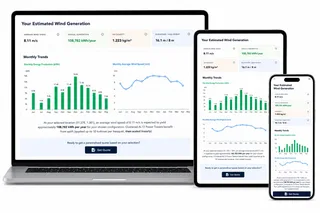
Instant generation forecasts
Compare different turbine layouts and see annual generation forecasts instantly.
STEP 5
No commitment required
Explore different configurations before deciding whether to request a quotation.
Related articles
FAQ
Need Help? RoboMo's Got Answers
Is the Garmin Forerunner 955 Solar worth paying extra for in the UK?
For most UK runners, the non-Solar Garmin Forerunner 955 is likely the better value. The Solar model only adds solar charging, while the core features, sensors and software are the same. Unless you train for long periods in strong direct sunlight, the real-world battery gain is usually modest.
How much extra battery does the 955 Solar actually give?
Garmin’s quoted figures show the Solar version lasting longer in ideal bright conditions. In everyday UK use, especially with cloud, winter daylight and mixed indoor training, the gain is usually much smaller. Think of solar as a top-up rather than a replacement for charging.
Does the 955 Solar charge well in cloudy UK weather?
It can still receive some light, but the benefit is limited when conditions are overcast or the watch is covered by sleeves. Solar charging works best in bright, direct sunlight for sustained periods. UK runners who train early, late, indoors or in winter may see little practical benefit.
Is the screen worse on the Garmin 955 Solar?
Many users find the Solar screen slightly dimmer or more reflective than the non-Solar version. This is because the solar charging layer sits within the display area. Both screens are usable, but the non-Solar model may look clearer if display quality matters to you.
Do the 955 and 955 Solar have different fitness features?
No, the main difference is the solar charging layer. Both models offer the same key features, including multi-band GPS, touchscreen controls, training metrics, HRV status and running power support. You are not paying extra for additional sports modes or sensors.
Should ultrarunners or hikers choose the 955 Solar?
The Solar version may make more sense if you spend long days outdoors in bright conditions and want every possible battery top-up. Even then, the improvement depends heavily on sunlight exposure, settings and GPS mode. For serious multi-day use, it is also worth comparing other Garmin models with larger batteries.
Is the Garmin 955 Solar still easy to buy new?
Availability can vary because the Forerunner 955 range has been succeeded by newer Garmin models. UK buyers may find remaining stock, refurbished units or third-party listings rather than direct availability from Garmin. Check warranty terms, seller reputation and return rights before buying.
Which should I buy: Garmin 955 Solar, 955 non-Solar or a newer Garmin?
Choose the 955 non-Solar if you want strong features, a clearer screen and better value. Choose the 955 Solar only if you specifically want solar top-ups and accept the display trade-off. If battery life, screen quality or long-term support are priorities, compare it with newer Garmin options before deciding.