


Heat Pump Installation: An Introduction
Published: 2025-05-05 19:00:00
Updated: 2026-10-06 03:56:04
Heat pump installation replaces conventional boilers by extracting heat from air or ground, delivering efficient heating and cooling with lower carbon emissions.
Heat Pump Installation: An Introduction
Heat pump installation involves the careful design and fitting of renewable heating systems that transfer heat from external sources, air, ground or water, into buildings. Unlike conventional boilers that burn fossil fuels, heat pumps operate via a refrigeration cycle, extracting ambient heat and distributing it through radiators, underfloor circuits or warm-air units. Air-source heat pumps (ASHP) draw warmth from the outdoor air even at low temperatures, while ground-source heat pumps (GSHP) harness thermal energy stored underground via buried loop arrays. Professional installation requires precise heat-loss calculations, strategic siting of outdoor units and expert integration with existing heating controls to ensure optimal efficiency, reliability and comfort year-round.
Why Heat Pumps Matter
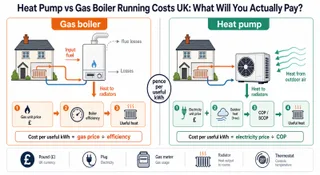
With the UK targeting the phase-out of gas boilers by 2035 and committing to net-zero carbon emissions, heat pumps have emerged as a cornerstone technology for low-carbon heating. Delivering a Coefficient of Performance (COP) of 3, 4, modern heat pumps yield three to four units of heat energy for every unit of electricity consumed, driving down household energy bills and exposure to volatile gas prices. Coupled with smart controls, they can exploit off-peak tariffs and adapt output to real-time demand Smart Energy Management. According to the Energy Saving Trust, heat pumps can cut home heating carbon emissions by up to 50% compared to traditional boilers. For insights on pairing heat pumps with solar PV, see our Solar Panel Installation guide.
Key Benefits of Heat Pumps
Heat pumps offer a range of advantages over fossil-fuel systems: high energy efficiency leading to lower running costs; eligibility for up to £7,500 under the Boiler Upgrade Scheme grant; quiet operation, often below 45 dB(A); and minimal maintenance, typically limited to annual servicing and filter cleaning. With fewer moving parts, they boast long service lives exceeding 15 years. When paired with renewable electricity sources, such as rooftop solar and Home Battery Storage Systems, heat pumps can further maximise self-consumption and reduce grid reliance, enhancing energy resilience and sustainability.
The Heat Pump Installation Process
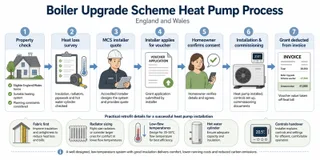
A professional installation follows a structured workflow: 1) Site survey and heat-loss calculation to determine the correct pump size and configuration; 2) For GSHP, drilling boreholes or laying horizontal ground loops; for ASHP, selecting unobstructed outdoor locations on walls or pads; 3) Installation of indoor units, such as hot-water cylinders or fan-coil modules; 4) Connection of refrigerant circuits and electrical integration with the building’s control panel; 5) Commissioning, including pressure and performance testing, thermostat calibration and system optimisation; 6) User handover with detailed instruction on controls and maintenance requirements.
Costs and Financing Options
Installation costs vary by technology and scale: air-source systems typically range from £8,000 to £12,000, while ground-source installations can exceed £20,000 due to groundworks. Financing solutions include green energy loans, eco-mortgages and energy performance agreements. Some providers offer power purchase agreements (PPAs) for solar-plus-heat-pump packages, removing capital expenditure and charging customers only for energy used. By requesting multiple quotes, homeowners can compare finance options, projected energy savings and payback periods, often reaching break-even within 8, 12 years under current energy tariffs.
Government Support for Heat Pumps
Homeowners replacing fossil-fuel boilers are eligible for the UK government’s Boiler Upgrade Scheme, which provides interest-free loans of up to £7,500 for approved heat pump installations. Detailed eligibility criteria and application steps are available on the official guidance Boiler Upgrade Scheme.
Choosing a Heat Pump Installer
Selecting a qualified installer is essential for maximising system performance and honouring warranties. Look for MCS accreditation and additional certifications such as NICEIC for electrical work or RECC for renewable energy sales. Review customer testimonials and case studies of similar projects, and request detailed proposals outlining equipment brands, expected Seasonal Performance Factor (SPF) and aftercare packages. Transparent service agreements should cover parts, labour and extended maintenance plans. You can also browse our directory of accredited installers to find qualified professionals in your area.
Future Trends in Heat Pump Technology
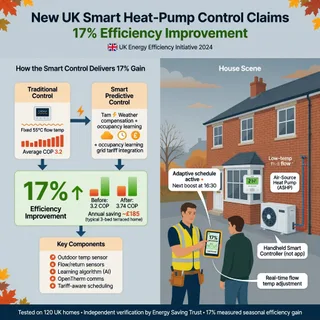
Innovation in heat pump technology is accelerating: hybrid systems switch between gas and electric modes to optimise cost and carbon; variable-speed inverter compressors precisely match heat output to demand, boosting efficiency; integration with building energy management systems (BEMS) enables predictive control using weather and occupancy data; and research into hydrogen-ready pumps points to future decarbonisation pathways for heating networks.
Ready to Get Started?
Ready to upgrade your heating with a low-carbon heat pump? Request your tailored quote today: Residential Heat Pump Quote, Commercial Heat Pump Quote, or Industrial Heat Pump Quote.
Plan, Compare & Buy Renewable Energy Solutions
AI does the thinking.
You get the perfect solar match.
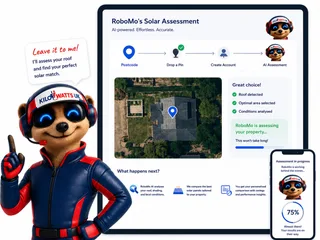
Use RoboMo™ to assess your property, compare available technologies and connect with trusted UK installers, suppliers and manufacturers.
Simply enter your postcode, drop a pin on your roof, create your free account and let RoboMo™ analyse your property to find the best solar panels for your home.

You don't have to think
RoboMo™'s AI analyses your roof and does all the hard work.

Accurate & tailored
AI-powered assessment based on your roof, location, and conditions.

Best options, maximum savings
Compare top solar panels for the best performance and value.

Simple, fast & effortless
Provide a few details, sit back and watch your results unfold.

STEP 1
Choose Home, Business or Industrial
Enter your postcode to start your assessment.
STEP 2

Drop a pin on your roof
STEP 3

Create your free account
STEP 4

Sit back and watch RoboMo™ work
RoboMo™ analyses your roof and builds your personalised solar comparison.

BATTERY ROI TOOL
See what a battery saves on your bill
Enter the day rate, off-peak rate and export rate. The calculator ranks batteries in the Kilowatts shop over 10 years.
Home batteries also suit offices and small commercial sites. Industrial batteries are listed on their own calculator.

Step 1
Enter your postcode
Start designing your wind energy system in seconds.
Are you an installer, distributor or renewable energy business?
Kilowatts UK is expanding the Flower Turbines partner network across the UK.
Become A Flower Turbines PartnerKilowatts UK is an authorised representative
Flower Turbines
Compact vertical-axis turbines built for real UK sites, not just open farmland.
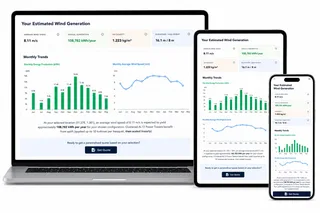
They start in light wind, sit in a small footprint, and are bird-safe by design. Cluster them as a bouquet and the group performs better together than the same turbines standing alone. Enter your postcode for a location-based generation estimate. Figures use area weather data and will differ if buildings, trees or hills sit in the way.
Starts in light UK wind
Built to generate in typical UK wind, not only open farmland.
Small rooftop or ground footprint
Compact towers for roofs, yards and tight sites.
Bird-safe slow rotation
Slow vertical-axis spin, bird-safe by design.
Bouquet clusters raise output
Grouped turbines outperform the same units standing alone.

STEP 2

Choose a location
STEP 3

Place your cluster
Tap the map where you want the turbine cluster to go.
STEP 4

Instant generation forecasts
Compare different turbine layouts and see annual generation forecasts instantly.
STEP 5

No commitment required
Explore different configurations before deciding whether to request a quotation.
Related articles

Mo's Mission Nominations
FAQ
Need Help? RoboMo's Got Answers
What is a heat pump and how does it work?
A heat pump is a renewable heating system that extracts ambient heat from the air, ground, or water and transfers it into your home. It uses a refrigeration cycle to generate heat efficiently, even at low outdoor temperatures.
What’s the difference between air-source and ground-source heat pumps?
Air-source heat pumps absorb heat from the outdoor air, while ground-source systems extract heat from underground using buried loop arrays. Ground-source systems are more efficient but require more space and have higher installation costs.
Are heat pumps suitable for UK homes?
Yes, modern heat pumps are designed to operate effectively in UK climates, providing reliable heating even in winter. Proper sizing and installation are key to ensuring efficiency and comfort.
How much does it cost to install a heat pump?
Air-source heat pumps typically cost between £8,000 and £12,000, while ground-source systems can exceed £20,000 due to the required groundworks. Costs vary based on property size, system type, and site conditions.
Is there any government funding for heat pump installation?
Yes, the Boiler Upgrade Scheme offers up to £7,500 in grants for eligible UK homeowners replacing fossil fuel boilers with a heat pump. This helps reduce upfront costs significantly.
How efficient are heat pumps compared to gas boilers?
Heat pumps have a Coefficient of Performance (COP) of 3 to 4, meaning they produce 3–4 units of heat for every unit of electricity used—making them much more efficient than traditional boilers.
Can I use a heat pump with solar panels or battery storage?
Yes, heat pumps integrate well with solar PV and home battery storage, allowing you to use renewable electricity to power your heating and increase energy self-sufficiency.
What maintenance does a heat pump require?
Heat pumps need minimal maintenance—usually just an annual service, filter cleaning, and occasional performance checks to ensure optimal operation and long-term reliability.
Do I need planning permission to install a heat pump?
Most domestic heat pump installations in the UK fall under permitted development. However, ground-source systems or installations in conservation areas may require planning approval—always check with your local authority.
How do I find a qualified heat pump installer?
Look for installers certified by the Microgeneration Certification Scheme (MCS) and members of consumer protection schemes like RECC. You can also use the Kilowatts.uk directory to find accredited professionals near you.