


Paper Mill Runs Industrial CHP on 100% Hydrogen: What HyCoFlex Proved
Published: 2026-11-23 16:52:09
Updated: 2026-11-23 08:52:52
See how HyCoFlex generated power and process steam at full load on 100% renewable hydrogen, and what UK factories should check before a CHP retrofit.
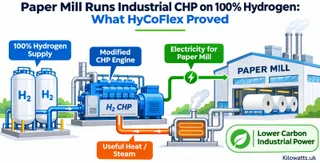
HyCoFlex trial demonstrates 100% hydrogen CHP at a paper mill
The HyCoFlex trial showed that a paper mill can generate electricity and process steam together at full load using 100% renewable hydrogen as the turbine fuel. Project coordinator Siemens Energy announced the results on 16 November 2026. The trial used an upgraded Siemens Energy SGT-400 gas turbine and a heat recovery steam generator at Smurfit Westrock’s mill in Saillat-sur-Vienne, France.
For a UK factory, the case for a similar conversion depends on the cost and reliability of delivered hydrogen and how much steam the factory can use while the turbine runs.
How hydrogen CHP makes electricity and process steam
Combined heat and power (CHP), also called cogeneration, produces electricity and useful heat from the same fuel. At Saillat-sur-Vienne, the hydrogen-fired turbine drives an electrical generator. Its exhaust passes through a heat recovery steam generator, which raises steam for the mill. The 100% figure refers to the turbine fuel during the trial. The renewable designation refers to how the hydrogen was produced.
The earlier HYFLEXPOWER consortium’s final report, published through the European Commission’s CORDIS service under project 884229, describes how the site produced and stored hydrogen, then used it to generate electricity, including during operation on pure hydrogen. HyCoFlex extended the demonstration to full-load operation of the turbine and steam generator together.
Siemens Energy also reported that the turbine ran an operating cycle on hydrogen alone, from ignition and grid synchronisation through load reduction and controlled shutdown. These steps matter at factories where the plant must respond to changes in production and restart after outages. A related guide covers hydrogen hybrid engines for industrial applications.
How much electricity and heat could the mill’s CHP plant supply?
Siemens Energy lists the plant’s capacity as up to 12 MW of electrical output and 20 MW of thermal output. The public HyCoFlex technical reporting on CORDIS, under project 101138002, describes the design and development work. The November announcement confirms full-load cogeneration and says the campaign collected emissions and performance data. The public material reviewed gives no measured net electrical efficiency, useful-heat efficiency or duration for the full-load run. Buyers would need those figures to assess fuel consumption and sustained output under comparable conditions.
MW measures the rate at which the plant delivers electricity or heat. MWh measures the energy it delivers over time. To estimate annual output and savings, count the electricity the site can use or export and the steam it can use at the required pressure. If a production line shuts down at weekends while the turbine keeps generating electricity, some recoverable heat may go unused. That reduces the value the factory gets from each unit of fuel.
Where hydrogen CHP could fit in UK industry
The closest UK fit is a factory that needs process steam and electricity at the same time for sustained periods, has a turbine it can convert and can secure a supply of low-carbon hydrogen. Compare electricity meter readings with steam flow and pressure records for the same periods, including quiet shifts, seasonal changes and planned shutdowns. Check each steam header separately. Annual totals can hide hours when the turbine would produce surplus steam or a backup boiler would need to cover a peak.
Overview
Use the same production schedule to compare all three options. Include any grid electricity or backup steam the factory would still need. At smaller sites, establish the required heat temperature and operating hours before assessing equipment.
What determines retrofit costs and emissions?
Start with a quote for delivered hydrogen and a retrofit proposal for the specific turbine. Confirm the contracted volumes, delivery pressure and arrangements for supply interruptions. Allow for fuel handling, burner and control changes, steam integration, installation downtime, maintenance and backup steam. Compare annual costs for meeting the same steam and electricity demand, including changes in electricity import costs and any export income. The French trial gives no benchmark for UK installation costs or payback. If reducing daytime electricity imports is also a priority, compare industrial solar proposals using the same demand records and account separately for how the site would supply steam.
Burning pure hydrogen releases no carbon dioxide from the fuel. High combustion temperatures can still form nitrogen oxides (NOx). Siemens Energy described trial NOx emissions as low. Its announcement gave no measured concentrations. Ask the supplier for emissions data at the loads and fuel compositions you expect to use. Ask how the figures were measured so the relevant environmental regulator can advise on applicable limits and monitoring. The Environment Agency publishes guidance on hydrogen combustion emissions.
For greenhouse gas accounting, request evidence of how the hydrogen was made and its emissions intensity. The UK Low Carbon Hydrogen Standard measures production emissions up to the production facility gate. When comparing delivered fuels with electrification, include any relevant emissions from transport and storage after that point. For an example of a production route, see the guide to hydrogen from seawater electrolysis.
What to specify before committing to a conversion
Ask the turbine manufacturer which fuel compositions and loads it will warrant during ignition, part-load operation, full load and shutdown. If the turbine was sold as hydrogen-ready, check which components and controls still need changing and whether service intervals will change. Specify the steam pressure and flow the supplier must deliver at representative loads. Cover hydrogen handling in the site’s dangerous substances risk assessment, including ventilation, leak detection and emergency isolation. The HSE publishes guidance on dangerous substances and explosive atmospheres.
If the generator will run in parallel with the public distribution network, ask the local distribution network operator how G99 applies to the proposed installation or modification in Great Britain. Check what connection or export conditions may apply. The Energy Networks Association publishes connection guidance. If the business case relies on Combined Heat and Power Quality Assurance certification, check the criteria in the CHPQA standard separately.
Set commissioning acceptance criteria for steam delivery, electrical output, fuel use and emissions at the loads the site expects to run. Specify who can control the plant remotely, which protective functions operate locally and how the plant should respond if it loses communications. If operators will also use a site-wide energy management system, specify which CHP readings and alarms it should display. Before committing, use the same operating schedule to compare the supplier’s proposal with the existing plant and feasible electrification options.
Solar comparison
Compare solar for your property
Enter your postcode to assess your roof, compare solar options and get quotes from UK installers.
- Free postcode start
- Home, business and industrial
- RoboMo™ maps your roof
See which panels fit your roof
Choose home, business or industrial, then enter your postcode. RoboMo maps the roof and ranks panel brands by fit.
1. Postcode Start the assessment for your property.
2. Pin the roof Mark the array on the map.
3. Compare RoboMo™ builds your options.

Battery ROI tool
See what a battery saves on your bill
Enter the day rate, off-peak rate and export rate. The calculator ranks batteries in the Kilowatts shop over 10 years. Home batteries also suit offices and small commercial sites.
Reading
Sources and further reading
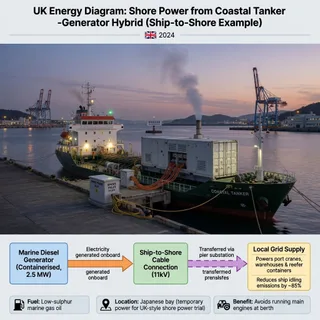
Japan's Kikomaru tanker completed a short hydrogen-engine voyage, but HVO pilot fuel means it was not hydrogen-only. What UK ports should note.
Read article
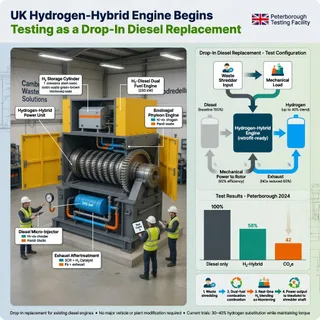
Perkins is fitting a hydrogen-hybrid unit to a UK shredder as a diesel stand-in. It is a trial: tanks, refuelling and results are unpublished.
Read article
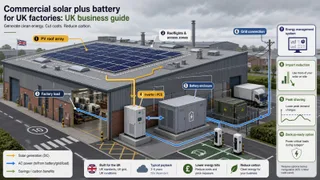
See when commercial solar plus a battery fits a UK factory: shift timing, export caps and connection headroom. A standard battery is not backup power.
Read article
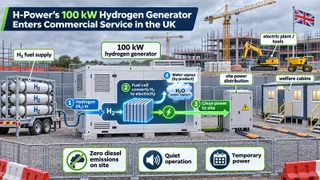
H-Power's 100 kW LC100dc hydrogen generator starts paid work on a UK construction site. Compare usable output and fuel needs with diesel and grid power.
Read article


Mo's Solar Mission
Mo's Mission Nominations
Garlinge Primary School and Nursery
Garlinge Primary School and Nursery is a foundation primary school on Westfield Road in Margate, Kent, for children aged 3 to 11. It is m...
St Luke's Church of England Primary SchoolSt Luke's Church of England Primary School is a voluntary controlled Church of England primary school on Jubilee Road in Formby, Merseysi...
Comberbach Nursery and Primary SchoolComberbach Nursery and Primary School is a primary academy on Mather Drive in the village of Comberbach, near Northwich in Cheshire, for...
Locations
Solar installation near you
Write for Kilowatts.uk
Got a trade and something worth saying?
Write it here under your own name. Sign in, put a profile up, and start a guide. Pay only if you want more links from your articles out to your own site.
Register
Create a Kilowatts.uk account, or sign in if you already have one.
Author profile
Put your name, photo and experience on a public author page.
Start creating
Write a guide or a blog. Free authors can put one followed link to their own site in articles each month.
FAQ
Need Help? RoboMo's Got Answers
What did the HyCoFlex paper mill trial prove?
The trial showed that an upgraded gas turbine could generate electricity and provide heat for process steam at full load using 100% renewable hydrogen as its fuel. Siemens Energy also reported that the turbine ran on hydrogen alone from ignition and grid synchronisation through load reduction and controlled shutdown. The published results did not specify how long the plant ran at full load.
How much electricity and steam could the hydrogen CHP plant supply?
Siemens Energy lists capacities of up to 12 MW of electrical output and 20 MW of thermal output. Those figures describe output rates. To estimate how much steam a site could use over a year, buyers need the supplier's steam flow and pressure figures at the loads they expect to run.
Does the HyCoFlex trial mean I can run my home boiler on 100% hydrogen?
The trial used an upgraded industrial turbine at a paper mill and did not test household boilers. If you are comparing boilers, check which fuels the manufacturer specifies for the exact model. A hydrogen-ready label alone does not establish whether a boiler can run on pure hydrogen or what conversion it would require.
When could hydrogen CHP make sense for a UK factory?
It is most worth assessing where a factory needs electricity and process steam at the same time for sustained periods, has a suitable turbine and can secure a dependable hydrogen supply. Compare electricity demand and steam flow at the required pressure over the same shifts, including quieter periods. Use that same operating schedule to assess an electric boiler or an industrial heat pump where feasible.
What determines the cost and payback of a hydrogen CHP retrofit?
Start with a delivered hydrogen quote and a retrofit proposal for the specific turbine. Include fuel handling, installation downtime, maintenance and backup steam, then estimate the value of the electricity and steam the site can use. The French trial gives no benchmark for UK retrofit costs or payback.
Does burning pure hydrogen eliminate emissions from CHP?
Burning pure hydrogen releases no carbon dioxide from the fuel itself, but combustion can still produce nitrogen oxides (NOx). Siemens Energy described trial NOx emissions as low and did not publish measured concentrations in its announcement. The overall greenhouse gas impact also depends on how the hydrogen is made, transported and stored.
What should buyers check before committing to a hydrogen CHP conversion?
Ask the manufacturer to specify the fuel compositions, operating loads and steam output it will warrant. Agree how commissioning will verify electrical output, steam delivery, fuel use and emissions at representative loads. Check how the design addresses leak detection, ventilation and emergency isolation. If the generator will run in parallel with the public network, ask the local distribution network operator about connection and export conditions.
Live help
Need help right now?
Talk to RoboMo™ and get instant answers.