


EV Charger Installation Paperwork: Safety Standards
Published: 2026-08-09 14:15:35
Updated: 2026-08-13 11:05:27
EV charger installation paperwork should prove that the charge point was designed, installed, inspected, tested.
What paperwork should a home EV charger installer provide?
EV charger installation paperwork should prove that the charge point was designed, installed, inspected, tested, notified where required and handed over safely. For a UK home installation, you should expect an electrical certificate, Building Regulations evidence where applicable, DNO notification or approval evidence, commissioning details, warranty information, user instructions and a record of any load management or smart charging settings.
The exact pack depends on the property, supply arrangement, consumer unit, charger model, earthing system and whether the work is a new circuit or an alteration to an existing one. A competent installer should be able to explain the paperwork before work starts, not only after you ask for it. If you are still at the planning stage, it helps to understand what is involved in a home EV charger installation before you compare installers.
A practical handover pack usually includes these documents.
DNO record
This shows that the local electricity network operator has been notified or has given approval where required.Installer details
This identifies who carried out the work and who is responsible for certification, commissioning and aftercare.Electrical certificate
This records the circuit details, inspection results, test results and installer declaration for the electrical work.Manufacturer documents
This includes user instructions, warranty information, support details and safe isolation guidance.Commissioning information
This records charger setup, operational checks, smart charging settings, app configuration and any load management limits.Building Regulations evidence
This confirms that notifiable domestic electrical work has been dealt with through the relevant route where local rules require it.
The key UK rules and guidance behind the documents
The paperwork is evidence that the installer has considered electric shock protection, overload protection, earthing, cable sizing, outdoor conditions, fault protection, sustained charging load and the effect of the charger on the home’s electrical supply.
For UK electrical design, EV charging work is normally assessed against BS 7671, commonly known as the IET Wiring Regulations. The EV charging requirements sit in Section 722, which covers additional requirements for electric vehicle charging installations. Installers also commonly refer to the IET Code of Practice for Electric Vehicle Charging Equipment Installation, which gives practical guidance on surveying, design, installation, inspection, testing and handover.
The installer should also consider other applicable rules and processes, including Building Regulations electrical notification where relevant, the Energy Networks Association EV and heat pump notification or application process used by DNOs, and the UK Electric Vehicles Smart Charge Points Regulations for many domestic charge points sold for private use.
BS 7671 Section 722
This is the main wiring regulation framework for EV charging installations and influences earthing, shock protection, RCD protection and charge point design.ENA EV and heat pump process
This is the route installers use to notify or apply to the DNO for EV chargers and heat pumps, depending on the installation details.Smart charge point regulations
These affect the setup and handover of many UK home chargers, including smart functionality and default charging behaviour.IET EV charging code of practice
This gives practical installation guidance that helps turn the wiring rules into real survey, design and handover decisions.Building Regulations electrical notification
This deals with domestic electrical work notification where the regional rules require it.
Electrical certificates you should receive after installation
For a typical home charger on a new dedicated circuit, the key document is usually an Electrical Installation Certificate. This is more than a receipt because it records the design, construction, inspection and testing of the installed circuit.
For smaller alterations, a Minor Electrical Installation Works Certificate may sometimes be appropriate, but many domestic EV charger installations involve a new circuit and therefore need the fuller certificate. The certificate should not be a vague statement that the charger works. It should include circuit information, protective devices, inspection schedules, test results and the person or business responsible for the work.
Check that the certificate describes your actual installation. The address, charger location, circuit rating, cable route description, protective device, RCD arrangement and test results should not feel like generic copy that could apply to any property.
Building Regulations evidence across the UK
Building Regulations paperwork is often where homeowners receive unclear answers because the rules and notification routes differ across the UK. England and Wales have Part P requirements for certain domestic electrical work, including many new circuits in dwellings. In practice, installers may use a competent person scheme route where available, or another approved Building Control route where required.
Scotland and Northern Ireland do not use Part P in the same way as England and Wales. Electrical work may still need to comply with relevant local building standards, warrant requirements, certification routes or other regional processes depending on the property and the nature of the work. The installer should confirm the applicable local route rather than giving a one-size-fits-all answer.
You should not have to become an expert in regional Building Regulations, but you should know what evidence you will receive. Ask the installer whether the work is notifiable in your location, how it will be notified if required, who is responsible for that notification and when the evidence will arrive. If you are unsure about consent issues, start with the basics of permission to install an EV charger at home.
DNO notification and approval evidence
A home EV charger can add a significant sustained electrical load to a property, so the installer should assess maximum demand and supply capacity before fitting it. This is not the same as simply checking whether there is a spare way in the consumer unit. The local Distribution Network Operator, or DNO, is responsible for the electricity network serving your property. Under the ENA EV and heat pump process, some installations may be notified after installation, while others need an application and DNO acceptance before the charger is installed or energised. The exact route depends on the charger, the property supply, existing electrical loads, supply characteristics and any DNO-specific requirements. This table is a practical guide to the distinction, but the installer must confirm the correct route for the actual property and DNO.
| DNO route | When it may apply | Evidence to ask for |
|---|---|---|
| Notify after installation | Straightforward installations that meet the relevant ENA and DNO criteria for post-install notification | Copy or reference of the submitted notification with the correct address and charger details |
| Apply before installation | Installations where the proposed load, supply arrangement or site conditions require DNO assessment before work proceeds | DNO acceptance, approval conditions or correspondence explaining what must happen before commissioning |
| Further assessment needed | Homes with uncertain supply details, looped supplies, high existing loads or other constraints that cannot be confirmed at survey | Written explanation of what is being checked and whether the charger can be safely commissioned |
| Conditional installation | Cases where the DNO allows the installation subject to load limits, upgrade work or other conditions | A clear record of the condition and how the installer has met it |
Overview
In practice, the DNO side of the job is where misunderstandings often occur. A charger with dynamic load management may be acceptable in a home where a fixed high load would not be. A property with electric heating, a heat pump, solar battery storage, an older cut-out, a looped supply or limited supply capacity may need more careful assessment than a straightforward low-demand home.
Load management and smart charging records
Load management settings should be written down because they are part of the electrical design, not just a convenience feature. If the charger has been limited to protect the supply, or if a monitoring clamp has been installed to reduce charging current when the house is using more electricity, the handover should record what has been set and why.
Smart charging also matters for handover. Many UK domestic charge points are affected by the Electric Vehicles Smart Charge Points Regulations, which require certain smart functionality for relevant private charge points. In practical terms, the installer should leave the charger commissioned correctly, explain the app or control method, and make clear how schedules, randomised delay features or energy supplier tariff settings affect charging.
Do not alter current limits, protective device sizes, earthing arrangements, consumer unit connections or load management settings yourself. If your electrical demand changes later because you add a heat pump, battery, solar inverter, hot tub, electric shower or second EV charger, ask a competent electrician to reassess the installation.
Future changes
New large electrical loads can make the original assessment out of date.Smart schedule
The charger may be set to charge at certain times, often through an app or tariff integration.Monitoring clamp
A current transformer or similar device may be fitted so the charger can measure household demand.Fixed current limit
The installer may configure the charger below its maximum capability to suit the available supply.Dynamic load management
The charger output may reduce automatically when the rest of the house is using a lot of electricity.
What the handover should cover on the day
The handover should leave you able to use the charger safely without guesswork. It should also make clear what not to change, especially where the charger has been configured to stay within supply limits.
A good installer will show you how to start and stop charging, isolate the charger, read basic status lights, use the app if one is required, and understand what happens if the charger reduces output because the house is using a lot of electricity. If there is a fault code, you should know whether to contact the installer, the charger manufacturer, your energy supplier or another competent electrician.
The handover should also cover practical details that are easy to overlook. These include where the protective device is located, whether the charger has its own isolator, how the cable should be stored, what routine visual checks are sensible, and what to do if building work or consumer unit changes are planned later.
Cable care
You should be shown how to store the charging cable so it is not damaged or left as a trip hazard.User controls
You should understand the app, RFID card, plug-and-charge function or manual control method used by the charger.Fault response
You should know what common warning lights or app messages mean and who to contact.Safe isolation
You should know how to turn the charger off safely in normal use or in an emergency.Load limit explanation
You should understand if the charger has been deliberately limited and why that limit must not be changed casually.
Handover checklist for homeowners
A good handover pack should be clear enough that a future electrician, homeowner or buyer can understand what was installed and why. It should not rely on the installer remembering the details months later.
Use this checklist before you treat the job as complete. Some documents may follow after scheme registration or DNO processing, but the installer should be able to tell you exactly what has been submitted, what is outstanding and when you should receive it.
At minimum, check that you have the electrical certificate, Building Regulations evidence where applicable, DNO evidence, commissioning notes and manufacturer information. The commissioning record should identify the charger model, serial number where available, app setup, operational checks and any setup details. It should also record load management settings, including current limits, clamp details and the reason for any restriction. Keep warranty documents, user instructions and support details with the electrical paperwork. Make sure you know how the charger is isolated and which switch, protective device or isolator turns it off.
DNO evidence
Ask for a notification reference, approval email or written explanation of why the chosen route applies.Warranty documents
Keep manufacturer warranty terms, installer workmanship information and support contact details.Smart charging setup
Confirm app access, schedules, user accounts and any settings that affect when charging starts.Electrical certificate
Confirm whether you are receiving an Electrical Installation Certificate or Minor Electrical Installation Works Certificate and check that it includes inspection and test information.Building Regulations evidence
Ask what regional route applies and when any completion or compliance evidence will be issued.
If any document is missing, ask for a clear timescale in writing. A delayed certificate or DNO acknowledgement is different from an installer who cannot explain whether the work has been certified or notified at all.
How to check the paperwork before paying the final balance
You do not need to be an electrician to spot incomplete paperwork. The simplest check is whether the documents describe your actual installation rather than using generic wording.
Before paying the final balance, ask the installer to walk through the certificate and handover documents with you. The address, charger model, circuit rating, protective device, test results and any load management notes should match what has been installed.
If something does not match, ask for it to be corrected before you sign the job off. Small administrative errors can create bigger problems later if you need warranty support, insurance evidence, fault finding or property sale documents.
Common paperwork problems and why they matter
Missing paperwork is not always proof that the charger is unsafe, but it removes evidence that the work was carried out correctly. That can become a problem if there is a fault, a future consumer unit upgrade, a warranty claim, an insurance query or a property sale.
The most common issue is a handover pack that focuses on the charger app but not the electrical installation. Another common gap is DNO evidence, particularly where the installer treats network notification as an afterthought. On more complex homes, unclear load management records can also cause problems because a future electrician may not know why the charger output was limited.
Be especially cautious if an installer cannot explain the earthing arrangement, protective devices, open PEN protection or DNO position in plain English. You are not asking for unnecessary bureaucracy. You are asking for proof that the installation has been assessed as part of your home’s electrical system. If you need to sanity-check who you are hiring, use a practical guide to finding a qualified electrician before the work starts.
Property situations that need extra care
EV charger paperwork is not identical for every installation because UK homes vary widely. A modern house with a suitable consumer unit and simple cable route may be straightforward. A rural property, looped supply, older fuse board, flat, shared parking space or home with several large electrical loads can need more design work and more evidence.
The paperwork should reflect those differences. If an installer has fitted load management, changed protective devices, used a charger with open PEN protection, or worked around limited consumer unit space, the handover should record enough detail for the next competent person to understand the design.
Where leasehold, rental, shared freehold or off-street parking permissions are involved, you may also need separate property permission documents. These are not a substitute for electrical certificates, Building Regulations evidence or DNO records, but they can be important for showing that the charge point was authorised by the relevant owner, landlord or managing party.
Looped supply
The DNO may need to confirm whether the shared supply arrangement can support the additional load.Rural properties
Long service runs, older equipment or unusual earthing arrangements can require more careful design.Older consumer units
The installer may need to assess whether the existing equipment is suitable for a new EV circuit.Flats and shared parking
Permissions, cable routes, metering arrangements and fire or building management rules can complicate the job.Heat pumps and batteries
Other large loads or generation equipment can affect maximum demand and DNO assessment.
Sensible next steps before booking an installer
Before you book, ask what documents will be provided and when. A competent installer should be comfortable answering that question because certification, DNO paperwork and handover are part of the job, not optional extras.
It also helps to send clear photos before the survey. Include the consumer unit, electricity meter, main fuse area, proposed charger location, driveway or parking space, and any existing solar, battery, heat pump or large electrical load equipment. This gives the installer a better chance of identifying DNO, load management or consumer unit issues early. If you are planning solar at the same time as the charger, it may also be worth reviewing home solar panel options so the installer can consider future loads and generation together.
If you are comparing quotations, do not judge only on the charger model. Ask each installer how they handle electrical certification, Building Regulations compliance where applicable, DNO notification or approval, smart charging setup, commissioning, warranty handover and aftercare. If price is part of your decision, compare the paperwork scope against the likely EV charger installation cost so you are not accepting a cheaper quote with important handover steps missing. The best quote is the one that leaves you with a safe, documented installation you can understand and maintain.
Plan, Compare & Buy Renewable Energy Solutions
AI does the thinking.
You get the perfect solar match.
Use RoboMo™ to assess your property, compare available technologies and connect with trusted UK installers, suppliers and manufacturers.
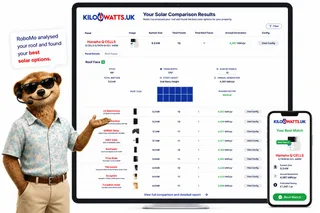
Simply enter your postcode, drop a pin on your roof, create your free account and let RoboMo™ analyse your property to find the best solar panels for your home.

You don't have to think
RoboMo™'s AI analyses your roof and does all the hard work.

Accurate & tailored
AI-powered assessment based on your roof, location, and conditions.

Best options, maximum savings
Compare top solar panels for the best performance and value.

Simple, fast & effortless
Provide a few details, sit back and watch your results unfold.
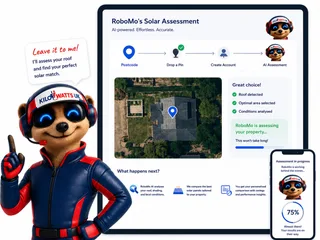
STEP 1
Choose Home, Business or Industrial
Enter your postcode to start your assessment.
STEP 2

Drop a pin on your roof
STEP 3

Create your free account
STEP 4

Sit back and watch RoboMo™ work
RoboMo™ analyses your roof and builds your personalised solar comparison.

Kilowatts UK is an authorised representative
Flower Turbines
Compact vertical-axis turbines built for real UK sites, not just open farmland.
They start in light wind, sit in a small footprint, and are bird-safe by design. Cluster them as a bouquet and the group performs better together than the same turbines standing alone. Enter your postcode for a location-based generation estimate. Figures use area weather data and will differ if buildings, trees or hills sit in the way.
Starts in light UK wind
Built to generate in typical UK wind, not only open farmland.
Small rooftop or ground footprint
Compact towers for roofs, yards and tight sites.
Bird-safe slow rotation
Slow vertical-axis spin, bird-safe by design.
Bouquet clusters raise output
Grouped turbines outperform the same units standing alone.
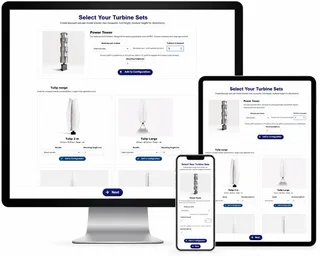
Step 1
Enter your postcode
Start designing your wind energy system in seconds.
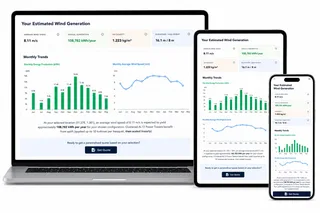
STEP 2

Choose a location
STEP 3
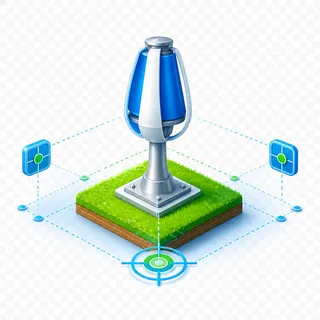
Place your cluster
Tap the map where you want the turbine cluster to go.
STEP 4

Instant generation forecasts
Compare different turbine layouts and see annual generation forecasts instantly.
STEP 5

No commitment required
Explore different configurations before deciding whether to request a quotation.
Related articles
Mo's Mission Nominations
FAQ
Need Help? RoboMo's Got Answers
What paperwork should I receive after a home EV charger installation?
You should normally receive an electrical certificate, DNO notification or approval evidence where required, commissioning information, manufacturer instructions and warranty details. Where Building Regulations notification applies, you should also receive evidence that the work has been dealt with through the correct route. The installer should explain what will arrive on the day and what may follow later.
Do I need an Electrical Installation Certificate for an EV charger?
For a typical home EV charger installed on a new dedicated circuit, an Electrical Installation Certificate is usually the key document. It records the design, inspection and test results for the electrical work. Smaller alterations may sometimes use a Minor Electrical Installation Works Certificate, but the certificate should match the work actually carried out.
Does the installer have to notify the DNO?
Many home EV charger installations need either DNO notification after installation or DNO acceptance before installation, depending on the property and electrical load. The installer should assess the supply, maximum demand and charger details before deciding the correct route. Ask for a copy, reference or written evidence of any notification, application or approval.
What Building Regulations paperwork should I expect?
In England and Wales, many new domestic electrical circuits fall under Part P notification requirements. Scotland and Northern Ireland use different building standards and processes, so the installer should confirm the correct local route. Ask who is responsible for notification and when you should receive any compliance evidence.
Why should load management settings be recorded?
Load management can be part of the safety design, not just a convenience setting. If your charger has a current limit, monitoring clamp or dynamic load management, the handover should record what has been set and why. You should not change these settings without a competent electrical reassessment.
What should the installer show me during handover?
The installer should show you how to start and stop charging, isolate the charger, use the app or controls, and recognise basic fault messages. They should also explain any smart charging schedules, randomised delay features or energy tariff settings that affect charging. You should know who to contact if the charger develops a fault.
What should I do if paperwork is missing after installation?
Ask the installer for a clear written list of what is outstanding and when each item will be provided. Some Building Regulations or DNO evidence may follow after submission, but the installer should be able to confirm what has been submitted. Do not accept a vague assurance if you have no electrical certificate or no explanation of the DNO route.
Should I keep EV charger paperwork for selling my home?
Yes, keep the electrical certificate, DNO evidence, Building Regulations evidence where applicable, commissioning notes and warranty documents together. Buyers, conveyancers or future electricians may ask for evidence of how the charger was installed and notified. Good records also help if the charger needs repair, replacement or reassessment later.