


Factory Solar Installation UK: Costs, Roof Suitability
Published: 2026-11-25 15:29:01
Updated: 2026-11-25 07:30:03
Assess roof suitability and budget for a UK factory solar installation. See how production shifts and grid export limits affect electricity savings.
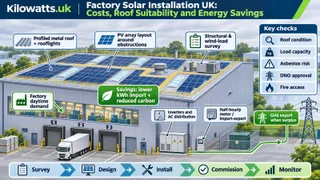
How factory solar installation works in the UK
Factory solar installation works best on a sound roof with years of service left and at a site that uses substantial electricity during daylight hours. Installation costs depend on the array size, roof access, electrical work and any network upgrades. Savings depend on how much grid electricity the factory avoids buying at its actual tariff, how much surplus it can sell and how often export limits force the system to reduce output.
Start with a representative year of half-hourly electricity data, roof drawings and a schedule of shifts and shutdowns. Tell the installer about planned changes such as a new production line, an electric fleet or a roof replacement. The installer can use this information to assess feasibility, survey the roof and electrical system, design the array, confirm which approvals are needed and plan the solar installation around production.
How factory solar panels supply the site
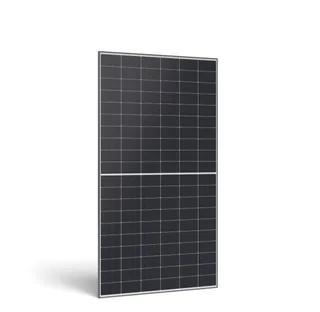
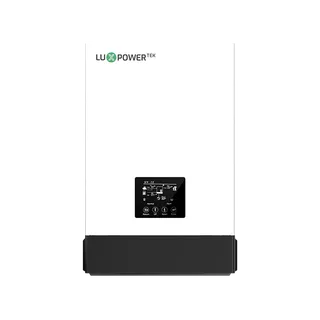
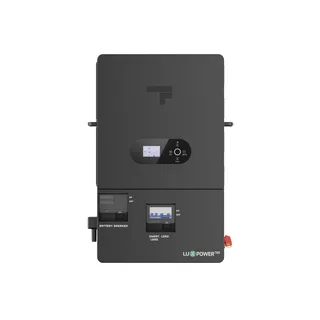
The panels generate direct-current electricity. Inverters convert it to alternating current for the factory’s electrical system, and the grid supplies any shortfall. Surplus can go to the grid within the agreed export limit or into a battery, if fitted. The inverters can also reduce output, known as curtailment.
Ask for the array’s rated capacity in kilowatt-peak (kWp), the inverters’ rated AC output in kilowatts (kW) and forecast annual generation in kilowatt-hours (kWh). The first figure describes the size of the panel array, the second tells you how much AC power the inverters can deliver at any moment, and the third estimates how much energy the system will generate over a year. Check whether the forecast already includes losses from export curtailment so you count them only once.
Is the factory roof suitable for solar panels?
A suitable roof has enough usable space, enough structural capacity and enough years of service left for the project. The structural assessment should cover the weight of the panels and mounting system, local loads from fixings or ballast, and wind uplift. Check how the mounting method affects waterproofing and the roof warranty. If the roof covering is due for replacement, compare reroofing first with the cost and disruption of removing and refitting the panels later.
The layout should preserve safe access to rooflights, drains, vents and rooftop equipment. Check the asbestos register before planning any work that could disturb the roof fabric. Agree how installers will protect people and production areas below, and check access and cable routes against the site’s fire strategy and the insurer’s requirements. If you lease the factory, agree landlord consent, maintenance access and end-of-lease obligations before committing. See HSE guidance on fragile surfaces and HSE guidance on identifying asbestos.
What affects the cost of factory solar installation?
The Department for Energy Security and Net Zero (DESNZ) reported a mean installed cost of around £1,170 per kW for non-domestic installations in its 10–50 kW band in 2025/26. The figures cover small-scale installations in Great Britain and give you a starting point for budgeting within that size band. Get site-specific prices for larger factory arrays. See DESNZ solar photovoltaic cost data.
Applying that rounded benchmark to a 50 kWp factory array gives a starting figure of £58,500. For this example, assume the quote covers the panels, inverters, mounting, standard roof access and edge protection, cabling to the agreed connection point, testing and commissioning. Ask bidders to show the price before VAT, the VAT charged and the total payable. Check how much VAT the business can reclaim before settling on a figure for the investment appraisal.
Set a separate allowance for roof repairs, reinforcement or reroofing based on the survey. Ask bidders to list switchboard alterations, distribution network operator charges and any network reinforcement separately. They should identify provisional sums and explain what could change after the structural survey or the connection offer. If you buy the system outright, budget for monitoring, maintenance, possible inverter replacement and any production lost while the system is connected.
How much electricity could a factory save?
Solar cuts the electricity bill when it replaces power the factory would have bought from the grid. Ask the installer to match forecast generation against a representative year of half-hourly demand, including weekends, seasonal shutdowns and planned shifts. A factory that uses a lot of electricity overnight may be able to use less solar power directly than its annual bill suggests. On some roofs, an east–west layout can spread output across more of the working day. See European Commission PVGIS guidance on grid-connected solar.
Take a 50 kWp array with an illustrative first-year forecast of 45,000 kWh before export curtailment. Suppose the factory uses 32,000 kWh on site, exports 10,000 kWh and loses 3,000 kWh to curtailment. That leaves 42,000 kWh delivered after curtailment. Using assumed rates of 22p per kWh for avoided imports and 6p per kWh for exports, the factory saves £7,040 on imports and earns £600 from exports. That gives £7,640 in gross annual value before maintenance and financing.
If daytime production falls and the factory uses only 22,000 kWh on site, the same generation forecast could instead yield 12,000 kWh of exports and 11,000 kWh of curtailment. At the same rates, gross value falls to £5,560 (£4,840 in avoided imports plus £720 in export income). That is £2,080 less a year. How much the factory exports or curtails depends on when the surplus occurs and the agreed export limit. For your own appraisal, value the solar electricity used on site at the import unit rate it displaces in each period. Use the export rate and terms offered to your business. Include changes to standing or capacity charges only if the proposal shows how they would change. If the factory would sell much of its output at a low rate or lose it to curtailment, ask for a smaller array to be modelled using the same demand data and tariffs.
What planning and grid checks apply?
Check planning and grid connection separately. Rooftop solar may qualify as permitted development, depending on where the factory is, the design and any site restrictions. Show the local planning authority the proposed layout and flag any listed status, conservation area designation or existing planning conditions. Ask whether prior approval, planning permission or a separate consent is needed.
In England, start with the Planning Portal’s guidance on planning permission for non-domestic solar panels. In Scotland, see Annex C of the Scottish Government’s Planning Circular 2/2024 on non-domestic permitted development rights. In Wales, use the Welsh Government’s “Planning permission: solar panels (non-domestic)” guidance. In Northern Ireland, check Part 37, Class A of the Planning (General Permitted Development) Order (Northern Ireland) 2015 and confirm with the council how it applies to your site.
Many factory-scale projects in Great Britain require a G99 application to the distribution network operator (DNO) before connection. Ask who will submit it, what inverter capacity and export limit the design assumes, and how it accounts for existing generation. The DNO may require network work or cap exports. An agreed G100 export limitation scheme can control exports, including where the agreed limit is zero. Ask the installer to show how the limit affects generation and savings. Northern Ireland has separate connection requirements, including G99/NI. See the National Grid Electricity Distribution G99 procedures, export limitation guidance and ENA G99/NI requirements.
Can the factory keep running during installation?
Installers can often phase roof work around production. The final electrical connection and some commissioning tests may require a planned outage. The electrical survey should locate the connection point, check switchboard capacity and spare ways, and establish how solar will work with standby generators, batteries or other on-site generation. Agree which equipment to isolate, how long the outage should last, which lines it will affect and who will sign off the restart.
A standard grid-connected solar array shuts down during a power cut. If refrigeration or process controls need backup, specify which circuits must stay on, their starting loads and how long they need to run. Those requirements shape the design of a system that can operate independently of the grid. If you are considering battery storage for daytime surplus, compare the energy a battery can deliver after losses, the grid imports it would replace and any export income you would give up. See the Welsh Government technical note on connecting on-site generation.
Should you buy the system or use a power purchase agreement?
If you buy the system outright, the business owns the equipment and is responsible for its upkeep. Under an on-site power purchase agreement (PPA), a provider generally owns the system and the factory buys the solar electricity under agreed terms. When weighing up ways to fund commercial solar, compare cash flows over the time you expect to occupy the site. Check what happens if production falls, the roof needs work or the business moves.
How to compare commercial solar installers
To compare installer proposals fairly, give each bidder the same demand data, roof information and operating constraints. Ask for a roof layout, monthly and annual generation forecasts, and a breakdown of how much electricity the factory would use, export or lose to curtailment. Give bidders the same import and export rates so you can compare annual value alongside installed cost. A larger array can generate more electricity while returning less value per pound invested if more of its output comes during shutdowns or is curtailed.
Check who is responsible for the structural assessment, planning checks, network application and switchboard connection. Ask for an outage plan, an itemised price and a handover schedule covering as-built drawings, isolation instructions, test records, monitoring access and maintenance responsibilities. To request a factory roof assessment through the Kilowatts commercial solar comparison tool, have your half-hourly demand data, roof details and available shutdown windows ready so installers can quote on the same basis.
Solar comparison
Compare solar for your property
Enter your postcode to assess your roof, compare solar options and get quotes from UK installers.
- Free postcode start
- Home, business and industrial
- RoboMo™ maps your roof
See which panels fit your roof
Choose home, business or industrial, then enter your postcode. RoboMo maps the roof and ranks panel brands by fit.
1. Postcode Start the assessment for your property.
2. Pin the roof Mark the array on the map.
3. Compare RoboMo™ builds your options.

Battery ROI tool
See what a battery saves on your bill
Enter the day rate, off-peak rate and export rate. The calculator ranks batteries in the Kilowatts shop over 10 years. Home batteries also suit offices and small commercial sites.
Reading
Sources and further reading
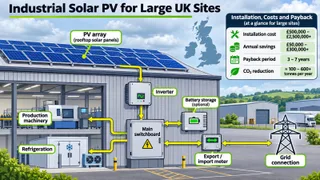
Planning industrial solar panels for a UK site? Check roof suitability and grid export limits, compare installation quotes and estimate payback.
Read article

Worth depends on your roof, daytime use and the export tariff you can get. This page sets out how to judge a 2026 UK install.
Read article
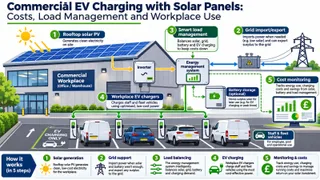
Plan commercial EV charging with solar panels for your UK site. Estimate installation costs and see how load management shares power across bays.
Read article
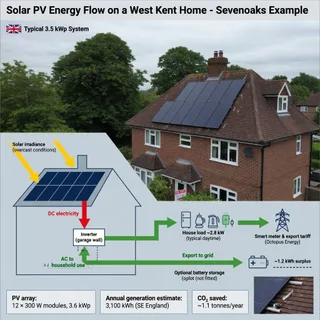
Solar panel installation in Sevenoaks is a roof, shade and planning job under UK Power Networks, not a town price.
Read article

Mo's Solar Mission
Mo's Mission Nominations
Garlinge Primary School and Nursery
Garlinge Primary School and Nursery is a foundation primary school on Westfield Road in Margate, Kent, for children aged 3 to 11. It is m...
St Luke's Church of England Primary SchoolSt Luke's Church of England Primary School is a voluntary controlled Church of England primary school on Jubilee Road in Formby, Merseysi...
Comberbach Nursery and Primary SchoolComberbach Nursery and Primary School is a primary academy on Mather Drive in the village of Comberbach, near Northwich in Cheshire, for...
Locations
Solar installation near you
Write for Kilowatts.uk
Got a trade and something worth saying?
Write it here under your own name. Sign in, put a profile up, and start a guide. Pay only if you want more links from your articles out to your own site.
Register
Create a Kilowatts.uk account, or sign in if you already have one.
Author profile
Put your name, photo and experience on a public author page.
Start creating
Write a guide or a blog. Free authors can put one followed link to their own site in articles each month.
FAQ
Need Help? RoboMo's Got Answers
How much does it cost to install solar panels on a factory in the UK?
The installed cost depends on the size of the array, roof access and the electrical work needed to connect it. Get an itemised quote that shows VAT and lists any roof repairs, reinforcement, switchboard alterations and network charges separately. Ask which costs could change after the roof survey or grid connection offer.
How do I know if my factory roof can support solar panels?
A structural assessment should check the weight of the panels and mountings, loads at the fixings and how the roof will cope with wind uplift. Check the roof covering’s remaining life and how the installation could affect its warranty. Review the asbestos register before work that could disturb the roof, and agree landlord consent and maintenance access if you lease the site.
How much could factory solar panels save on electricity bills?
Savings depend on how much solar electricity the factory uses as it is generated and the import unit rate it displaces. Ask the installer to match its generation forecast against a representative year of half-hourly demand, including weekends and shutdowns. Compare avoided import costs and any export income, allowing for export limits, maintenance and financing.
Do factory solar panels need planning permission or grid approval?
Check planning and grid connection separately. Rooftop solar may qualify as permitted development, depending on the UK nation, site and design, so confirm the position with your local planning authority. Ask the installer to confirm the applicable process with your network operator and show how any export limit would affect your savings.
Can the factory keep running while solar panels are installed?
Installers can often phase roof work around production. The final electrical connection and some commissioning tests may need a planned outage. Before work starts, agree which equipment and production lines will be affected, how long the outage should last and who will sign off the restart.
Will factory solar panels keep equipment running during a power cut?
A standard grid-connected solar array shuts down during a power cut. If you need backup for refrigeration, process controls or other equipment, tell your installer which circuits must stay on and for how long. A battery can provide backup if the system is designed to power those circuits independently of the grid.
Should I buy factory solar panels outright or use a power purchase agreement?
If you buy outright, your business owns the system and budgets for maintenance and repairs. Under an on-site power purchase agreement, the provider generally owns the system and your business buys the solar electricity on agreed terms. Compare costs over the time you expect to occupy the site and check tariff increases, minimum purchase commitments and what happens if the roof needs replacing or the business moves.
Live help
Need help right now?
Talk to RoboMo™ and get instant answers.