


How to add wind turbine to solar system?
Published: 2026-11-26 02:43:23
Updated: 2026-11-25 18:44:16
Adding a wind turbine to an existing solar system? Compare UK retrofit options and check wind exposure, inverter compatibility and grid connection.
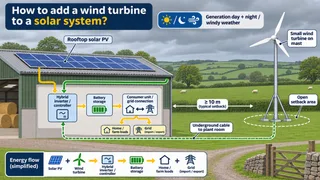
How to add a wind turbine to a solar system in the UK
At a grid-connected property, you can usually keep your solar panels and inverter and add a wind turbine with its own controller and compatible grid inverter. Both systems feed the property’s electrical supply, and a battery is optional. Off grid, a compatible wind charge controller can feed the same battery bank as the solar charge controller. Before ordering equipment, check the wind at the proposed hub height, confirm that the equipment can work together and agree the planning, grid connection and metering arrangements for your site. For an overview of combining wind and solar, see our guide to hybrid generation.
Choose how the turbine will connect
A common grid-connected retrofit uses AC coupling, with the wind and solar inverters connected separately to the property’s AC supply. Off grid, the two systems can share a battery bank if the battery manufacturer permits it and both charge controllers can operate within the battery’s voltage and current limits.
Overview
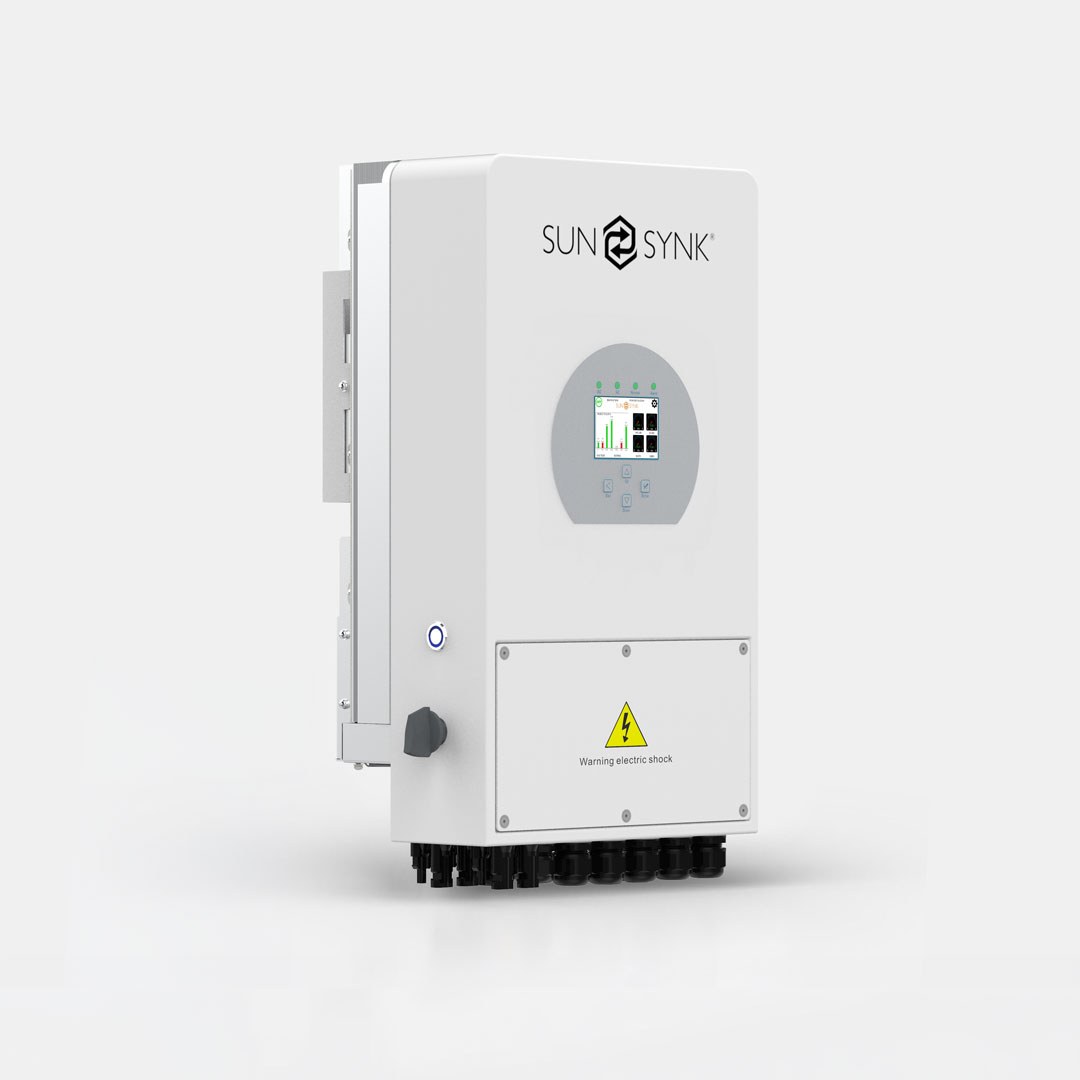
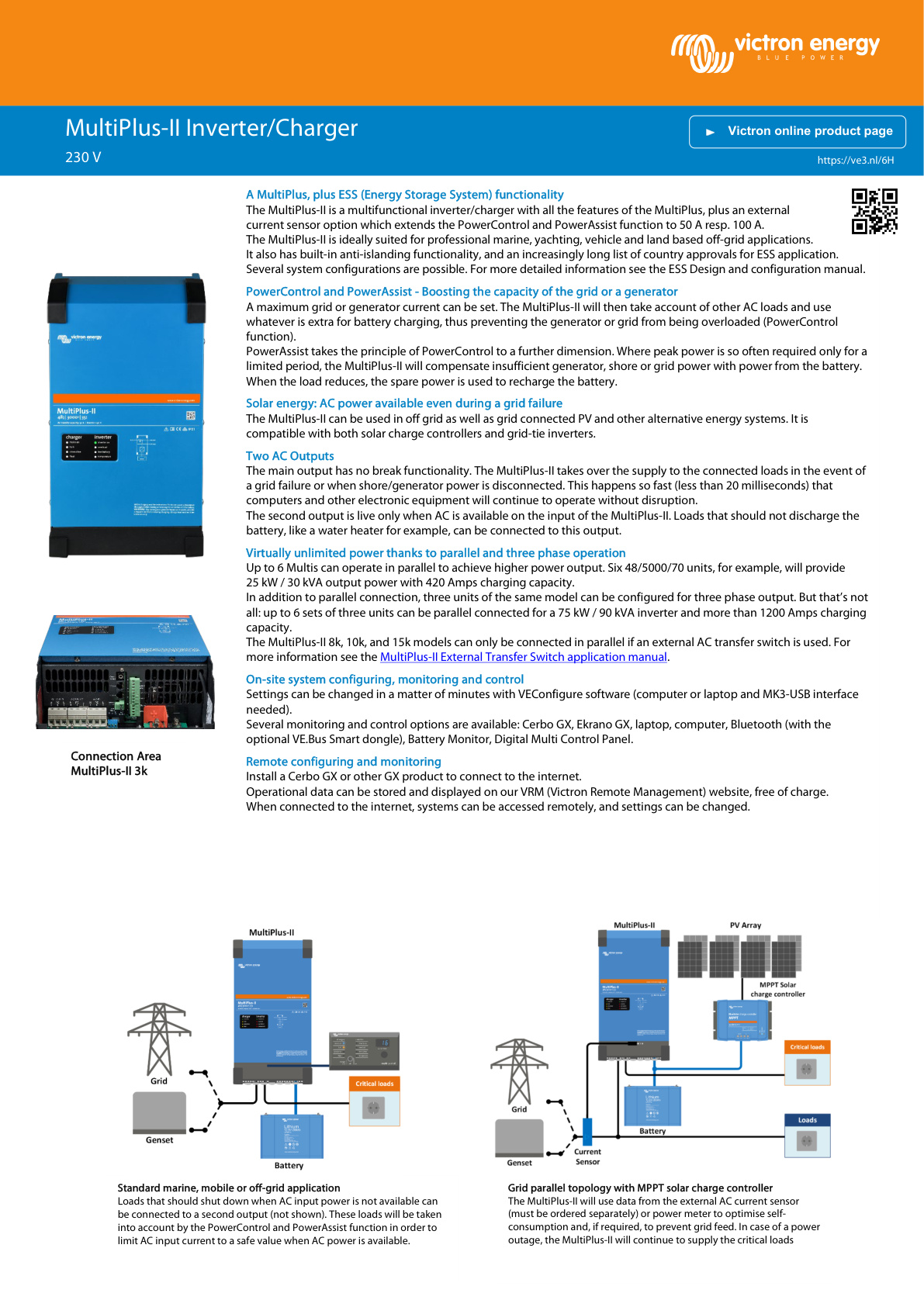
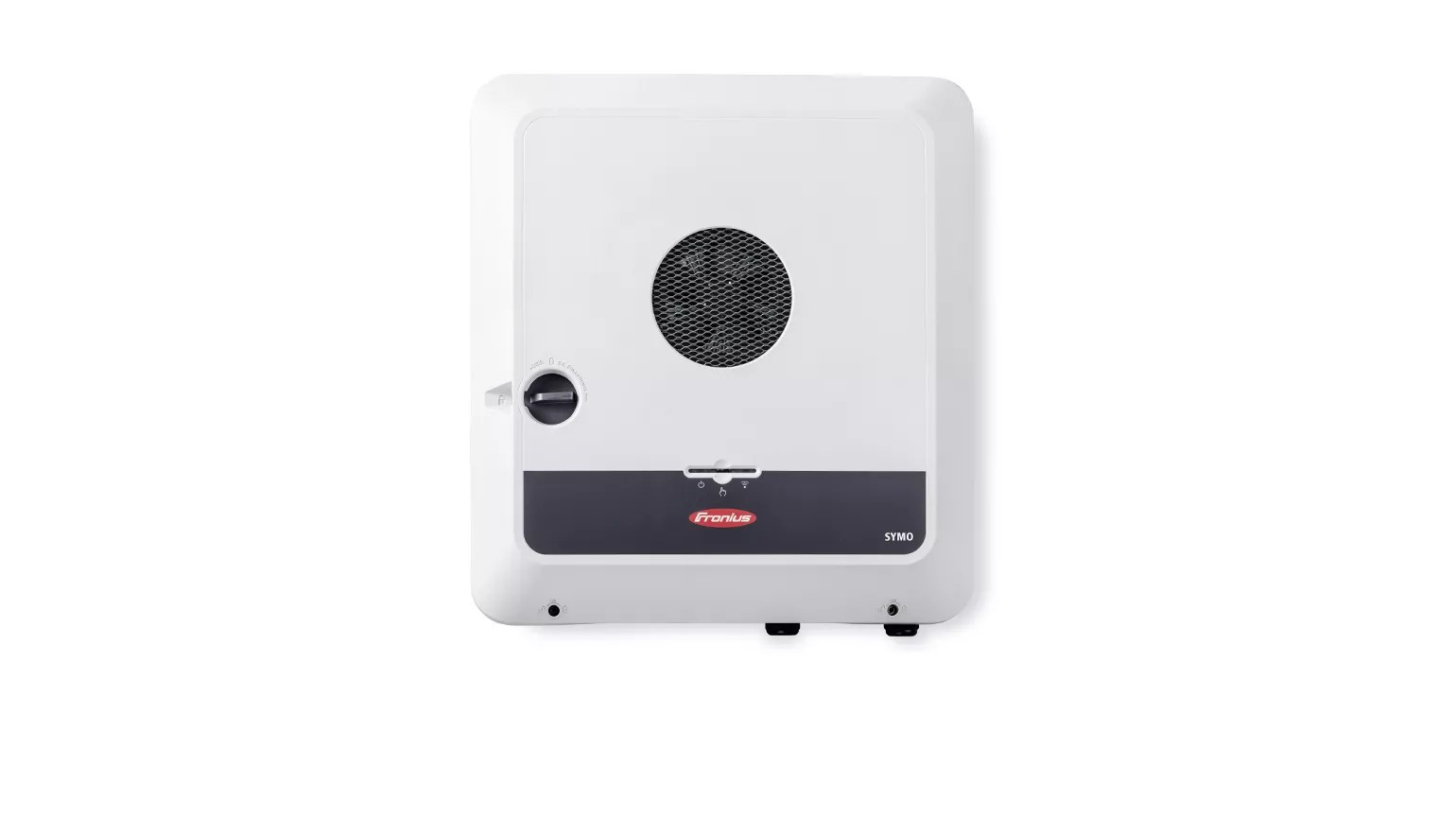
Give the installer the exact model numbers of your solar inverter, battery and controls. A spare PV input is designed for solar panels, so check whether the manufacturer explicitly supports a wind connection. Ask for a wiring diagram showing how the turbine is controlled if the battery is full, the battery management system disconnects or the grid fails. Depending on the turbine, the design may use braking or a diversion load that absorbs surplus electricity. Marlec controller documentation
If you need backup power, ask which circuits will stay live and whether the wind inverter can operate while those circuits are isolated from the grid. A standard grid-following inverter shuts down during a power cut. A battery with backup capability can keep designated circuits running while the wind inverter is offline. Ask the installer to demonstrate what happens during a power cut as part of commissioning. Energy Networks Association connection guide
Check the wind at the height you can actually install
Wind conditions at hub height, where the centre of the rotor sits, tell you more about likely output than a postcode average. An exposed field can offer steadier airflow than a roof sheltered by taller buildings or trees. Strong gusts around roof edges can indicate turbulence. A building-mounted turbine also transfers loads and vibration into the structure, so ask for a structural assessment before committing to a roof or wall mount. University of Southampton small-wind field trial
Ask for an annual generation estimate in kilowatt-hours (kWh) for the proposed turbine position and hub height. The turbine’s rating in kilowatts (kW) describes its power at a specified wind speed. To estimate annual yield, the installer should use the manufacturer’s power curve and account for how often different wind speeds occur at the site. Ask what the estimate assumes about turbulence, electrical losses, downtime and periods when export controls could reduce output. If the estimate relies heavily on local wind averages, ask whether on-site monitoring would give you a better basis for deciding.
A freestanding mast can improve wind exposure and needs foundations, cabling and access for servicing. Walk the cable route with the installer before they price the groundworks. A long run can increase voltage drop and affect cable sizing. Gates, underground services and the space needed to lower or service the mast can also affect installation costs.
Confirm planning, grid connection and export before ordering
Check with your local planning authority before choosing a mast or mount. England has conditional permitted development routes for certain domestic turbines. In Scotland, check your council’s guidance on domestic wind and permitted development. In Wales, consult the Welsh Government’s guidance on planning permission for wind turbines. In Northern Ireland, check your council’s planning guidance. Give the authority a site plan showing the mount, maximum blade-tip height, boundaries and nearby buildings so it can advise on your proposal. England’s permitted development rules for wind turbines
For a grid-connected site in Great Britain, ask the installer to confirm the connection route with the distribution network operator (DNO). The assessment covers the combined installation, including existing solar and any relevant battery inverter capacity. G98 applies up to a combined capacity of 16 A per phase, equivalent to about 3.68 kW on a single-phase supply at unity power factor. The generating units must be fully type-tested for G98. For a qualifying single-site installation, the installer normally notifies the DNO after commissioning. ENA guide to G98 and G99
A system outside G98 generally follows G99 and requires DNO approval before connection. An agreed G100 export limit caps the power that can flow to the grid. The DNO assesses installed generating capacity when it determines the connection route. In Northern Ireland, ask the installer to confirm the applicable process with NIE Networks before ordering. National Grid Electricity Distribution export limitation guidance Agree the meter layout before changing any wiring. If your solar receives legacy Feed-in Tariff (FIT) payments, ask your FIT licensee how the new layout will identify generation from the accredited solar installation and how the licensee would treat a shared export meter. FIT generation payments cover electricity the accredited installation generates. FIT export payments cover electricity it sends to the grid. Eligible FIT generation payments can continue if you opt out of FIT export payments and switch to the Smart Export Guarantee (SEG). The same electricity cannot earn both FIT export and SEG payments. If you plan to claim SEG for eligible wind generation in Great Britain, agree the proposed metering with your FIT licensee and ask the prospective SEG supplier what readings and certification evidence it will accept. Ofgem guidance for FIT generators · Ofgem Smart Export Guarantee guidance
Decide whether small wind is worth adding
Small wind is most promising on exposed sites where the turbine can generate when demand exceeds solar output. At an exposed farm, wind generation after dark could meet some overnight demand. At an off-grid property, it could reduce generator run time during windy periods with low solar output. Size the off-grid backup supply for periods when both sources are weak.
For a grid-connected home or business, compare expected wind output with half-hourly import and export data where available. Timing matters especially if you already export a lot of solar electricity or have a shared export cap. Value the wind electricity you use on site at the import rate it saves, and eligible exports at the applicable export rate. Include servicing and access costs when assessing the upfront quote. Businesses weighing up the two technologies can also compare commercial wind and solar.
If your aim is to use more of the solar electricity you already generate, compare the wind proposal with shifting flexible demand into daylight hours or adding storage. At a sheltered site, the expected wind yield may be too low to justify the mast and its upkeep. If you are also considering expanding your array, compare home solar installation options alongside the wind proposal.
What to ask for in a retrofit quote
Send installers your existing equipment model numbers, connection paperwork, recent consumption and generation data, and photos of the proposed turbine position and cable route. Ask for an itemised quote covering the turbine, mast or building mount, foundations, trenching, electrical controls, protection, metering and commissioning.
Confirm who handles planning and network submissions and how the installer will access the turbine for servicing. Ask which maintenance tasks and replacement parts the manufacturer specifies. Check the warranty terms and ask what service life the installer assumed.
Use the Kilowatts UK directory to shortlist installers with small-wind retrofit experience. Ask each for an annual yield estimate at the proposed hub height and a connection diagram showing how the turbine will work with your existing solar system. Compare the assumptions about wind exposure, downtime and export limits before comparing prices.
Solar comparison
Compare solar for your property
Enter your postcode to assess your roof, compare solar options and get quotes from UK installers.
- Free postcode start
- Home, business and industrial
- RoboMo™ maps your roof
See which panels fit your roof
Choose home, business or industrial, then enter your postcode. RoboMo maps the roof and ranks panel brands by fit.
1. Postcode Start the assessment for your property.
2. Pin the roof Mark the array on the map.
3. Compare RoboMo™ builds your options.

Battery ROI tool
See what a battery saves on your bill
Enter the day rate, off-peak rate and export rate. The calculator ranks batteries in the Kilowatts shop over 10 years. Home batteries also suit offices and small commercial sites.
Reading
Sources and further reading
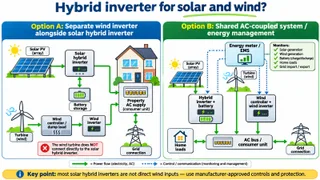
Check whether your wind turbine needs its own inverter and what to ask a UK installer before using solar and wind to charge the same home battery.
Read article
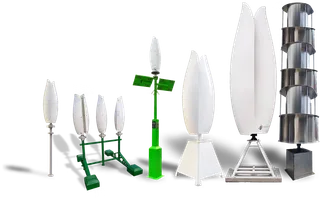
They need clean wind at the rotor, a safe mounting position, planning acceptability, suitable grid connection arrangements.
Read article
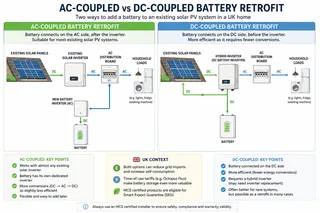
Read article
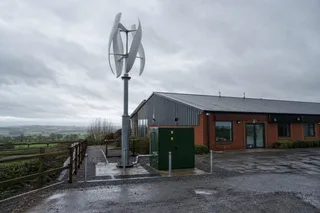
Discover what Flower Turbines' UK Power Networks approval means for small wind buyers in the UK, and how it affects their projects.
Read article
Mo's Solar Mission
Mo's Mission Nominations
Garlinge Primary School and Nursery
Garlinge Primary School and Nursery is a foundation primary school on Westfield Road in Margate, Kent, for children aged 3 to 11. It is m...
St Luke's Church of England Primary SchoolSt Luke's Church of England Primary School is a voluntary controlled Church of England primary school on Jubilee Road in Formby, Merseysi...
Comberbach Nursery and Primary SchoolComberbach Nursery and Primary School is a primary academy on Mather Drive in the village of Comberbach, near Northwich in Cheshire, for...
Locations
Solar installation near you
Write for Kilowatts.uk
Got a trade and something worth saying?
Write it here under your own name. Sign in, put a profile up, and start a guide. Pay only if you want more links from your articles out to your own site.
Register
Create a Kilowatts.uk account, or sign in if you already have one.
Author profile
Put your name, photo and experience on a public author page.
Start creating
Write a guide or a blog. Free authors can put one followed link to their own site in articles each month.
FAQ
Need Help? RoboMo's Got Answers
Can I add a wind turbine without replacing my solar inverter?
Usually, yes. A common grid-connected retrofit gives the turbine its own controller and compatible wind inverter, with both inverters feeding your home's electricity supply. Only use a spare solar input if the manufacturer explicitly supports the proposed wind connection.
Do I need a battery, and can the turbine charge the one I already have?
A battery is optional for a grid-connected system. If you already have one, ask your installer whether its controls can detect surplus wind generation and charge from it. Off grid, wind and solar can share a battery bank if the manufacturer permits it and both controllers stay within the battery's voltage and combined charging current limits.
Will the wind turbine power my home during a power cut?
A standard grid-following wind inverter shuts down during a power cut. A battery with backup capability can keep designated circuits running, but the turbine can only contribute if the backup system is designed to support it while isolated from the grid. Ask the installer to demonstrate which circuits and equipment stay live.
How can I tell whether my home is windy enough for a turbine?
Ask for an annual generation estimate in kilowatt-hours based on the wind at the proposed rotor height. Nearby trees and buildings can shelter the turbine or create turbulence, even if the area looks windy on a map. If the estimate relies heavily on local averages, ask whether measuring wind on site would help you decide.
Do I need planning permission for a domestic wind turbine?
It depends on where you live and what you plan to install. Ask your local planning authority whether your proposal needs permission before ordering. Send a site plan showing the proposed mount, maximum blade-tip height, property boundaries and nearby buildings.
Do I need to tell the electricity network operator if I already have solar?
Ask your installer to confirm before you order whether the upgrade needs prior approval or can be notified after installation. In Great Britain, the distribution network operator considers the combined installation, including existing solar and any relevant battery inverter capacity. In Northern Ireland, confirm the process with NIE Networks.
Could adding a wind turbine affect my solar Feed-in Tariff payments?
Speak to your Feed-in Tariff licensee before changing the wiring or metering. Ask how the meter layout will keep your accredited solar generation identifiable and how a shared export meter would be treated. If you want Smart Export Guarantee payments for eligible wind exports in Great Britain, ask the prospective supplier what metering and certification evidence it accepts. The same exported electricity cannot earn both Feed-in Tariff export payments and Smart Export Guarantee payments.
How do I work out whether adding a wind turbine is worth the cost?
Compare the expected timing of wind generation with your household demand and existing solar output. Value the electricity you expect to use at home at the import rate it would save, and value eligible exports at the rate you would receive. Compare those savings and earnings with an itemised quote that includes the mast or mount, groundworks, electrical work and ongoing servicing.
Live help
Need help right now?
Talk to RoboMo™ and get instant answers.