LinkedIn profile for David Coleman David Coleman
Founder & Renewable Energy Author, kilowatts.uk

LinkedIn profile for David Coleman David Coleman
Founder & Renewable Energy Author, kilowatts.uk
Article
A UK consultation proposes Fixed Price Certificates for the Renewables Obligation. See the timetable, who is affected and why household savings are uncertain.
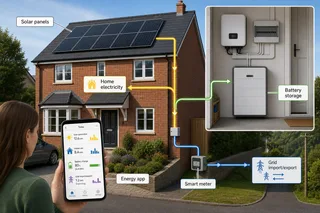
Illustration of a home energy system; it does not depict a product or installation announced in this article.
Published 5 November 2026. Consultation status checked against DESNZ's publication and consultation document.
The UK government is consulting on replacing tradable Renewables Obligation Certificates with a fixed-price certificate system. The proposal concerns support for generation already covered by the Renewables Obligation, rather than a new grant for households buying solar panels.
A change in the administration of a support scheme does not establish the saving for an individual electricity customer. Keep that distinction in mind when reading claims about cheaper bills.
The DESNZ consultation, published on 3 November 2026, asks how a Fixed Price Certificate system should work. It covers pricing and payments, supplier levies, reconciliation, stability and transition arrangements.
The consultation document proposes a transition no sooner than the 2028/29 scheme year. Responses close on 12 January 2027. Those are a proposed earliest start and a consultation deadline, not a final implementation commitment.
A tradable certificate has a market context as well as an administrative role. A fixed-price arrangement changes the way support is valued and paid. That can alter the balance of risks between generators, suppliers, intermediaries and customers.
The practical outcome depends on the final valuation method and existing contracts. Different power-purchase agreements may distribute certificate income differently. A scheme-wide average cannot tell every generator what their receipts would become.
This consultation is not an offer of a new household export rate. If you own rooftop solar, identify the actual scheme and contract under which you are paid before drawing conclusions. Keep an export tariff agreement separate from generation-support paperwork and from the electricity import tariff.
For someone considering new solar, the useful calculation remains a quotation based on the home, expected generation, self-consumption, purchase price and an available export tariff. A future policy scenario should not become a guaranteed payment in that calculation.
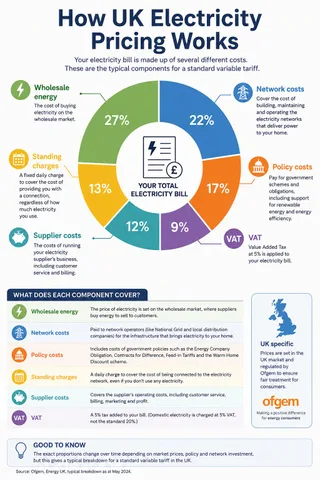
Supplier scheme costs can matter to the wider cost of electricity, but a policy adjustment does not establish an immediate reduction on every household bill. Timing, the final design and other parts of the retail price all matter.
The consultation includes modelling rather than a promise of a fixed saving. Avoid turning an illustrative scenario into a personal payback figure, or assuming a revenue-neutral aggregate result leaves every generator in the same position.
Look for the government's response, final valuation and payment arrangements, transition provisions and a confirmed implementation date. Generators should review the document against their contracts. Households can follow the policy without changing a tariff solely because a consultation has opened.
Solar comparison
Enter your postcode to assess your roof, compare solar options and get quotes from UK installers.
Choose home, business or industrial, then enter your postcode. RoboMo maps the roof and ranks panel brands by fit.
1. Postcode Start the assessment for your property.
2. Pin the roof Mark the array on the map.
3. Compare RoboMo™ builds your options.

Battery ROI tool
Enter the day rate, off-peak rate and export rate. The calculator ranks batteries in the Kilowatts shop over 10 years. Home batteries also suit offices and small commercial sites.
Reading
Read article
Compare UK solar panel quotes for 2026: see 2kW to 6kW costs, yearly savings of £350 to £1,000, and a typical payback of 9 to 15 years before choosing.
Read article
Understand solar panel output uk in the UK, with clear explanations, examples, and practical next steps.
Read article

Understand home battery lifespan uk in the UK, with clear explanations, examples, and practical next steps.
Read article
Write for Kilowatts.uk
Write it here under your own name. Sign in, put a profile up, and start a guide. Pay only if you want more links from your articles out to your own site.
Create a Kilowatts.uk account, or sign in if you already have one.
Put your name, photo and experience on a public author page.
Write a guide or a blog. Free authors can put one followed link to their own site in articles each month.
FAQ
Live help
Talk to RoboMo™ and get instant answers.
Live chat