


Europe's Largest 100% Hydrogen-Ready Gas Turbine Starts a 34 MW Trial - The Efficiency Questions
Published: 2026-11-24 02:25:04
Updated: 2026-11-23 18:26:05
See what Lingen’s 34 MW hydrogen gas turbine trial could reveal about net grid export, round-trip efficiency and backup power for the UK grid.
Overview
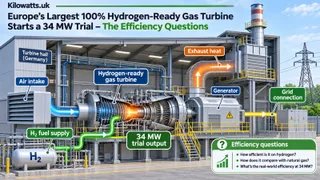
Create a clean editorial diagram showing how renewable electricity can be stored as hydrogen and converted back to electricity for the grid. Show an electrolyser, compression and storage, a hydrogen gas turbine driving a generator, and a meter at the grid connection. Mark where energy is used or lost and label the meter “Net electricity exported”. Use a neutral industrial setting and make clear this is a conceptual storage pathway, rather than a site plan of Lingen. Use no numerical values, logos, branding or watermarks.
Lingen’s 34 MW hydrogen gas turbine trial and the efficiency question
RWE and Kawasaki Heavy Industries launched a trial of a 34 MW gas turbine at the Emsland power station in Lingen, Germany, in November 2026. RWE describes it as Europe’s largest fully hydrogen-compatible gas turbine. The launch announcement gives the turbine’s rating and outlines tests with up to 100% hydrogen. Measured turbine efficiency, round-trip efficiency and net grid export on pure hydrogen remain open questions. RWE’s trial announcement
The trial is designed to build operating experience across fuels and loads. The 34 MW rating describes power. If the unit sustained that output for an hour, it would produce 34 MWh of electricity. Grid operators need to know how much power reaches the grid after the plant’s own electricity use, how quickly the unit can reach that output and how long it can sustain it.
How hydrogen becomes electricity at Lingen
The trial draws hydrogen from electrolysers at the neighbouring GET H2 Nukleus project. The turbine can run on natural gas, pure hydrogen or a blend of the two. Burning fuel with compressed air produces hot gases that spin the turbine and drive a generator. RWE’s description of the Lingen project A related application of hydrogen combustion is the hydrogen hybrid engine for industrial use.
When reading results for a blend, check whether the hydrogen percentage is given by volume or by energy. At the same temperature and pressure, hydrogen carries less energy per cubic metre than natural gas, so its share of the fuel energy is lower than its share by volume. Burning pure hydrogen produces no CO₂ from the fuel and can still form nitrogen oxides (NOₓ). Natural gas in a blend contributes CO₂ at the stack. The wider greenhouse gas impact also depends on how the hydrogen is produced and delivered. Environment Agency guidance on hydrogen combustion and UK Low Carbon Hydrogen Standard
What turbine efficiency and round-trip efficiency measure
Net generating efficiency measures how much electricity reaches the grid for each unit of fuel energy supplied to the plant. Round-trip efficiency measures how much electricity comes back for each unit of electricity used to make and store the hydrogen. It accounts for electricity used in electrolysis and compression, storage losses and losses during generation. Use round-trip efficiency to compare the hydrogen system with a battery when both take in electricity and deliver it back later. The same principle applies at a smaller scale when a home battery stores electricity for later use.
Suppose 100 MWh of electricity goes into electrolysis, compression and storage, leaving 60 MWh of hydrogen energy at the turbine inlet on a lower heating value (LHV) basis. If the plant converts 35% of that fuel energy into net electricity after its own use, it exports 21 MWh to the grid. That gives a round-trip efficiency of 21%. Both conversion rates are illustrative, and the example assigns no credit to recovered heat.
When comparing projects, check whether suppliers quote output at the generator or at the grid connection, and whether they use the lower or higher heating value for fuel input. Ask for efficiency at minimum stable load and at the output the plant will most often deliver. For short runs, include the fuel and electricity used during start-up. If a proposal credits recovered exhaust heat, check whether a nearby customer can use it during the hours the turbine is expected to run. DESNZ hydrogen-to-power cost and technical assumptions
How operators judge whether the turbine can respond on demand
Operators can call on a dispatchable plant to generate within its operating and fuel limits. Useful trial results would show how long it takes from a start request to first grid export and then to the requested output, for both warm and cold starts. Ramp rate shows how quickly output can change once the unit is running. Minimum stable load is the lowest output it can sustain while staying online. RWE’s launch announcement outlines tests at different loads and in different operating modes. RWE’s trial announcement
Look for net export, fuel consumption and measured NOₓ at the same loads and fuel blends so the figures can be compared. Repeated starts show whether the plant responds consistently. A sustained run tests whether the turbine can hold its output and the fuel system can maintain the required flow and pressure. For a plant intended to cover a prolonged shortage, how long it can run matters alongside how quickly it can start.
Where hydrogen power might fit in the UK
Hydrogen-fired generation could help cover extended periods of low wind and solar output if the plant can secure enough low-carbon hydrogen at the required delivery rate. The choice depends on how long the gap lasts, how often it occurs and whether demand can shift to periods of higher generation. At site level, energy management systems can help identify and schedule loads that can move. The UK government’s Hydrogen to Power Business Model factsheet sets out a proposed role for hydrogen-fired generation as a source of flexible capacity. UK government Hydrogen to Power Business Model factsheet
Overview
For industrial sites assessing direct use, compare on-site solar installation options against the site’s daytime electricity demand.
What would determine the cost of a UK project?
Start with expected running hours, the number of starts and the delivered cost of hydrogen. Alongside the turbine, allow for the grid connection, site works, fuel handling, any storage needed, maintenance and emissions monitoring. Model fuel use during starts and at part load. A plant that runs infrequently spreads its fixed costs across fewer exported MWh. The appraisal needs to account for both the cost of generation and the value of having capacity available during a shortage. DESNZ hydrogen-to-power cost and technical assumptions
Before pricing a site, check how much fuel the supplier can commit to, at what delivery pressure and at what maximum sustained flow. Confirm how much power the grid connection can accept and identify the applicable planning and environmental approvals early. Materials compatibility, ventilation, leak detection and emergency isolation can affect layout and cost. If the project relies on a pipeline or shared store, establish how much fuel the plant can draw when other users also need it. Environment Agency guidance on hydrogen combustion
What the Lingen trial could tell us about UK grid reliability
The Lingen trial can help establish whether a turbine of this size can start reliably, hold net output on pure hydrogen and control NOₓ across its operating range. UK grid planners would need to pair those results with an assessment of fuel supply and storage at each site. A project should show how many megawatts it can export, how many hours it can sustain that output and whether it can replenish its fuel before the next shortage.
Hydrogen-fired generation could provide capacity during prolonged renewable shortfalls. Its value to the UK grid will depend on how reliably the complete system delivers electricity during those periods and what it costs to keep that capacity available.
Solar comparison
Compare solar for your property
Enter your postcode to assess your roof, compare solar options and get quotes from UK installers.
- Free postcode start
- Home, business and industrial
- RoboMo™ maps your roof
See which panels fit your roof
Choose home, business or industrial, then enter your postcode. RoboMo maps the roof and ranks panel brands by fit.
1. Postcode Start the assessment for your property.
2. Pin the roof Mark the array on the map.
3. Compare RoboMo™ builds your options.

Battery ROI tool
See what a battery saves on your bill
Enter the day rate, off-peak rate and export rate. The calculator ranks batteries in the Kilowatts shop over 10 years. Home batteries also suit offices and small commercial sites.
Reading
Sources and further reading
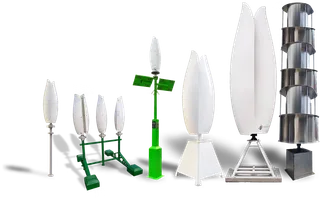
They need clean wind at the rotor, a safe mounting position, planning acceptability, suitable grid connection arrangements.
Read article
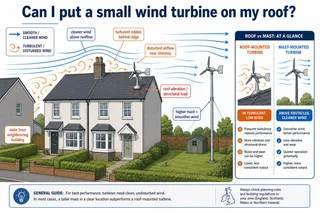
The main issues are wind quality, planning rules, structural safety, noise, grid connection, cost, turbine type, turbine size, and maintenance.
Read article
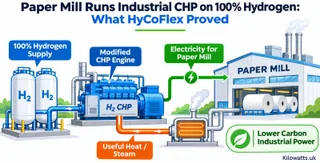
See how HyCoFlex generated power and process steam at full load on 100% renewable hydrogen, and what UK factories should check before a CHP retrofit.
Read article
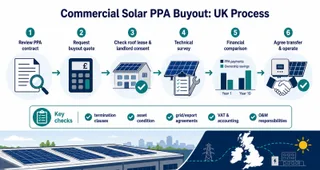
Discover the reality of buying out a solar power purchasing agreement (PPA) in the UK.
Read article





Mo's Solar Mission
Mo's Mission Nominations
Garlinge Primary School and Nursery
Garlinge Primary School and Nursery is a foundation primary school on Westfield Road in Margate, Kent, for children aged 3 to 11. It is m...
St Luke's Church of England Primary SchoolSt Luke's Church of England Primary School is a voluntary controlled Church of England primary school on Jubilee Road in Formby, Merseysi...
Comberbach Nursery and Primary SchoolComberbach Nursery and Primary School is a primary academy on Mather Drive in the village of Comberbach, near Northwich in Cheshire, for...
Locations
Solar installation near you
Write for Kilowatts.uk
Got a trade and something worth saying?
Write it here under your own name. Sign in, put a profile up, and start a guide. Pay only if you want more links from your articles out to your own site.
Register
Create a Kilowatts.uk account, or sign in if you already have one.
Author profile
Put your name, photo and experience on a public author page.
Start creating
Write a guide or a blog. Free authors can put one followed link to their own site in articles each month.
FAQ
Need Help? RoboMo's Got Answers
What does ‘100% hydrogen-ready’ mean for the Lingen turbine?
RWE says the turbine can run on pure hydrogen, natural gas or a blend. The trial is designed to test how it operates across fuels and loads. The launch announcement gives the turbine’s rating, while measured efficiency and net grid export on pure hydrogen remain open questions.
What does the turbine’s 34 MW rating tell us?
Megawatts measure power. If the turbine sustained 34 MW for one hour, it would generate 34 MWh of electricity. Net grid export is the electricity delivered after the plant’s own power use has been deducted.
What is the difference between turbine efficiency and round-trip efficiency?
Net generating efficiency compares the electricity exported to the grid with the energy in the fuel supplied to the plant. Round-trip efficiency compares that export with the original electricity used to produce, compress and store the hydrogen. Use round-trip efficiency when comparing hydrogen storage with a battery.
Does burning hydrogen produce emissions?
Pure hydrogen produces no CO₂ from the fuel when it burns, but combustion can still form nitrogen oxides (NOₓ). If the turbine burns a blend, the natural gas contributes CO₂ at the exhaust. The wider greenhouse gas impact also depends on how the hydrogen is made and delivered.
What does the trial mean for UK homeowners considering solar panels or a battery?
Lingen is a grid-scale trial. For a home battery purchase, compare how much electricity the battery can usefully store, how efficiently it delivers that electricity back and when your household uses power. These factors help you judge how much of your daytime solar generation you could use later.
Could hydrogen turbines help keep the UK grid supplied when wind and solar output are low?
They could help during prolonged shortages if enough low-carbon hydrogen can be stored and delivered at the required rate. Useful trial results would show how quickly the turbine starts, how much power it exports and how long it can sustain that output. A UK project would also need to show how it would replenish fuel before the next shortage.
What should a UK buyer check when comparing hydrogen power proposals?
Ask for net grid export and fuel consumption at the loads you expect to use, along with fuel use during start-up. Check that efficiency figures use the same fuel-energy basis, either lower or higher heating value. Compare delivered hydrogen costs, grid connection costs and the cost of keeping the plant available during shortages.
Live help
Need help right now?
Talk to RoboMo™ and get instant answers.