


The North Sea's Offshore Hydrogen Pilot Says the Electrolyser Was Not the Hard Part
Published: 2026-11-23 23:08:35
Updated: 2026-11-23 15:09:20
See what the North Sea’s PosHYdon offshore hydrogen pilot taught UK developers about integrating platform equipment, assigning control and exporting gas.
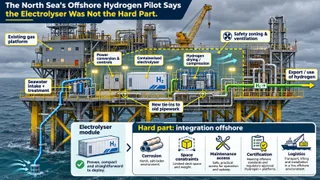
PosHYdon offshore hydrogen lessons for the UK North Sea
The PosHYdon pilot showed that an operating offshore platform could produce hydrogen and export it in its existing gas stream. At Q13a-A, a working oil and gas platform in the Dutch North Sea, getting the equipment, platform, pipeline and operators to work together proved harder than running the 1 MW-class electrolyser. UK project teams should settle three questions before ordering equipment. Who has authority over the whole system? How will the plant be powered? Who will accept the gas? TNO’s PosHYdon findings
What the pilot proved about producing hydrogen offshore
An electrolyser uses electricity to split water into hydrogen and oxygen. At Q13a-A, the team treated seawater before feeding it into the electrolyser. The platform then blended the hydrogen into its natural gas stream and sent it to shore through an existing pipeline under the conditions agreed for the trial. For more on the production process, see the guide to making hydrogen from seawater. TNO’s PosHYdon project overview
The pilot secured approval to raise the permitted hydrogen share from 0.02% to 0.5% by volume after assessing the effects on infrastructure, gas quality and metering. Those limits applied to the Dutch trial. A UK project would need its own assessment of the pipeline and receiving facilities, including what gas composition the receiving operator can accept and how it will be measured. TNO’s account of the blending approval
Why remote control needed clear operating authority
Remote supervision is harder when different suppliers provide the water treatment, electrolysis and gas export equipment. If the export system stops accepting gas, the hydrogen plant has to respond as part of the wider platform operation. Before ordering equipment, agree which alarms reach the control room, who can start or stop production, what happens if communications fail and who can authorise a restart. PosHYdon final report
The consortium’s final report recommends giving one organisation responsibility for the whole system and the authority to make decisions across suppliers and operators. That organisation can require a joint test onshore, with the equipment connected as it will be offshore. The teams can then check how alarms and shutdowns work across the system. Finding a mismatch onshore gives suppliers time to fix it before repairs depend on offshore access and weather windows. PosHYdon final report · Nexstep’s account of the onshore trial
How much hydrogen can a 1 MW pilot produce?
The Netherlands Enterprise Agency gives a design figure of up to about 400 kg of hydrogen per day for PosHYdon. The 1 MW rating describes the electrolyser’s electrical power. The daily figure describes how much hydrogen it was designed to produce. To estimate annual deliveries, you need operating hours, output at different loads, downtime and measurements of how much hydrogen entered the export stream. Netherlands Enterprise Agency offshore wind innovation guide
For a cost comparison, ask how much electricity the whole installation uses per kilogram delivered, including water treatment and cooling. Factor in power prices, platform modifications, offshore installation and maintenance, and any work needed on the export route or at the receiving plant. UK retrofit costs and service life depend on the host platform, the power supply and how much export infrastructure can be reused. The pilot findings leave both questions open for UK projects. PosHYdon final report
What UK projects should check before choosing an electrolyser
Start with the proposed platform and the terminal that would receive the gas. Even with spare deck space, a platform may lack the electrical capacity, lifting access or maintenance clearance the plant needs. A nearby pipeline is useful only if the receiving terminal can accept the proposed gas composition. Finding either constraint early can change the size or location of the project and may make onshore electrolysis worth comparing. North Sea Transition Authority offshore hydrogen overview
Overview
Check the consent route while the design is still flexible. The Health and Safety Executive explains how offshore safety requirements apply to hydrogen production, including the relevant safety case and emergency arrangements. The North Sea Transition Authority authorises the construction and use of hydrogen pipelines on the UK Continental Shelf. Marine and environmental permissions depend on where the work takes place and what it involves. Confirm which requirements apply to the host installation and export route before scheduling work on the assumption that existing infrastructure can be reused. HSE guidance on offshore hydrogen production · NSTA pipeline consents · Scottish Government guidance on offshore hydrogen consenting
What offshore hydrogen could mean for UK homes and businesses
The findings are most relevant to offshore developers and industrial buyers with a defined need for hydrogen, such as a process that already uses it as a feedstock. A buyer needs to specify purity, delivery pressure and how much variation in supply its process can tolerate. A small share of hydrogen blended into natural gas and a dedicated hydrogen supply at an agreed purity serve different uses. For another industrial application, see how hydrogen hybrid engines work. North Sea Transition Authority offshore hydrogen overview · TNO’s PosHYdon findings
The pilot offers no basis for assuming that homes, farms or small businesses will receive hydrogen. If you’re weighing up solar, a battery or a heat pump, start with your property’s electricity and heating demand. For balcony solar, check shading, mounting options and the building’s requirements. If you run a farm or business, check when you use the most electricity and whether those hours coincide with solar generation before you compare solar for your business. Kilowatts’ electrical installer directory can help you explore options for your property and energy use.
Solar comparison
Compare solar for your property
Enter your postcode to assess your roof, compare solar options and get quotes from UK installers.
- Free postcode start
- Home, business and industrial
- RoboMo™ maps your roof
See which panels fit your roof
Choose home, business or industrial, then enter your postcode. RoboMo maps the roof and ranks panel brands by fit.
1. Postcode Start the assessment for your property.
2. Pin the roof Mark the array on the map.
3. Compare RoboMo™ builds your options.

Battery ROI tool
See what a battery saves on your bill
Enter the day rate, off-peak rate and export rate. The calculator ranks batteries in the Kilowatts shop over 10 years. Home batteries also suit offices and small commercial sites.
Reading
Sources and further reading
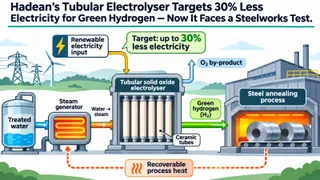
See how Hadean’s tubular electrolyser pilot for steel annealing in Victoria will test a 30% electricity saving and what UK manufacturers should measure.
Read article
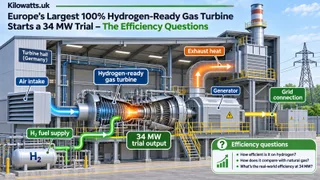
See what Lingen’s 34 MW hydrogen gas turbine trial could reveal about net grid export, round-trip efficiency and backup power for the UK grid.
Read article
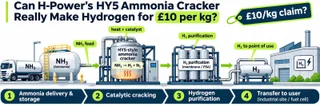
See what H-Power’s HY5 ammonia cracker offer covers and how minimum volumes and compression affect the £10/kg hydrogen price for UK industrial sites.
Read article
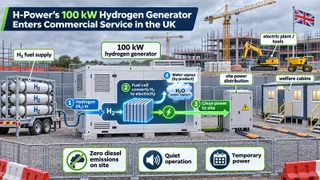
H-Power's 100 kW LC100dc hydrogen generator starts paid work on a UK construction site. Compare usable output and fuel needs with diesel and grid power.
Read article



Mo's Solar Mission
Mo's Mission Nominations
Garlinge Primary School and Nursery
Garlinge Primary School and Nursery is a foundation primary school on Westfield Road in Margate, Kent, for children aged 3 to 11. It is m...
St Luke's Church of England Primary SchoolSt Luke's Church of England Primary School is a voluntary controlled Church of England primary school on Jubilee Road in Formby, Merseysi...
Comberbach Nursery and Primary SchoolComberbach Nursery and Primary School is a primary academy on Mather Drive in the village of Comberbach, near Northwich in Cheshire, for...
Locations
Solar installation near you
Write for Kilowatts.uk
Got a trade and something worth saying?
Write it here under your own name. Sign in, put a profile up, and start a guide. Pay only if you want more links from your articles out to your own site.
Register
Create a Kilowatts.uk account, or sign in if you already have one.
Author profile
Put your name, photo and experience on a public author page.
Start creating
Write a guide or a blog. Free authors can put one followed link to their own site in articles each month.
FAQ
Need Help? RoboMo's Got Answers
What did the PosHYdon offshore hydrogen pilot prove?
A working gas platform in the Dutch North Sea used treated seawater and electricity to make hydrogen. The platform blended the hydrogen into its natural gas stream and sent it to shore through an existing pipeline under the conditions agreed for the trial.
Why was the electrolyser the easier part of the pilot?
The water treatment, electrolyser and gas export systems had to work together, including when the pipeline could no longer accept gas. Operators needed clear authority over alarms, shutdowns and restarts. The pilot team recommended putting one organisation in charge of the whole system and testing the connected equipment onshore before installation.
How much hydrogen was the 1 MW electrolyser designed to produce?
PosHYdon was designed to produce up to about 400 kg of hydrogen a day. The 1 MW rating describes the electrolyser’s electrical power. Estimating annual deliveries requires operating hours, output at different loads, downtime and measurements of how much hydrogen reached the export stream.
Could UK projects blend hydrogen into an existing offshore gas pipeline?
It depends on the pipeline and the facilities that receive the gas. PosHYdon secured approval for a hydrogen share of up to 0.5% by volume under the Dutch trial conditions. A UK project would need to check pipeline suitability, the receiving terminal’s gas specification, metering and the permissions that apply.
What should a UK developer check before choosing an offshore electrolyser?
Check the platform’s available electrical capacity, including power for water treatment and cooling. Confirm that the deck can carry the equipment and that crews can lift it into place and reach it for maintenance. Agree who will accept the gas and how the whole installation will be controlled.
What should an industrial buyer check before agreeing to buy offshore hydrogen?
Set the purity and delivery pressure your process needs, and decide how much variation in supply it can tolerate. Check whether the supplier can deliver hydrogen at that specification. If your process needs a dedicated hydrogen supply, a small share blended into natural gas serves a different use.
Does the pilot mean UK homes will get hydrogen for heating?
The Dutch trial provides no basis for expecting UK homes to receive hydrogen for heating. If you’re considering solar panels, a battery or a heat pump, compare your options using your home’s current electricity and heating needs.
Live help
Need help right now?
Talk to RoboMo™ and get instant answers.