


What Solar Servicing Actually Includes
Published: 2026-08-13 22:28:28
Updated: 2026-08-17 04:17:19
Solar panels in the UK do not usually need constant attention, but a domestic solar PV system should not be treated as maintenance-free
Do UK solar panels need servicing?
Solar panels in the UK do not usually need constant attention, but a domestic solar PV system should not be treated as maintenance-free. A sensible service checks whether the panels, mounting, cabling, isolators, inverter, monitoring and any connected battery or solar diverter are safe, recorded and performing as expected.
How often servicing is worthwhile depends on the system age, roof condition, monitoring data, warranty terms, visible faults, output changes, access needs and whether extra equipment has been added. A new, well-monitored system with no warning signs may only need routine homeowner checks between professional inspections. An older system, inherited system, unexplained fault or poorly documented installation needs closer attention.
The practical rule is simple: monitor generation, keep paperwork together, avoid roof and DC electrical work yourself, and arrange a competent solar PV inspection when there are symptoms, safety concerns or uncertainty. Cleaning can be part of maintenance, but it is not the same as servicing.
What solar servicing actually includes
A proper solar PV service starts with the system record, not just the roof. The person attending should identify the installation date, inverter model, panel layout if available, monitoring access, warranty documents and any connected battery, hot water diverter, EV charger or export control equipment.
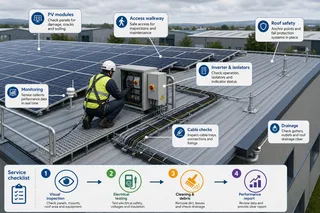
On site, the work may include visual inspection, inverter review, monitoring checks, accessible cable and isolator inspection, roof-mounted equipment observations and electrical testing where appropriate. Scope matters because a quick visual check, a clean, a full electrical inspection and a fault-finding visit are different jobs.
A useful service report should explain what was checked, what was found, what could not be accessed and what action is recommended. This is valuable if you later sell the property, make a warranty claim, ask another installer to repair a fault, or compare performance after roof work or changes in shading.
Connected equipment
Batteries, solar diverters, immersion controls, EV chargers and export-limiting equipment may need review if they affect how solar energy is generated, stored or used.Panels and mounting
The inspection may look for visible panel damage, slipped modules, loose fixings, corrosion, nesting material and signs that the array is no longer sitting correctly.Cabling and isolators
Accessible DC cables, connectors and isolators may be checked for damage, poor support, overheating, water ingress, missing labels or unsafe routing.Paperwork and records
MCS documents if applicable, DNO paperwork, warranties, manuals, commissioning records and past service reports help confirm what was installed and what has changed.Inverter and monitoring
The inverter status, fault history, ventilation, display, app connection and generation records can indicate whether the system is operating normally.
Servicing is not the same as cleaning
Solar panel cleaning is about the glass surface. Solar servicing is wider. It considers electrical safety, mechanical condition, inverter behaviour, monitoring, roof-mounted components and connected equipment. Clean panels can still have a failing inverter, damaged cable, loose mounting part or broken monitoring connection.
In many parts of the UK, rain helps remove light dust from tilted panels, but it does not solve every soiling problem. Bird mess, lichen, moss, leaf fall, pollution, salt exposure near the coast and very shallow roof pitches can all make cleaning more relevant. Do not assume that every reduction in output is caused by dirty panels.
Cleaning methods should be chosen carefully. Climbing onto a roof is unsafe without proper access arrangements. Aggressive methods such as pressure washing may not be suitable for the panel design or manufacturer’s instructions. If cleaning is needed, ask how it will be done, what access will be used and whether the method is compatible with your panels.
How often should a UK homeowner book solar servicing?
There is no single UK-wide rule that every domestic solar PV system must be serviced every year. The right interval depends on the property, the equipment, the monitoring quality and the risks. Manufacturer maintenance instructions, installer guidance, warranty conditions and observed performance should carry more weight than a generic calendar reminder. Many homeowners use a risk-based approach: regular monitoring by the household, with professional inspection when the system is older, poorly documented, showing errors, affected by roof work or not performing as expected. A professional service is also sensible after severe weather, bird activity, new shading, loss of monitoring or when buying a home with an existing solar installation.
| Situation | Servicing priority | What to check first |
|---|---|---|
| Newer system with working monitoring and no symptoms | Usually lower | Keep records, check app data and follow installer or manufacturer guidance |
| Older system with unclear paperwork | Higher | Identify inverter, warranties, DNO paperwork and service history |
| Red inverter light or repeated fault message | Higher | Record the message and arrange inspection rather than repeatedly resetting equipment |
| Output has dropped without an obvious seasonal reason | Higher | Compare with previous years and check for shading, monitoring faults and inverter behaviour |
| Bird activity, roof work or storm exposure | Higher | Look for damage, nesting material, disturbed cables and roof issues from ground level |
| Battery, diverter or export control fitted | More system-specific | Confirm settings, priorities, communication and safe operation |
Overview
This approach avoids unnecessary call-outs while still treating the system as a long-term electrical asset. A well-documented array with reliable monitoring is easier to manage than one where the owner does not know what was installed, how it is connected or whether it is producing normally.
What homeowners can safely check themselves
The safest homeowner checks are ground-level, visual and data-based. You do not need to climb onto the roof, open an inverter, remove covers or touch DC cabling to spot many early warning signs. Your aim is to notice changes and give a competent professional useful information, not to diagnose live electrical faults yourself.
Monitoring is usually the best starting point. A single dull day proves very little in the UK, but a pattern of unusually low generation compared with similar months in previous years is worth investigating. App or Wi-Fi problems can also look like generation problems, so check whether the inverter itself appears to be operating.
If anything smells hot, shows signs of water ingress, repeatedly trips, displays a fault or appears physically damaged, stop treating it as routine maintenance. Do not remove covers, touch damaged cables or keep resetting equipment in the hope that the issue clears.
When you need a professional solar PV service
A professional visit is needed when the work involves roof access, DC electrical testing, inverter fault-finding, damaged cabling, suspected water ingress, mounting issues, repeated tripping or connected battery equipment. Solar PV systems can include high-voltage DC circuits, so this is not comparable with checking an ordinary plug-in appliance.
You should also arrange a proper inspection if you have inherited a system with missing documents. Many UK homeowners buy a property with panels already fitted but no monitoring login, no inverter manual, no commissioning information and no clear idea whether warranties still apply. A service can establish a baseline and identify what records are missing.
For systems with batteries, hybrid inverters, solar diverters or EV charging integration, the professional should understand how the equipment works together. A hot water diverter may be operating correctly, but if a battery is also fitted, the settings and priorities can change what you see in the monitoring app.
Typical cost and frequency expectations
It is not sensible to give one fixed UK price for solar servicing because the scope varies so much. A basic visual and inverter check on an accessible system is very different from electrical testing, roof access, bird protection work, panel cleaning, fault diagnosis, battery investigation or tracing an undocumented installation. Ask for the proposed scope in writing before comparing quotes.
Frequency is also system-specific. Some homeowners will only need occasional professional checks alongside regular monitoring, while others will need prompt attention because of age, faults, roof work, poor access, missing paperwork or warranty-sensitive equipment. Manufacturer instructions and warranty terms should always be checked because some products have specific maintenance expectations.
The main cost drivers are practical. Access, roof layout, system complexity, electrical testing requirements, cleaning, repair work and the quality of reporting all affect what the visit involves.
Service scope
Cleaning, electrical testing, fault diagnosis and bird protection are separate tasks unless the quotation clearly includes them.System complexity
Batteries, hybrid inverters, diverters, EV chargers and export controls take longer to assess properly than a simple PV-only system.Reporting standard
A clear report with photos, test results where taken and recommendations is more useful than a verbal “all fine”.Access requirements
Steep pitched roofs, conservatories, extensions, narrow side access and fragile roof coverings can make inspection more complex.Documentation quality
Missing handover packs, unknown string layouts and absent monitoring details can turn a routine visit into an identification exercise.
If a provider offers a very cheap visit, check what is excluded. It may be a visual glance or cleaning appointment rather than a meaningful solar PV service.
What changes the scope of a service?
The roof is often the biggest practical variable in UK homes. A low, simple array on a clear roof is easier to inspect than panels above a conservatory, on a steep slate roof, across several roof faces or behind difficult access. Safe working-at-height arrangements can be a significant part of the job.
The age of the system also matters. Older inverters may have limited monitoring support, labels may have faded, cable clips may have degraded and the original installer may no longer be involved. If you are unsure what counts as normal ageing, it helps to understand how long panels last before assuming a fault. Newer systems may include more communication links between batteries, inverters, smart meters, diverters and EV chargers.
The service should match the problem you are trying to solve. If the system is generating normally but you want reassurance, a condition check may be enough. If there is a fault code, repeated tripping or unexplained loss of output, you need fault-finding rather than a routine clean.
Common problems found during solar maintenance
Many solar issues are not visible from the ground. Loose cable clips, poor cable support, water ingress in isolators, degraded connectors, nesting material, shading changes and poor inverter ventilation can all reduce reliability or create safety concerns without making the panels look obviously damaged.
Low output is not always a panel problem. UK weather and seasonality cause large natural variation, especially between summer and winter. A competent assessment considers orientation, pitch, shading, historic generation, inverter behaviour, string performance where tested and monitoring reliability before blaming dirt or assuming a major fault. It can also help to understand what affects solar panel efficiency before booking work purely because generation looks lower than expected.
One common mistake is to ignore inverter warnings because the panels still look fine. Another is to focus only on cleaning when the real issue is a tripped circuit, failed monitoring connection, string fault, inverter problem or configuration change after extra equipment has been installed.
What about solar diverters, batteries and EV chargers?
Solar servicing should include connected equipment when it affects how your solar energy is generated, stored, exported or used. A battery, solar diverter or EV charger may not change the panels themselves, but it can change household priorities and make performance data harder to interpret.
For example, a hot water diverter may send surplus solar electricity to an immersion heater once household demand is met. If a battery is also fitted, the installer needs to understand which device is meant to take priority and whether the settings still match your usage. Lower export may be good news if more solar energy is being used on site, but it can be confusing without context.
Routine servicing should not be used as cover for unauthorised system alteration. Changes to inverter capacity, battery configuration, export settings or grid connection arrangements may need proper assessment under the relevant DNO process. G98 and G99 considerations can matter where generation capacity, export limits or equipment changes affect the grid connection. If you are considering changes rather than maintenance, read up before you add a battery to an existing system.
Documents to keep with your solar system
Good paperwork makes servicing faster and more accurate. It helps the person attending understand what should be on the roof, how the strings are arranged, what inverter was installed, which warranties may apply and whether later additions were made properly.
If you do not have the documents, a service can still be worthwhile, but the first visit may involve more identification work. That can include recording model numbers, checking monitoring access, confirming what equipment is present and building a basic asset record for future maintenance.
Keep these records together rather than scattered across emails, apps and old folders. If you sell the property, clear records can reduce uncertainty for the buyer and their solicitor.
Competence and safety signals to look for
Choose a provider based on competence, scope, safety arrangements and clarity rather than the shortest or cheapest visit. Domestic solar servicing can involve roof work, electrical testing, live system diagnosis, battery equipment and warranty-sensitive decisions, so the person attending needs relevant solar PV experience.
Useful competence signals can include solar PV installation or maintenance experience, familiarity with MCS-style handover documents, appropriate electrical competence through recognised UK industry schemes or trade bodies, manufacturer training where specific inverters or batteries are involved, suitable insurance and clear working-at-height arrangements. These signals do not replace checking the actual scope of work.
Ask practical questions before booking. A good provider should be able to explain what they will inspect, what they will not inspect, whether electrical testing is included, how roof access will be managed and what you will receive afterwards.
Solar PV experience
Ask whether they regularly work on domestic PV systems rather than only general roof cleaning or general electrical work.Electrical competence
Ask who will carry out any testing or fault-finding and what evidence of competence they can provide. If you are unsure what to ask, this guide to choosing a qualified electrician can help frame the conversation.Working-at-height plan
Ask how they will inspect roof-mounted equipment safely and whether scaffolding or specialist access is needed.Insurance and reporting
Ask for confirmation of insurance and whether the report includes photos, findings, test results where relevant and recommendations.Manufacturer familiarity
Ask whether they have experience with your inverter, battery or diverter brand, especially if the product is under warranty.
If the system is under warranty, check the manufacturer’s instructions or the original installer’s requirements before authorising work. Some repairs or replacements may need to follow a defined process to avoid warranty disputes.
Standards, guidance and records that affect servicing
A homeowner does not need to become a solar engineer, but it helps to know which sources of information matter. Manufacturer maintenance instructions are important because they explain how the product should be cared for and what may affect warranty cover. The installation handover pack should show what was installed and how it was commissioned.
MCS documentation may be relevant where the original installation was MCS-certified, particularly for records, workmanship expectations and evidence when selling a property or dealing with warranties. If you are checking old paperwork, it may help to understand what MCS certification means in the context of UK solar installations. DNO notification or connection paperwork is also important because it records how the system was connected to the electricity network and whether any export arrangements were agreed.
Safety guidance matters too. Roof access should follow sensible working-at-height principles, and electrical inspection should be carried out by someone competent for the task. A service provider should not ask you to climb onto the roof, open DC equipment or make repeated resets of a system that is showing a fault.
Sensible next steps for UK homeowners
Start by checking your monitoring, inverter status and paperwork. If the system is producing normally, there are no visible concerns and your documents are clear, keep monitoring performance and follow the installer’s or manufacturer’s guidance. If something is unclear, unsafe or underperforming, book a proper inspection rather than guessing.
Before contacting a provider, gather the installation date, inverter make and model, photos of the inverter display, recent generation data, any error messages and notes about roof work, bird activity or new shading. This helps them decide whether you need routine servicing, cleaning, fault diagnosis, battery support or a more detailed repair visit.
Solar servicing is most valuable when it gives you evidence: what is working, what needs attention and what should be watched next. Treat it as part of owning a long-term electrical system on your roof, not as a yearly sales ritual. If servicing shows your system is outdated or replacement is more sensible than repair, you can compare home solar options before deciding what to do next.
Plan, Compare & Buy Renewable Energy Solutions
AI does the thinking.
You get the perfect solar match.
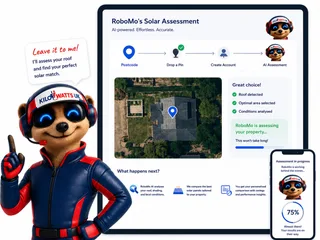
Use RoboMo™ to assess your property, compare available technologies and connect with trusted UK installers, suppliers and manufacturers.
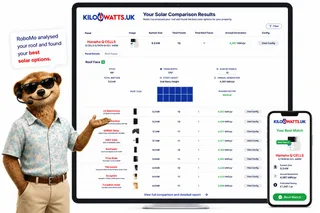
Simply enter your postcode, drop a pin on your roof, create your free account and let RoboMo™ analyse your property to find the best solar panels for your home.
You don't have to think
RoboMo™'s AI analyses your roof and does all the hard work.

Accurate & tailored
AI-powered assessment based on your roof, location, and conditions.

Best options, maximum savings
Compare top solar panels for the best performance and value.

Simple, fast & effortless
Provide a few details, sit back and watch your results unfold.
STEP 1
Choose Home, Business or Industrial
Enter your postcode to start your assessment.
STEP 2
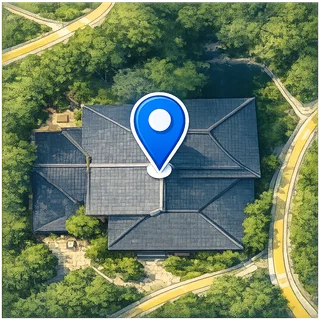
Drop a pin on your roof
STEP 3

Create your free account
STEP 4

Sit back and watch RoboMo™ work
RoboMo™ analyses your roof and builds your personalised solar comparison.

Kilowatts UK is an authorised representative
Flower Turbines
Compact vertical-axis turbines built for real UK sites, not just open farmland.
They start in light wind, sit in a small footprint, and are bird-safe by design. Cluster them as a bouquet and the group performs better together than the same turbines standing alone. Enter your postcode for a location-based generation estimate. Figures use area weather data and will differ if buildings, trees or hills sit in the way.
Starts in light UK wind
Built to generate in typical UK wind, not only open farmland.
Small rooftop or ground footprint
Compact towers for roofs, yards and tight sites.
Bird-safe slow rotation
Slow vertical-axis spin, bird-safe by design.
Bouquet clusters raise output
Grouped turbines outperform the same units standing alone.
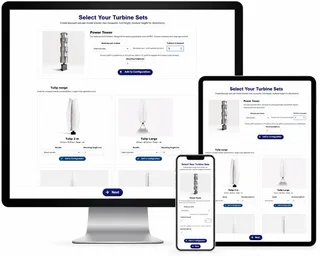
Step 1
Enter your postcode
Start designing your wind energy system in seconds.
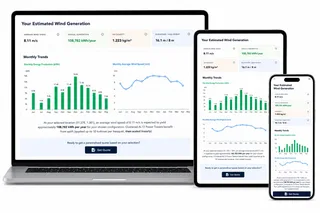
STEP 2

Choose a location
STEP 3
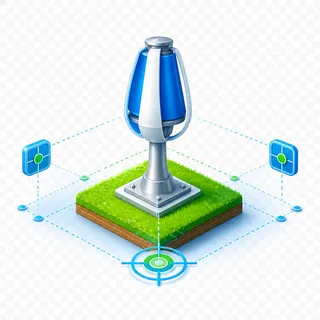
Place your cluster
Tap the map where you want the turbine cluster to go.
STEP 4

Instant generation forecasts
Compare different turbine layouts and see annual generation forecasts instantly.
STEP 5

No commitment required
Explore different configurations before deciding whether to request a quotation.
Related articles
Mo's Mission Nominations
FAQ
Need Help? RoboMo's Got Answers
Do solar panels in the UK need regular servicing?
Solar panels do not usually need constant attention, but a domestic solar PV system should not be treated as maintenance-free. Monitoring, visual checks and keeping records are useful, with professional servicing when there are faults, safety concerns, poor documentation or performance changes.
How often should I book a solar PV service?
There is no single UK-wide servicing interval that suits every home. The right timing depends on the system age, monitoring data, roof condition, warranty guidance, visible faults and any connected equipment such as a battery or diverter. Check manufacturer and installer instructions before relying on a generic yearly schedule.
What does a solar panel service include?
A proper service should look beyond the panels themselves. It may include checking records, inverter status, monitoring, accessible cabling, isolators, mounting condition and any connected battery, solar diverter or EV charger. The report should say what was checked, what could not be accessed and what action is recommended.
Is solar panel cleaning the same as servicing?
No. Cleaning deals mainly with dirt on the glass, while servicing looks at safety, performance, wiring, mounting, inverter behaviour and system records. Clean panels can still have a damaged cable, failing inverter, loose mounting part or monitoring fault.
What can I safely check myself?
You can check app data, inverter messages and obvious visible issues from ground level. Compare generation with similar seasons rather than one cloudy day, and note any new shading, heavy soiling or fault messages. Do not climb onto the roof, open equipment covers or touch DC cabling.
When should I call a professional solar PV engineer?
Arrange a professional inspection if there are repeated fault messages, tripping, signs of overheating, water ingress, damaged cabling, roof access needs or suspected mounting issues. You should also get help if you have bought a home with solar panels but little paperwork or no monitoring access. Battery and hybrid inverter systems should be checked by someone who understands the whole setup.
Why has my solar output dropped?
Lower output can be caused by normal UK seasonality, cloudy weather, shading, soiling, monitoring problems, inverter faults or string issues. A single dull day is not enough to prove a fault. Compare with previous years and check for warnings before assuming the panels need cleaning or replacement.
Should batteries, solar diverters and EV chargers be included in servicing?
They should be considered if they affect how your solar energy is stored, exported or used in the home. Settings and priorities can change what you see in the monitoring app, especially where a battery and hot water diverter are both fitted. Routine servicing should identify issues, not make unauthorised system changes.