


solar maintenance uk: UK homeowner guide
Published: 2026-08-10 14:44:15
Updated: 2026-08-25 00:25:51
Solar maintenance UK homeowners need is usually light, but it should be organised. Most domestic solar PV systems do not need constant servicing.
Solar maintenance UK homeowners actually need
Solar maintenance UK homeowners need is usually light, but it should be organised. Most domestic solar PV systems do not need constant servicing. The essentials are monitoring generation, checking visible condition safely from the ground, acting on inverter or monitoring faults, and using a competent solar or electrical professional for testing, repairs and roof access.
The practical answer is simple: check your monitoring regularly, compare output with the season and weather, look for obvious damage or soiling without climbing, keep your handover documents, and book professional help when there is an error code, unexplained underperformance, roof work, older equipment, battery issues, or a suspected electrical fault. Cleaning can help, but it is not a substitute for proper fault diagnosis.
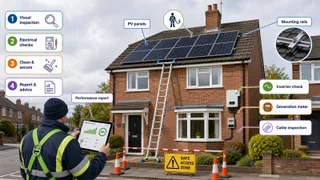
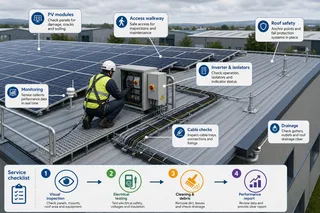
A well-maintained system is more than clean panels. In real homes, the inverter, isolators, cabling, roof fixings, labels, monitoring connection, shading changes, export arrangement and any battery or EV charger can all affect safety and performance. Good maintenance is proportionate: regular observation by the homeowner, competent inspection when needed, and no unsafe DIY work on roofs or electrical equipment. If you are trying to judge whether output looks normal, it helps to understand how solar works before assuming there is a fault.
What should be included in a solar maintenance check
A useful solar maintenance check starts with evidence rather than a ladder. Your monitoring app, inverter display, generation meter, export readings and electricity bills can show whether the system is behaving broadly as expected for the season. A winter week will not match a bright June week, so the aim is to spot unusual changes, not chase identical daily numbers.
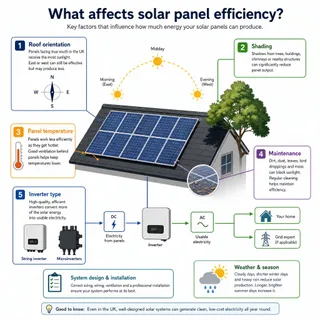
A competent inspection should then consider whether the system is safe, weatherproof and correctly connected. The person attending should be able to distinguish between a panel problem, inverter fault, grid disconnection, monitoring issue, roof defect or shading change, because each has a different remedy and cost implication. Shading, pitch, orientation and temperature can all change output, so it is useful to understand what affects efficiency before treating every dip as a maintenance problem.
Inverter status
Reviews warning lights, fault codes, firmware or communication problems, overheating signs and unexpected shutdowns.Monitoring review
Checks whether generation has changed in a way that cannot be explained by weather, season, shading or household demand.Documentation check
Confirms the installed equipment, warranties, commissioning records, generation meter details and any previous alterations.Electrical condition
Reviews accessible isolators, labels, cabling, containment and visible signs of heat damage, corrosion or water ingress.Visible roof and panel condition
Looks for cracked glass, slipped panels, loose-looking fixings, bird fouling, debris, water staining or new shading.
For many homes, a maintenance visit will not involve removing panels or opening every enclosure. More intrusive work is normally justified by a fault, water ingress, suspected installation defect, roof work, inverter replacement, battery addition or evidence that the original installation was poorly documented.
How often should solar panels be serviced in the UK
There is no single servicing interval that suits every UK solar system. A newer, well-monitored installation on a clear, accessible roof may only need regular homeowner checks and occasional professional attention. An older system, a flat or shallow-pitched roof, a coastal property, heavy bird activity, repeated inverter trips or missing documentation can justify closer review. A sensible maintenance cadence separates simple observation from professional inspection. Homeowners can do frequent low-risk checks without touching electrical equipment or accessing the roof. Professional attendance should be driven by faults, age, access needs, warranty conditions, planned roof work or system changes. For older arrays, it is worth knowing how long panels last so you can separate normal ageing from a serviceable fault.
| Situation | Homeowner action | When to book professional help | What usually drives scope and cost |
|---|---|---|---|
| Normal generation and working monitoring | Check the app or inverter display regularly and compare with season and weather | Occasional inspection if the system is older or documentation is poor | Time on site, system complexity and whether roof access is needed |
| Monitoring has stopped updating | Check internet connection, app access and obvious power supply issues | If you cannot confirm the system is generating or exporting | Communications fault-finding and possible manufacturer support |
| Visible dirt, bird mess or leaf debris | Inspect safely from ground level and note whether output seems affected | If soiling is persistent, heavy or difficult to reach safely | Access method, roof height, panel layout and cleaning approach |
| Inverter error or repeated shutdown | Record the error code and take clear photos | Promptly, especially if generation has stopped | Diagnosis time, parts availability, warranty status and inverter age |
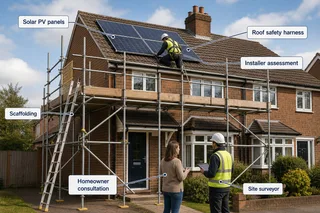
| Roof work near the array | Tell the roofer that solar PV is present before work starts | Before panels are disturbed, removed or scaffolded around | Solar isolation, removal, reinstatement and waterproofing checks |
| Battery, EV charger or extra panels planned | Gather existing system documents and export information | Before ordering equipment or altering the design | Design review, DNO process, compatibility and electrical works |
Overview
This schedule should be adapted to the property. A system under trees, near nesting birds or on a complex roof needs more attention than an open, steep roof with reliable monitoring. After storms, scaffold work, chimney repairs, loft conversions or roof leaks, it is worth checking the system again even if the panels look unchanged from the ground.
Cleaning solar panels: useful, optional or unnecessary
Solar panel cleaning is sometimes worthwhile, but it is not a default requirement for every UK home. Rain removes some dirt, but it does not reliably clear bird mess, lichen, heavy dust, leaf debris, sap or grime that collects at the lower edge of shallow-pitched panels. The right question is whether the soiling is persistent and likely to affect generation or long-term condition.
Cleaning is more likely to help where panels sit at a low pitch, birds regularly perch above the array, trees drop leaves or sap, nearby work has left dust, or there is obvious build-up that does not wash away. It is less likely to be urgent on a steep, open roof with normal generation patterns and no visible dirt.
Do not climb onto a roof, lean out of windows, walk on panels or use a pressure washer as a shortcut. The safety risk is significant, and the wrong method can damage glass, seals, frames, roof coverings, cabling or warranties. If cleaning is justified, use a provider who can explain the access method, avoids harsh chemicals and understands that solar cleaning is not the same as general window cleaning.
What affects solar maintenance costs and savings
Solar maintenance costs vary because the job can range from a remote monitoring review to a site inspection, panel cleaning, fault diagnosis, inverter replacement, roof remedial work, bird-proofing review, battery checks or monitoring repair. Without a specific site survey and scope of work, headline price ranges can be misleading, especially where access equipment, scaffold, manufacturer support or replacement parts are involved.
The most useful cost guidance is to ask what is included and what is excluded. A brief visit that confirms an inverter light is on is not the same as a structured inspection with electrical testing, documentation review, roof observations and a written fault summary. Cleaning priced without safe access can also become poor value if the real issue is an inverter or export fault.
Documentation
Request a record of findings, photos where useful and any recommendations separated into urgent safety work and optional improvements.Cleaning scope
Confirm how the roof will be accessed, what water or tools will be used and whether the provider will avoid pressure washing and abrasive methods.Fault diagnosis
Check whether the provider can investigate DC and AC-side issues, interpret inverter errors and liaise with manufacturers where appropriate.Inspection scope
Ask whether the visit includes inverter checks, accessible isolator checks, visual roof observations, monitoring review and written findings.Replacement parts
Ask how inverter, isolator, connector, monitoring or battery component replacements are quoted and whether warranty routes will be checked first.Access requirements
Clarify whether ladders are sufficient, whether scaffold is needed and whether roof type or height changes the approach.
Maintenance can protect savings by reducing downtime, restoring monitoring, identifying failed export, correcting settings or catching faults before wider disruption. It should not be sold as a guaranteed generation boost by a fixed percentage, because output depends on weather, orientation, pitch, shading, equipment condition, grid behaviour and how much electricity the home can use or export. If inspection shows the system is beyond sensible repair or you are weighing replacement against upgrades, it may be time to compare home solar options.
UK standards, competence and safety points homeowners should know
Solar PV maintenance sits between roofing, electrical work and grid-connected generation. Homeowners can observe performance and visible condition, but should not open electrical enclosures, alter wiring, disconnect DC connectors, access a roof without proper precautions or attempt electrical testing. DC solar circuits can remain live in daylight, so safe isolation and competent working methods matter.
When choosing someone for inspection or repair, look for relevant competence rather than a generic “solar service” label. For installations and substantial alterations, MCS certification is commonly relevant to consumer handover expectations and eligibility pathways connected with recognised installation schemes. Electrical work should be carried out by people competent to work to BS 7671 requirements, with appropriate safe isolation procedures and test equipment. If you are checking your paperwork, this guide explains what MCS means for UK solar installations.
Safe roof work
HSE roof-work guidance is clear that falls from height are a serious risk, so access should be planned rather than improvised.MCS documentation
A well-kept handover pack helps identify equipment, commissioning records, warranties and system design assumptions.DNO process knowledge
A competent provider should understand when G98 or G99 requirements may be relevant for changes to generation, inverter capacity, batteries or export arrangements.Electrical registration
NICEIC or NAPIT registration can help homeowners identify electrical contractors who are subject to assessment, although you should still confirm solar PV experience.Manufacturer accreditation
Some inverter and battery manufacturers require approved installers for warranty support, commissioning access or advanced diagnostics.Consumer protection membership
RECC or HIES membership may be relevant where a company is selling domestic renewable energy work, but membership alone does not prove fault-finding competence.
DNO involvement is not normally needed for a simple visual inspection or panel clean. It can become relevant if the design changes, such as adding panels, changing inverter capacity, fitting a hybrid inverter, adding battery storage with export capability or altering export limits. Smart Export Guarantee arrangements are also worth checking if export metering, supplier accounts or system changes affect how exported electricity is recorded.
Common solar maintenance mistakes to avoid
The most common mistake is assuming that no visible problem means the system is working properly. If monitoring has stopped reporting, an inverter has an unnoticed fault or export readings have changed, underperformance can continue for months before it appears clearly in bills.
Another mistake is treating cleaning as the whole maintenance plan. Clean panels are useful only if the inverter, isolators, cabling, roof fixings, monitoring and export arrangements are healthy. Equally, a vague “service” is not very helpful unless the provider explains what has been checked, what was not accessible and what evidence supports the recommendation.
Keep your handover documents rather than throwing them away. A good maintenance record is simple but valuable: invoices, fault notes, photos, inverter model details, warranty information, MCS documents where applicable, DNO correspondence and supplier export information should stay together, especially if you later sell the property or add a battery.
When to call a professional solar servicing company
Call a professional if the inverter shows an error, generation falls unexpectedly, the system stops exporting, you see damaged panels or cables, roof work is planned near the array, or you smell burning, see heat damage or suspect water ingress around electrical equipment. If there is any sign of electrical damage, do not investigate inside enclosures yourself.
Professional solar servicing is also sensible for older systems where the original installer is no longer available. In that situation, the first visit may be about identifying what has been installed, checking labels and documents, confirming monitoring access, and deciding whether further testing or manufacturer support is needed.
When speaking to a provider, be specific. Explain the system size if you know it, the inverter make and model, installation age, what has changed, and what the monitoring shows. Clear photos of the inverter, isolators, consumer unit, generation meter and any visible roof issue can help the right person prepare properly.
How maintenance changes if you have a battery or EV charger
A solar PV system with a battery or EV charger has more interactions to check. The panels may be generating correctly while battery settings, charge schedules, tariff windows, export limits, charger priority or monitoring permissions make the system look wrong. Maintenance should therefore consider the whole energy setup, not the roof array alone.
Battery systems add questions about usable capacity, charge and discharge limits, backup circuits, ventilation, location, firmware, warranties and whether the inverter is AC-coupled or hybrid. Not all batteries provide whole-home backup during a power cut, and a maintenance provider should not assume backup capability unless the system was designed and installed for it.
If you plan to add a battery later, use a maintenance visit to check practical constraints. Consumer unit space, meter position, cable routes, internet connection, inverter compatibility, DNO requirements, export settings and manufacturer support can all affect the design. A routine inspection can become a useful planning step if it identifies these constraints before equipment is ordered, especially if you want to add a battery to an existing solar system.
A practical solar maintenance checklist for homeowners
A homeowner checklist should be safe, simple and evidence-led. You are not trying to perform electrical testing or roof work. You are trying to notice changes early and give a competent professional useful information if something is wrong.
Use the same approach each time so you can compare like with like. Check more carefully after storms, scaffold work, roof repairs, internet changes, supplier changes, battery setting changes or long periods when you have not looked at the monitoring.
If anything looks wrong, write down when you first noticed it and whether anything changed around that date. This can save time during fault diagnosis and reduce the chance of paying for the wrong type of visit.
What to do next if you are unsure
Start with the evidence you already have. Check whether the inverter is on, whether the monitoring app is updating, whether generation broadly follows the weather, whether export readings look plausible and whether anything has changed around the roof or electrical system. If you find an error code, visible damage, persistent soiling or unexplained underperformance, speak to a competent solar professional.
Do not feel pressured into unnecessary work. A good provider should be able to explain whether you need inspection, cleaning, repair, monitoring reconnection, manufacturer support or a design review. They should also be clear about what they can and cannot confirm without roof access, electrical testing or documents.
The practical next step is to gather your handover pack, recent generation data, export information and clear photos before requesting help. That makes the conversation faster, reduces guesswork and gives you a better chance of choosing the right maintenance action first time.
Plan, Compare & Buy Renewable Energy Solutions
AI does the thinking.
You get the perfect solar match.
Use RoboMo™ to assess your property, compare available technologies and connect with trusted UK installers, suppliers and manufacturers.
Simply enter your postcode, drop a pin on your roof, create your free account and let RoboMo™ analyse your property to find the best solar panels for your home.
You don't have to think
RoboMo™'s AI analyses your roof and does all the hard work.

Accurate & tailored
AI-powered assessment based on your roof, location, and conditions.

Best options, maximum savings
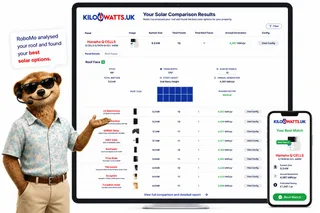
Compare top solar panels for the best performance and value.

Simple, fast & effortless
Provide a few details, sit back and watch your results unfold.
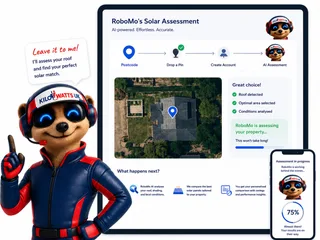
STEP 1
Choose Home, Business or Industrial
Enter your postcode to start your assessment.
STEP 2
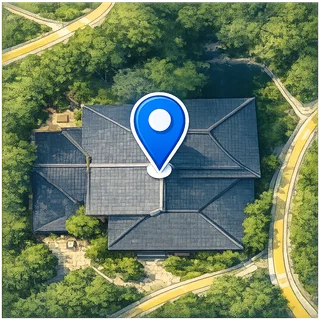
Drop a pin on your roof
STEP 3

Create your free account
STEP 4

Sit back and watch RoboMo™ work
RoboMo™ analyses your roof and builds your personalised solar comparison.

Step 1
Enter your postcode
Start designing your wind energy system in seconds.
Are you an installer, distributor or renewable energy business?
Kilowatts UK is expanding the Flower Turbines partner network across the UK.
Become A Flower Turbines PartnerKilowatts UK is an authorised representative
Flower Turbines
Compact vertical-axis turbines built for real UK sites, not just open farmland.
They start in light wind, sit in a small footprint, and are bird-safe by design. Cluster them as a bouquet and the group performs better together than the same turbines standing alone. Enter your postcode for a location-based generation estimate. Figures use area weather data and will differ if buildings, trees or hills sit in the way.
Starts in light UK wind
Built to generate in typical UK wind, not only open farmland.
Small rooftop or ground footprint
Compact towers for roofs, yards and tight sites.
Bird-safe slow rotation
Slow vertical-axis spin, bird-safe by design.
Bouquet clusters raise output
Grouped turbines outperform the same units standing alone.
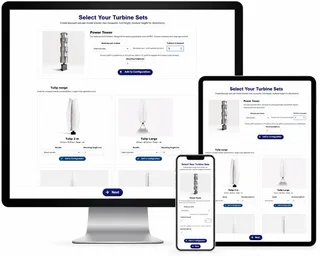
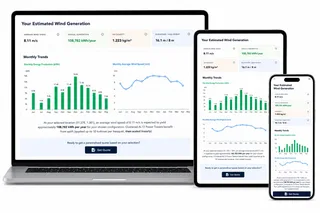
STEP 2

Choose a location
STEP 3
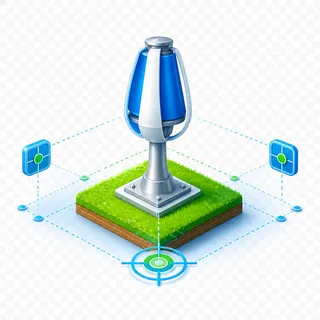
Place your cluster
Tap the map where you want the turbine cluster to go.
STEP 4

Instant generation forecasts
Compare different turbine layouts and see annual generation forecasts instantly.
STEP 5

No commitment required
Explore different configurations before deciding whether to request a quotation.
Related articles
Mo's Mission Nominations
FAQ
Need Help? RoboMo's Got Answers
How often should I check my solar panels in the UK?
Check your monitoring app, inverter display or generation meter regularly so you know what normal output looks like. Compare performance with the season and weather rather than expecting the same output every day. Book professional help if output drops unexpectedly, monitoring stops working, or an inverter shows an error.
Do UK solar panels need regular servicing?
Most domestic solar PV systems do not need constant servicing, but they should not be ignored. Homeowner checks, good monitoring and prompt action on faults are usually more useful than routine visits with no clear scope. Older systems, poor documentation, roof work, repeated trips or battery issues may justify a professional inspection.
Should I clean my solar panels?
Cleaning can help if there is persistent bird mess, leaf debris, lichen, sap or dirt that rain has not removed. It is less urgent on a steep, open roof where generation looks normal. Do not climb onto the roof, walk on panels or use a pressure washer; use a competent provider with a safe access method.
What are the signs that my solar PV system needs maintenance?
Warning signs include inverter error codes, repeated shutdowns, stopped monitoring, unexplained low generation, visible cracked panels, loose-looking fixings or signs of water ingress. Sudden changes after storms, scaffold work or roof repairs should also be checked. Take photos and note error messages before contacting a professional.
Can I carry out solar maintenance myself?
You can safely monitor output, keep records, check visible condition from the ground and make sure your internet connection is not the cause of a monitoring fault. You should not open electrical equipment, disconnect solar connectors, alter wiring or access the roof without proper precautions. Solar DC circuits can remain live in daylight, so electrical work should be left to competent professionals.
What should a professional solar maintenance visit include?
A useful visit should review monitoring data, inverter status, accessible isolators, visible cabling, labels, roof and panel condition, and any obvious shading or soiling issues. The contractor should explain what was checked, what was not accessible and what evidence supports any recommendation. Ask for written findings, especially if repairs or replacement parts are suggested.
Who should I use for solar panel inspection or repair?
Choose someone with relevant solar PV and electrical competence, not just a general cleaning or roofing service. For electrical work, they should be competent to work safely to BS 7671 requirements and use proper isolation and testing procedures. NICEIC or NAPIT registration, manufacturer training and solar PV experience can all help you assess suitability.
Do I need to tell the DNO about solar maintenance?
A simple visual inspection or panel clean would not normally require DNO involvement. DNO requirements can become relevant if the system design changes, such as adding panels, changing inverter capacity, fitting a hybrid inverter or adding battery storage with export capability. A competent installer should advise when G98 or G99 processes may apply.