


Hydrogen From Aluminium and Water: Is METAGENE Really a Green Alternative to Electrolysers?
Published: 2026-11-24 14:07:51
Updated: 2026-11-24 06:08:56
See what METAGENE’s funding covers and what UK sites need to know about costs and emissions before comparing aluminium-based hydrogen with electrolysis.
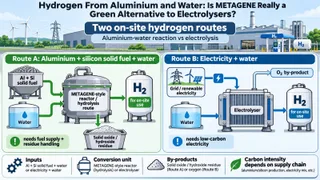
Is METAGENE hydrogen a green alternative to electrolysis?
METAGENE could make hydrogen from aluminium and water at sites with a limited electricity supply. There is no independent evidence yet that it produces lower-carbon hydrogen than electrolysis. Its aluminium- and silicon-based fuel supplies the energy for the reaction. The carbon comparison depends on how the fuel is made and delivered, how much power the station uses and what happens to the spent material.
The UK Low Carbon Hydrogen Standard lists electrolysis as an eligible production pathway. METAGENE’s metal-and-water route would have to be added before it could demonstrate compliance. UK Low Carbon Hydrogen Standard, version 4, section 4
What does the METAGENE funding pay for?
In October 2026, HPQ Silicon, which holds a stake in Novacium, announced that France’s RAPID defence innovation programme would cover 80% of the €1.2 million project. Novacium leads the consortium with Axel’One and AD-VENTA. The 30-month project began in September 2026 and covers the development and testing of an integrated high-pressure hydrogen station. HPQ Silicon’s METAGENE funding announcement
The consortium aims to move from proof of concept at Technology Readiness Level 3 to validation or demonstration in a relevant environment at levels 5–6. The announcement gives no UK launch date. Buyers should look for independent testing of the complete station under typical operating demand, with output measured at the specified pressure and purity.
How does hydrogen from aluminium and water compare with electrolysis?
An electrolyser uses electricity to split water into hydrogen and oxygen. METAGENE reacts a metal-based fuel with water, consuming the fuel and leaving a solid residue. Making that fuel accounts for part of the process’s energy demand. The station may still need electricity for controls, gas treatment and compression. HPQ Silicon’s description of the METAGENE demonstrator Compare both routes per kilogram of usable hydrogen at the same handover point, pressure and purity. Include any drying, purification or compression the receiving equipment needs. An independent lifecycle assessment should state where its boundary ends and show how the result changes with the metal source or electricity supply. If you’re also evaluating electrolysis using seawater, check how the assessment accounts for water treatment.
Overview
Recycled aluminium could reduce emissions, depending on how it is sourced and processed. Ask for evidence of the fuel’s recycled content and what happens to the residue. If the lifecycle assessment credits recovery or recycling, check that it documents how the material will be recovered.
Can METAGENE meet the UK Low Carbon Hydrogen Standard?
Section 4 of version 4 of the UK Low Carbon Hydrogen Standard, published in January 2026, does not include the aluminium-and-water route among its eligible production pathways. The route would first have to be added. A project would then have to meet the standard’s other conditions. These include an emissions intensity threshold of 20 g CO₂e per MJ of hydrogen on a lower heating value basis. The standard’s methodology assesses emissions up to the point of production. UK Low Carbon Hydrogen Standard, version 4, sections 3 and 4
For a purchase decision, also count any energy used after production to bring the gas to the pressure and purity the equipment needs.
How much hydrogen could the station produce, and what might it cost?
HPQ Silicon reports a design target of up to 20 kg of hydrogen per day and estimates raw materials at €20–€30 per kilogram of hydrogen produced. Independently verified results for sustained output at the required pressure and purity have yet to be published. An independent lifecycle assessment with a stated boundary has also yet to be published. HPQ Silicon’s output target and raw-material estimate
A daily total can hide short periods when equipment needs more gas than the station can supply. Ask how much gas the station can deliver at peak flow, how long it can sustain that flow and how quickly it recovers between draws. Use those figures to assess whether the site needs buffer storage. Check whether it also needs a separate supply during maintenance.
For a UK cost comparison, calculate the cost per kilogram dispensed. Include the installed station, fuel deliveries and storage, water, auxiliary electricity, servicing and residue collection or disposal. Use the site’s expected demand. If the station runs intermittently, its fixed costs may be spread over fewer kilograms.
Where could METAGENE fit in the UK?
A remote factory or farm that already uses hydrogen could be a candidate for a future pilot if gas deliveries are difficult or the electricity supply limits on-site electrolysis. Start with the equipment’s gas specification and a record of demand over a typical shift or operating cycle. Compare the station with delivered hydrogen at the same specification. Check access for fuel deliveries and residue collection, along with water quality and servicing arrangements.
If a factory is considering solar-powered electrolysis, it can compare solar installations for industry and check how much generation would coincide with the electrolyser’s operating hours.
In Great Britain, employers should assess fire and explosion risks under the Dangerous Substances and Explosive Atmospheres Regulations (DSEAR). Involve a specialist early in the site assessment to consider equipment location, ventilation, leak detection, emergency isolation and whether hazardous areas need to be classified. HSE guidance on DSEAR Where the Pressure Systems Safety Regulations apply, HSE guidance covers duties such as establishing safe operating limits and having a suitable written scheme of examination before operation. Check who will be responsible for the complete pressure system, including any on-site storage and pipework. HSE guidance on using pressure systems
Is METAGENE an option for homes, balconies or backup power?
The METAGENE announcement describes an industrial demonstrator and gives no basis for specifying it for a UK home or balcony. A hydrogen production station would also need separate compatible equipment to turn the gas into heat or electricity. HPQ Silicon’s demonstrator announcement
For home heating, use a room-by-room heat-loss assessment to size a heat pump. For backup power at a home, farm or business, identify which circuits must stay on, their peak demand in kW and how much energy they need in kWh over the expected outage. If you’re considering battery storage for backup, ask the installer which circuits it can power during an outage and for how long.
Solar comparison
Compare solar for your property
Enter your postcode to assess your roof, compare solar options and get quotes from UK installers.
- Free postcode start
- Home, business and industrial
- RoboMo™ maps your roof
See which panels fit your roof
Choose home, business or industrial, then enter your postcode. RoboMo maps the roof and ranks panel brands by fit.
1. Postcode Start the assessment for your property.
2. Pin the roof Mark the array on the map.
3. Compare RoboMo™ builds your options.

Battery ROI tool
See what a battery saves on your bill
Enter the day rate, off-peak rate and export rate. The calculator ranks batteries in the Kilowatts shop over 10 years. Home batteries also suit offices and small commercial sites.
Reading
Sources and further reading
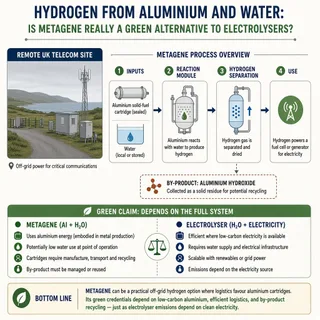
French defence funding does not make METAGENE a green UK alternative to electrolysers. Aluminium is a fuel until yield and recycling energy are published.
Read article
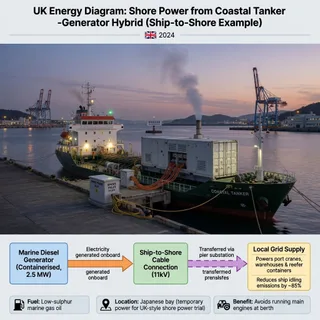
Japan's Kikomaru tanker completed a short hydrogen-engine voyage, but HVO pilot fuel means it was not hydrogen-only. What UK ports should note.
Read article
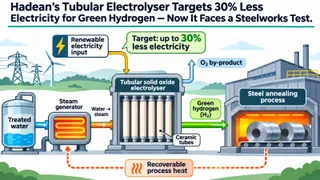
See how Hadean’s tubular electrolyser pilot for steel annealing in Victoria will test a 30% electricity saving and what UK manufacturers should measure.
Read article
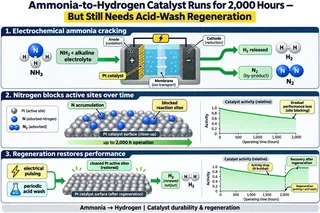
See how acid washes helped an ammonia-to-hydrogen catalyst run for over 2,000 hours in the lab and what UK industrial pilots need to measure.
Read article

Mo's Solar Mission
Mo's Mission Nominations
Garlinge Primary School and Nursery
Garlinge Primary School and Nursery is a foundation primary school on Westfield Road in Margate, Kent, for children aged 3 to 11. It is m...
St Luke's Church of England Primary SchoolSt Luke's Church of England Primary School is a voluntary controlled Church of England primary school on Jubilee Road in Formby, Merseysi...
Comberbach Nursery and Primary SchoolComberbach Nursery and Primary School is a primary academy on Mather Drive in the village of Comberbach, near Northwich in Cheshire, for...
Locations
Solar installation near you
Write for Kilowatts.uk
Got a trade and something worth saying?
Write it here under your own name. Sign in, put a profile up, and start a guide. Pay only if you want more links from your articles out to your own site.
Register
Create a Kilowatts.uk account, or sign in if you already have one.
Author profile
Put your name, photo and experience on a public author page.
Start creating
Write a guide or a blog. Free authors can put one followed link to their own site in articles each month.
FAQ
Need Help? RoboMo's Got Answers
How does METAGENE make hydrogen from aluminium and water?
METAGENE reacts an aluminium- and silicon-based fuel with water, releasing hydrogen and leaving a solid residue. The reaction consumes the metal fuel, which takes energy to make. The station may also need electricity for controls, gas treatment or compression.
Is METAGENE hydrogen greener than hydrogen from electrolysis?
Independent evidence has yet to show that METAGENE has lower lifecycle emissions than electrolysis. The comparison depends on how the metal fuel is made and delivered, what happens to the residue and what electricity the electrolyser uses. Compare emissions per kilogram of usable hydrogen delivered at the same pressure and purity.
Is METAGENE eligible under the UK Low Carbon Hydrogen Standard?
Version 4 of the UK Low Carbon Hydrogen Standard, published in January 2026, omits the aluminium-and-water route from its eligible production pathways. The route would need to be added before a project could demonstrate compliance under the standard. A project would then need to meet the emissions threshold and the other applicable conditions.
Can I buy a METAGENE system for my home or use it for backup power?
The funding announcement describes an industrial demonstrator and gives no UK launch date or domestic model. The station produces hydrogen, so backup power would require separate compatible equipment to turn the gas into electricity. If you are comparing home backup options, check which circuits each system can run and for how long.
How much hydrogen could METAGENE produce?
HPQ Silicon reports a design target of up to 20 kg of hydrogen per day. Buyers should ask for independently verified output at the pressure and purity their equipment needs. Peak flow and how long the station can sustain it help determine whether buffer storage is needed.
How much might METAGENE hydrogen cost?
HPQ Silicon estimates raw materials at €20–€30 per kilogram of hydrogen produced. To estimate the full UK cost per kilogram dispensed, include the installed station, fuel delivery and storage, water, electricity, servicing and residue handling. Use your expected demand, since lower utilisation spreads fixed costs over fewer kilograms.
Where might METAGENE make sense for a UK business?
A remote factory or farm that already uses hydrogen could be a candidate for a future pilot if gas deliveries are difficult or the electricity supply limits on-site electrolysis. Compare it with delivered hydrogen at the pressure, purity and flow your equipment needs. Check access for fuel deliveries and residue collection, and ask a specialist to assess the proposed location, ventilation and pressure system.
Live help
Need help right now?
Talk to RoboMo™ and get instant answers.