


Soda Ash Helps a Solid-State Sodium Battery Reach 850 Cycles - Why the Electrolyte Matters
Published: 2026-11-23 17:19:18
Updated: 2026-11-23 09:19:51
See how soda ash improved a solid-state sodium battery electrolyte, what 850 lab cycles show and what UK buyers should check in battery storage quotes.
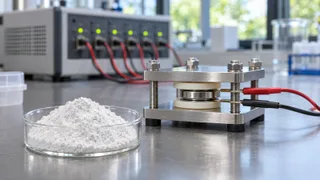
Soda ash helps a solid-state sodium lab cell reach 850 cycles
Soda ash, or sodium carbonate, helped researchers make a solid-state sodium battery electrolyte that conducts sodium ions more readily. Xiaolin Guo and colleagues reported in *Nature Communications* on 16 November 2026 that their best formulation reached an ionic conductivity of 1.02 mS/cm at 25 °C. A lab cell built with the modified electrolyte completed 850 cycles at 0.3 C. Assessing its suitability for stationary storage would require tests on larger cells and complete packs. Guo et al., *Nature Communications*, study DOI
What does soda ash change in a solid-state sodium battery electrolyte?
A solid electrolyte carries sodium ions between the electrodes during charging and discharging. Electrons travel through the external circuit. For a given electrolyte thickness, higher ionic conductivity means lower resistance. The resistance of the assembled cell also depends on how well the electrolyte contacts the materials on either side.
Guo and colleagues used soda ash to introduce carbonate into a zirconium-based halide electrolyte. They linked the higher conductivity to a more disordered structure that made it easier for sodium ions to move. The cycling test used a complete cell with the modified electrolyte and a sodium chromium oxide positive electrode. Published study and cell design
What do 1.02 mS/cm and 850 cycles tell us?
The conductivity figure describes how easily ions moved through the electrolyte at the stated temperature. The cycle count records how many times the assembled cell was charged and discharged under the study’s test conditions. The rate of 0.3 C expresses the test current relative to the cell’s reference capacity. Capacity retention tells you how much of the starting capacity remained after cycling. Published conductivity and cycling results
Overview
Larger cells need to maintain even contact between their layers at a pressure a practical pack can sustain. The hardware that maintains this stack pressure can affect pack design and cost.
Batteries also degrade over time while sitting idle. This is called calendar ageing. Temperature and state of charge during idle periods matter when estimating the service life of a home battery or a business system used to manage demand peaks.
Could soda ash make battery storage cheaper?
Soda ash offers a way to improve conductivity in a zirconium-based electrolyte. The authors identify a raw-material cost advantage for this class of electrolyte over halide electrolytes based on rarer metals. A cheaper battery would also depend on making consistent electrolyte layers at scale, keeping assembly yields high and packaging the cells with the controls and power electronics an installed system needs. Estimating an installed UK price would require a product specification and a site-specific quote.
Published study and cost rationale
For a battery you can buy today, ask for an installed price and an estimate of how much energy the system would deliver under your usage pattern. Round-trip efficiency is the share of charging energy recovered on discharge. Check whether the quoted figure covers the full AC system, including inverter losses. If you plan to charge from solar, compare what you would save on grid imports with the export income you would give up. Extra capacity has little value if you rarely have enough surplus to fill it or enough demand later to use it.
What should UK homes and businesses check before buying storage?
For a home with solar panels, ask the installer to model how much surplus remains after daytime use. Ideally, they should use interval data and account for seasonal generation, roof orientation and shading. For a retrofit, ask whether you can keep the existing solar inverter and add a separate AC-coupled battery inverter. Ask how a compatible hybrid inverter would affect cost and functionality. If you book a home energy survey, ask the installer to cover consumer unit space, metering and any export controls.
For a grid-connected project in Great Britain, ask the installer to confirm the applicable G98 or G99 route with your distribution network operator before you commit to an inverter or battery configuration. Ask how the installer has accounted for the proposed battery, existing generation and any export limit. Energy Networks Association guide to G98 and G99 · National Grid G99 connection procedures
For a domestic installation, ask the installer to assess the proposed location against the fire safety guidance that applies to the property. Check how the location affects escape routes and whether the equipment can withstand the expected temperatures, weather and potential impacts. For a flat or balcony project, establish whether you need building consent before choosing a location or cable route. BSI’s PAS 63100:2024 covers small-scale storage in dwellings within its scope. It excludes high-risk residential buildings, where the proposed installation needs a building-specific assessment. BSI specification for battery fire protection in dwellings For a farm, workshop or other business considering on-site battery storage, use half-hourly demand data to see how high recurring peaks are and how long they last. The size of the peak tells you how much inverter power you need in kW. The duration determines how much usable energy you need in kWh. If you need backup during a power cut, ask which circuits can run, how much power they draw at start-up and how the system will isolate from the grid. Give each installer the same demand data, siting constraints and backup requirements so you can compare quotes on the same basis.
Solar comparison
Compare solar for your property
Enter your postcode to assess your roof, compare solar options and get quotes from UK installers.
- Free postcode start
- Home, business and industrial
- RoboMo™ maps your roof
See which panels fit your roof
Choose home, business or industrial, then enter your postcode. RoboMo maps the roof and ranks panel brands by fit.
1. Postcode Start the assessment for your property.
2. Pin the roof Mark the array on the map.
3. Compare RoboMo™ builds your options.

Battery ROI tool
See what a battery saves on your bill
Enter the day rate, off-peak rate and export rate. The calculator ranks batteries in the Kilowatts shop over 10 years. Home batteries also suit offices and small commercial sites.
Reading
Sources and further reading
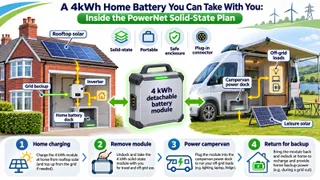
Could PowerNet’s detachable 4 kWh solid-state battery serve UK homes and campervans? See what Australia’s pilot covers and what buyers still need to know.
Read article
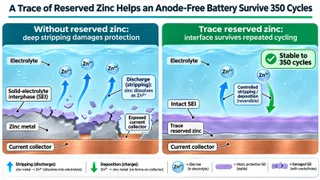
An anode-free zinc pouch cell retained 90.47% of its capacity after 350 lab cycles. See how the zinc reserve helps and what UK solar storage buyers need.
Read article
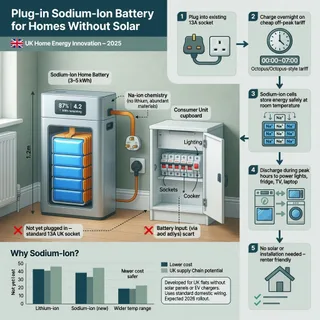
A plug-in sodium-ion battery for homes without solar is in development, not on sale. UK grid rules may still block a simple wall-socket connection.
Read article

Australia is backing a pilot line for PowerNet modular batteries. See the 4 kWh concept, project timetable and why a UK launch is not established.
Read article


Mo's Solar Mission
Mo's Mission Nominations
Garlinge Primary School and Nursery
Garlinge Primary School and Nursery is a foundation primary school on Westfield Road in Margate, Kent, for children aged 3 to 11. It is m...
St Luke's Church of England Primary SchoolSt Luke's Church of England Primary School is a voluntary controlled Church of England primary school on Jubilee Road in Formby, Merseysi...
Comberbach Nursery and Primary SchoolComberbach Nursery and Primary School is a primary academy on Mather Drive in the village of Comberbach, near Northwich in Cheshire, for...
Locations
Solar installation near you
Write for Kilowatts.uk
Got a trade and something worth saying?
Write it here under your own name. Sign in, put a profile up, and start a guide. Pay only if you want more links from your articles out to your own site.
Register
Create a Kilowatts.uk account, or sign in if you already have one.
Author profile
Put your name, photo and experience on a public author page.
Start creating
Write a guide or a blog. Free authors can put one followed link to their own site in articles each month.
FAQ
Need Help? RoboMo's Got Answers
What does soda ash do in a solid-state sodium battery?
Soda ash, also called sodium carbonate, introduces carbonate into the solid electrolyte. The researchers linked this change to a more disordered structure that lets sodium ions move through it more easily. Easier ion movement reduces resistance within the electrolyte.
What do 1.02 mS/cm and 850 cycles tell us about the battery?
The first figure measures how readily sodium ions moved through the electrolyte at 25 °C. The second is the number of charge and discharge cycles the lab cell completed at the study’s test rate. To judge how well it held up, you also need to know how much of its original capacity remained after those cycles.
Is a battery based on this research ready for home installation?
The study reports results from a laboratory cell. Assessing it for home storage would require evidence from larger cells and complete packs, including how they perform at realistic temperatures and whether they can maintain the pressure needed to keep the cell layers in contact.
Could soda ash make home battery storage cheaper?
The electrolyte may offer a raw-material cost advantage over some formulations that use rarer metals. The installed price would also depend on manufacturing yields, pack design, power electronics and installation. For a buying decision today, compare installed quotes and ask how much energy each system is expected to deliver under your usage pattern.
Which battery specifications should I compare in an installer’s quote?
Compare usable capacity in kWh, which tells you how much energy the battery can deliver, and continuous AC output in kW, which tells you how much load it can supply at once. Ask what capacity the warranty guarantees at the end of its term and whether it caps the total energy the battery can deliver. Check whether the round-trip efficiency figure includes inverter losses.
How do I size a battery for my existing solar panels?
Ask the installer to use your electricity usage and solar generation data to estimate how much surplus you have after daytime use and how much stored energy you could use later. A larger battery may add little value if you rarely have enough surplus to fill it. Compare the value of avoided grid imports with the export income you would give up, and ask whether you can keep your existing solar inverter.
What should I check about the battery’s location and grid connection?
Ask your installer to assess the proposed location for fire safety, access to escape routes and exposure to weather or extreme temperatures. If you live in a flat, check whether you need building consent before settling on a location or cable route. For a grid-connected system in Great Britain, ask the installer to confirm the connection route with your distribution network operator, taking account of any existing solar panels and export limit.
Will a home battery keep my lights on during a power cut?
That depends on whether the system is configured for backup and which circuits it can supply. Ask the installer how the system isolates from the grid, whether it can handle the start-up power of essential appliances and how long it could run them at a typical state of charge.
Live help
Need help right now?
Talk to RoboMo™ and get instant answers.