


CATL Delivers Its First EnerQB Eight-Hour Battery - What Has Actually Reached Australia?
Published: 2026-11-24 06:07:10
Updated: 2026-11-23 22:07:53
See what CATL’s 5.64 MWh EnerQB handover confirms for Quinbrook’s Queensland trial and what UK buyers should check when comparing eight-hour batteries.
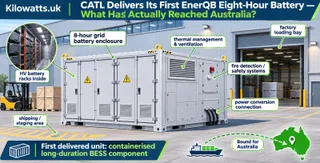
What has actually reached Australia?
CATL handed over its first EnerQB eight-hour battery unit to Quinbrook Infrastructure Partners at its Xiamen factory in China on 28 October 2026. Xinhua reported that the 5.64 MWh unit was destined for Stanwell Power Station near Rockhampton in central Queensland. The announcements confirm the factory handover and leave Australian arrival, installation and commissioning unconfirmed. CATL handover announcement · Xinhua handover report
Stanwell and Quinbrook plan to run a demonstration at the power station. The Queensland Government describes a 12-month trial to assess performance, scalability and commercial potential. The first unit has a reported capacity of 5.64 MWh. The figures of roughly 3 GW and 24 GWh refer to Quinbrook’s wider Australian project pipeline. CATL has also identified EnerQB as an option for future stages of Supernode, a separate Queensland development. Queensland Government pilot announcement · CATL handover announcement · CATL Supernode update
How much power can the CATL EnerQB eight-hour battery deliver?
An eight-hour rating describes how long a battery system can sustain a specified discharge power. Megawatt-hours (MWh) measure energy, while megawatts (MW) measure how quickly it is delivered. If the full 5.64 MWh were available at the AC connection point and delivered evenly over eight hours, the unit would average 0.705 MW. Its sustained AC output remains unconfirmed. Xinhua capacity report
For a procurement decision, ask how much usable AC energy the supplier guarantees at the meter while the system holds the agreed output, both at commissioning and later in the warranty term. Usable battery capacity, inverter limits and auxiliary loads such as cooling all affect what the system can deliver. CATL quotes a 25-year design life and at least 96% round-trip efficiency. To compare that figure with another system, ask where the test measured incoming and outgoing energy and whether it included power conversion losses and auxiliary demand. CATL product announcement
Where eight-hour storage could make sense in Britain
A grid battery with a longer discharge window can store surplus generation for a sustained period of higher demand. Its value depends on whether there is enough time and import capacity to recharge, enough export capacity to discharge at the intended power, and a predictable use for the extra stored energy. One eligibility criterion for Britain’s long-duration electricity storage cap and floor scheme is at least eight hours of continuous discharge at full power. Projects must also meet the scheme’s other requirements. Ofgem scheme overview · Government and Ofgem technical decision
On a farm or industrial site, use half-hourly meter data to identify when the battery would discharge. A cold store may need power for much of the night. A workshop may only need it for a short peak when machinery starts. Check whether the agreed grid import capacity or available solar surplus can recharge the battery before its next discharge. If you’re adding a battery to existing solar, ask the installer to assess the inverter, the combined installation and any export limit before pricing the connection work. Energy Networks Association connection guide
How to compare storage for a home, balcony, farm or business
EnerQB is designed for grid-scale projects, but the same sizing principle applies to smaller UK sites. To size a home battery, measure how much energy you use during the hours you want the battery to cover, then check that the inverter can supply the loads likely to run together. A battery may have enough usable kWh for the whole evening while the property still needs to draw from the grid when several appliances run at once.
Overview
The handover material gives no verified UK installed price for EnerQB. For households, Energy Saving Trust puts battery storage at £1,500 to £10,000, depending on type and size. A domestic battery quote will also depend on how the battery connects to existing solar and whether it includes electrical or backup work. Compare quotes using the same consumption data and the same charging and export tariffs. Extra capacity adds cost and may see little use if the battery rarely has enough surplus or low-cost electricity to fill it. Energy Saving Trust battery storage guidance
What remote control and backup should do on site
A site energy management system can schedule charging and discharging and report the battery’s charge level, output and faults. The EnerQB handover announcement gives no details about the model’s remote-control features. When comparing systems, ask the installer to show which settings stay active if the internet connection drops, whether you can change the schedule locally and who can adjust the reserve or export settings.
If you need power-cut cover, ask which circuits the system can safely isolate and supply during an outage. Check their combined running load and the power needed to start equipment such as pumps. Ask whether existing solar can recharge the battery while the property is isolated from the grid. Backup runtime depends on the loads you run and how much energy is in reserve when the outage starts. Energy Networks Association connection guide
Use the Kilowatts.uk tools to compare solar for your business or browse the battery installer directory. Give each installer the same consumption data, equipment details and backup requirements so you can compare their proposals on the same basis.
Solar comparison
Compare solar for your property
Enter your postcode to assess your roof, compare solar options and get quotes from UK installers.
- Free postcode start
- Home, business and industrial
- RoboMo™ maps your roof
See which panels fit your roof
Choose home, business or industrial, then enter your postcode. RoboMo maps the roof and ranks panel brands by fit.
1. Postcode Start the assessment for your property.
2. Pin the roof Mark the array on the map.
3. Compare RoboMo™ builds your options.

Battery ROI tool
See what a battery saves on your bill
Enter the day rate, off-peak rate and export rate. The calculator ranks batteries in the Kilowatts shop over 10 years. Home batteries also suit offices and small commercial sites.
Reading
Sources and further reading
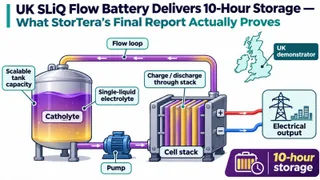
StorTera’s UK SLiQ flow battery trial reports a 10-hour discharge. See which power and efficiency figures buyers still need before sizing a system.
Read article
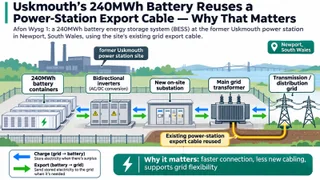
Practical UK guide on Uskmouth's 240MWh Battery Reuses a Power-Station Export Cable - Why That Matters.
Read article
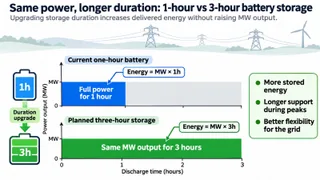
See why Econergy is weighing three-hour upgrades for four UK batteries totalling 106 MW, and when longer discharge could pay for the retrofit.
Read article
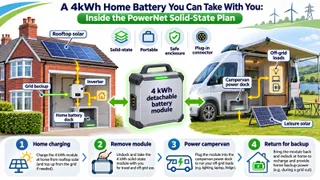
Could PowerNet’s detachable 4 kWh solid-state battery serve UK homes and campervans? See what Australia’s pilot covers and what buyers still need to know.
Read article
Mo's Solar Mission
Mo's Mission Nominations
Garlinge Primary School and Nursery
Garlinge Primary School and Nursery is a foundation primary school on Westfield Road in Margate, Kent, for children aged 3 to 11. It is m...
St Luke's Church of England Primary SchoolSt Luke's Church of England Primary School is a voluntary controlled Church of England primary school on Jubilee Road in Formby, Merseysi...
Comberbach Nursery and Primary SchoolComberbach Nursery and Primary School is a primary academy on Mather Drive in the village of Comberbach, near Northwich in Cheshire, for...
Locations
Solar installation near you
Write for Kilowatts.uk
Got a trade and something worth saying?
Write it here under your own name. Sign in, put a profile up, and start a guide. Pay only if you want more links from your articles out to your own site.
Register
Create a Kilowatts.uk account, or sign in if you already have one.
Author profile
Put your name, photo and experience on a public author page.
Start creating
Write a guide or a blog. Free authors can put one followed link to their own site in articles each month.
FAQ
Need Help? RoboMo's Got Answers
Has the first CATL EnerQB battery arrived in Australia?
The announcements confirm that CATL handed over the first 5.64 MWh EnerQB unit to Quinbrook in Xiamen, China, on 28 October 2026. The unit was destined for a planned 12-month trial at Stanwell Power Station in Queensland. Its arrival, installation and commissioning in Australia remain unconfirmed in the cited announcements.
What does an eight-hour battery rating mean?
It means the battery is designed to sustain a specified power output for eight hours. If all 5.64 MWh were usable at the AC connection and delivered evenly over eight hours, the average output would be 0.705 MW. Ask for the guaranteed sustained AC output and usable energy at the meter, since the published capacity alone cannot establish either.
How do I work out what size battery my home needs?
Use your meter data to estimate how many kWh you use during the hours you want the battery to cover. Then check the inverter’s continuous output in kW against the appliances you typically run together. Check how often your solar surplus or off-peak charging window would let you refill the battery.
Can I add a battery to my existing solar panels?
Often you can, but the equipment and connection arrangements depend on your existing installation. Ask an installer to check inverter compatibility, how the battery would connect and how the combined system would meet any export limit. For balcony solar, also check shading, safe mounting, any permissions required and the electrical connection arrangements.
When could eight-hour storage make sense for a UK farm or business?
A longer discharge window can help if you regularly need power for several hours, such as when running a cold store overnight. Use half-hourly meter data to see how long the demand lasts and when you could recharge. Check that your solar surplus or agreed grid import capacity can refill the battery before its next discharge.
How should I compare battery quotes and efficiency claims?
The handover material gives no verified UK installed price for EnerQB, which is designed for grid-scale projects. For a home or business battery, use the same consumption data and tariffs for each quote. Compare guaranteed usable energy, continuous output and warranty terms. For efficiency claims, ask where the energy was measured and whether the figure includes inverter losses and equipment such as cooling.
Will a home battery keep my appliances running during a power cut?
Only if the installation is configured to safely isolate and supply the circuits you want to use during an outage. Ask which circuits are covered, whether the battery can handle the start-up demand of equipment such as pumps, and whether your solar panels can recharge it while the property is isolated from the grid. Runtime depends on the loads you run and the charge available when the outage begins.
Will my battery still follow its charging schedule if the internet goes down?
That depends on the system and how it is configured. Ask the installer to demonstrate which schedules and settings stay active offline and whether you can change them locally. Check who can adjust the backup reserve and export settings.
Live help
Need help right now?
Talk to RoboMo™ and get instant answers.