


How much to install car charger
Published: 2026-11-26 01:18:04
Updated: 2026-11-25 17:18:55
Ohme and Octopus Energy advertise home EV charger packages from around £950 to £1,130, including standard installation and before any grant.
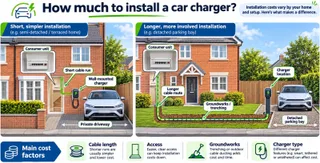
How much does it cost to install a home EV charger in the UK?
Ohme and Octopus Energy advertise home EV charger packages from around £950 to £1,130, including standard installation and before any grant. These are starting prices from two suppliers, checked on 26 November 2026. A longer cable route, a trench, a mounting post or extra electrical work can raise the price. Ask for a quote including VAT based on where you usually park. Ohme installed prices and Octopus Charge installed prices.
Ohme lists its untethered ePod from £949 and its tethered Home Pro from £999. Octopus Energy lists its untethered charger from £1,029 and its tethered version from £1,129. If you already own a charger, give the installer the exact model and ask for a fitting-only quote that itemises the fixed cable, protective equipment, fitting and testing. Check who guarantees the installation work and who handles faults with the charger itself.
What does standard EV charger installation include?
A standard package generally covers the charger, a set length of fixed cable, mounting on a suitable wall, and testing and certification of the new circuit. Each supplier sets its own limits. Ohme, for example, includes up to 15 metres of fixed cable from the meter or consumer unit to the chargepoint, with separate conditions for trunking and some protective devices. Ask your installer to confirm what the package covers at your property. Ohme standard installation specification.
The fixed cable supplies power to the chargepoint. The charging lead runs from the chargepoint to the car. A tethered charger has a permanently attached lead. An untethered charger has a socket, so check whether a compatible lead comes with it. Park where you normally would and check that the lead can reach the car’s charging port without crossing a walkway.
What can push the installation price above the advertised figure?
Measure the cable route along walls and around obstacles. A parking bay may be close to the meter, but the cable might have to go around a doorway or across paving. For a detached garage or freestanding charger, ask the installer to show you the route and confirm who will dig the trench, supply the ducting and make good the surface. If a separate contractor is doing the groundwork, budget for both quotes.
Overview
The installer should check the incoming supply, earthing and how much power the property already draws. A looped supply shared with a neighbour or a proposed supply upgrade can affect how soon the work can go ahead. Ask whether the installer needs to contact the distribution network operator before fitting or can notify it afterwards, and who will handle the paperwork. With dynamic load management, the charger can reduce its power when the house draws more electricity. UK Power Networks home charging connection guidance.
Can a grant reduce the cost of a home EV charger?
Two Office for Zero Emission Vehicles (OZEV) grants cover 75% of eligible chargepoint purchase and installation costs, up to £500. One is for eligible renters and people who own and live in a flat with private off-street parking. The other is for eligible households that rely on on-street parking and use an approved cross-pavement solution. GOV.UK lists 31 March 2027 as the closing date for both schemes. GOV.UK chargepoint grant overview.
Before installation, use the GOV.UK EV chargepoint installer finder to choose an OZEV-authorised installer and get a dated quote. Check that your vehicle and charger model are eligible, get any written permissions you need and submit the application for your scheme. Wait for OZEV to confirm your eligibility before installation. Ask the installer to show the eligible costs and expected grant deduction separately.
For on-street parking, get consent from your local highways authority for the permanent cross-pavement solution before applying. Ask for a separate price for the cable channel and associated work so you can see the full cost. The channel carries the charging lead across the pavement. Each time you charge, you still need a suitable parking space within reach. GOV.UK on-street grant eligibility and permissions.
What charging speed is worth paying for?
Think about how much you drive between charges and how long the car usually sits at home. At a steady 7 kW, four hours of charging draws about 28 kWh of electricity. A little less reaches the battery because of charging losses. The car’s AC charging limit, the property’s electricity supply and any load management can reduce the charging rate. Before paying for a higher-rated unit, ask what power your car is likely to receive.
To estimate the cost of charging, multiply the electricity you expect to draw from the meter in kWh by the unit rate during those hours. When comparing EV tariffs, look at both the overnight rate and what you would pay for the rest of your household electricity use. Check whether the tariff requires a compatible car or charger. If you drive relatively little and can reliably charge at work, a home installation that needs substantial groundwork may be harder to justify.
How to choose an installer and compare quotes
Send each installer the same photos of the meter, consumer unit, proposed charger position and full cable route. Show where you usually park and point out paving, shared areas and outbuildings. If the route or supply is unclear from the photos, ask for a site survey before accepting a quote. If you rent or use an allocated bay, check who can give written permission for the charger and cable route before setting an installation date.
Use the Kilowatts.uk installer directory to find local EV chargepoint installers and ask them to quote for the same layout. Compare the total payable including VAT, with any confirmed grant shown separately. Check the charger model, cable allowance, protective equipment and groundwork, and confirm who will handle the network paperwork. Before booking, ask which electrical certificate you’ll receive after testing and who to contact if the charger or installation develops a fault. If you’re planning other home energy upgrades alongside the charger, you can book a home energy survey.
Solar comparison
Compare solar for your property
Enter your postcode to assess your roof, compare solar options and get quotes from UK installers.
- Free postcode start
- Home, business and industrial
- RoboMo™ maps your roof
See which panels fit your roof
Choose home, business or industrial, then enter your postcode. RoboMo maps the roof and ranks panel brands by fit.
1. Postcode Start the assessment for your property.
2. Pin the roof Mark the array on the map.
3. Compare RoboMo™ builds your options.

Battery ROI tool
See what a battery saves on your bill
Enter the day rate, off-peak rate and export rate. The calculator ranks batteries in the Kilowatts shop over 10 years. Home batteries also suit offices and small commercial sites.
Reading
Sources and further reading
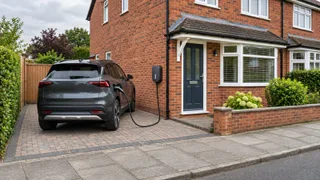
Practical UK guide on How much does installing ev charging station cost in the UK. Clear answers for homeowners comparing options and next steps.
Read article
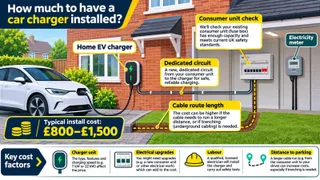
Practical UK guide on How much to have a car charger installed. Clear answers for homeowners comparing options and next steps.
Read article
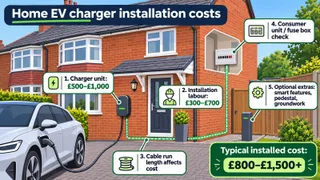
Budget £800 to £1,200 for a typical UK home car charging point before grants. See what fitting includes and how longer cable runs affect your quote.
Read article
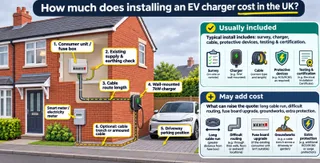
Budget £800–£1,200 for a typical UK home EV charger installation. Compare VAT-inclusive quotes and see how cable routes and groundworks affect the price.
Read article




Mo's Solar Mission
Mo's Mission Nominations
Garlinge Primary School and Nursery
Garlinge Primary School and Nursery is a foundation primary school on Westfield Road in Margate, Kent, for children aged 3 to 11. It is m...
St Luke's Church of England Primary SchoolSt Luke's Church of England Primary School is a voluntary controlled Church of England primary school on Jubilee Road in Formby, Merseysi...
Comberbach Nursery and Primary SchoolComberbach Nursery and Primary School is a primary academy on Mather Drive in the village of Comberbach, near Northwich in Cheshire, for...
Locations
Solar installation near you
Write for Kilowatts.uk
Got a trade and something worth saying?
Write it here under your own name. Sign in, put a profile up, and start a guide. Pay only if you want more links from your articles out to your own site.
Register
Create a Kilowatts.uk account, or sign in if you already have one.
Author profile
Put your name, photo and experience on a public author page.
Start creating
Write a guide or a blog. Free authors can put one followed link to their own site in articles each month.
FAQ
Need Help? RoboMo's Got Answers
How much does it cost to install a home EV charger in the UK?
The supplier packages featured in this article start at around £950 to £1,130, including standard installation and before any grant. Your price can rise if you need a longer cable run, groundwork or extra electrical work. Ask for a quote including VAT based on where you normally park.
What does standard EV charger installation include?
A standard package usually covers the charger, wall mounting, a set length of fixed cable, and testing and certification of the new circuit. Cable allowances and included electrical equipment vary by supplier. Ask what the package covers at your property and how any extra work will be priced.
Will it cost more to install a charger in a detached garage or away from the house?
It can cost more if the cable route is longer or needs a trench, ducting or a mounting post. Ask who will dig the trench and reinstate any paving. If you need a separate groundwork contractor, include both quotes in your budget.
Can I get a grant towards a home EV charger?
OZEV grants may help eligible renters, flat owner-occupiers and households that rely on on-street parking. Check the current GOV.UK eligibility rules and use an OZEV-authorised installer. Apply and wait for OZEV to confirm your eligibility before installation.
Can I install a charger if I park on the street or use a shared bay?
If you park on the street, ask your local highways authority whether it will approve a permanent cross-pavement cable channel. You will still need a parking space within reach each time you charge. For an allocated bay in a shared car park, check who can give written permission for the charger and cable route, and agree how the electricity will be billed.
Can I pay an installer to fit a charger I already own?
Give the installer the exact make and model so they can confirm whether they can fit it. Ask for a fitting-only quote that includes the fixed cable, protective equipment, fitting and testing. Check who guarantees the installation and who handles faults with the charger itself.
Is it worth paying extra for a faster home EV charger?
That depends on how far you drive between charges and how long the car usually sits at home. At a steady 7 kW, four hours of charging draws about 28 kWh from the supply, with slightly less reaching the battery. Before paying extra, ask what charging rate your car and home electricity supply can support.
How do I compare EV charger installation quotes?
Give each installer the same photos of your meter, consumer unit, proposed charger position and cable route. Compare the total including VAT, with any confirmed grant shown separately. Check the cable allowance, groundwork and protective equipment, and ask who will handle any network paperwork and which electrical certificate you will receive.
Live help
Need help right now?
Talk to RoboMo™ and get instant answers.