


How to install solar panel uk?
Published: 2026-07-19 19:32:11
Updated: 2026-08-04 11:39:33
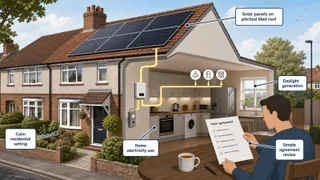
This is a homeowner guide to the professional installation process, not a DIY wiring guide.
How to install solar panels in the UK
To install solar panels in the UK, the safest route is to check whether your property is suitable, choose a competent installer, agree a surveyed design, then let qualified professionals complete the roof work, electrical connection, commissioning and paperwork. This is a homeowner guide to the professional installation process, not a DIY wiring guide.
A good solar PV installation is designed around your roof, electricity use, grid connection, future plans and documentation requirements. The panels are only one part of the job. The installer must also consider roof condition, shading, scaffold access, cable routes, inverter location, consumer unit suitability, battery options, export arrangements and compliance paperwork.
For most homeowners, solar is not a DIY job. It involves working at height, roof penetrations, DC electrical circuits, AC electrical work and grid connection requirements. If you are still learning the basics, start with how solar works before comparing quotes.
Check whether your roof is suitable before asking for quotes
The best solar installations usually start with a practical roof assessment, not a panel count. A south-facing roof is often ideal, but east and west-facing roofs can also work well depending on when you use electricity. The key question is whether the roof has enough unshaded space and is in good enough condition to hold a long-term system.
If the roof covering is old, damaged or due for replacement, deal with that before installing panels where possible. Removing and refitting solar later adds disruption and cost. Chimneys, dormers, roof windows, vents, aerials, trees and neighbouring buildings can all reduce usable space or create shading that affects performance. Roof angle and orientation also matter, so it is worth checking which direction works before assuming your roof is unsuitable.
Shading
Even partial shading from chimneys, trees or nearby buildings can affect system design.Roof condition
Weak tiles, failing felt, ageing flat roofs or structural concerns should be reviewed early.Available space
The installer needs safe margins, access routes and suitable fixing points.Electrical setup
The consumer unit, meter position, earthing and cable routes affect the final design.Access for scaffolding
Difficult access can change the installation method, timing or quote.Roof direction and pitch
These influence generation timing and annual output.
A site visit or detailed remote survey should identify these issues before you pay a significant deposit. If an installer gives a fixed design without asking about shading, roof age, access, electricity use or your consumer unit, treat that as a warning sign.
Work out what size system you actually need
A solar PV system should be sized around your roof, electricity use and budget. Bigger is not automatically better if you cannot use or export much of the energy, but undersizing can limit long-term value if you later add an electric vehicle, heat pump or battery.
Your installer should ask for electricity usage information, usually from your bill or smart meter data. Daytime use matters because solar generates during daylight hours. Homes with people working from home, electric water heating controls, battery storage or flexible appliances may use more of their own solar generation.
Do not assume that the largest visible array is the best design. A well-specified system should balance generation, usable energy, export, battery strategy and roof layout. If you want a starting point before a survey, use a guide to how many panels a UK home may need.
Choose a solar installation company carefully
A solar installation company should be able to explain the design, not just the discount. You need clear answers on roof fixings, inverter location, scaffold access, expected disruption, monitoring, warranty documents and what happens if the survey changes the quote.
Ask whether the company uses its own installers or subcontractors, who signs off the electrical work, what documentation you receive and how aftercare is handled. If you plan to use an export tariff, check what evidence your chosen electricity supplier will require before committing. You can also compare home solar options to see what a structured comparison should consider.
MCS status
If you need an MCS certificate for export tariff evidence or lender requirements, confirm this before signing.Survey quality
The installer should inspect the roof, shading, access and electrics before finalising the design.Paperwork process
The installer should explain grid notification or application steps where relevant.Workmanship cover
Ask what is covered, for how long and who provides the cover.Clear specification
The quote should identify the panels, inverter, mounting system, monitoring and battery if included.Electrical sign-off
Ask who completes and certifies the electrical work.
Be cautious with pressure selling, vague payback promises, unusually fast sign-up deadlines or quotes that do not show what equipment is being installed. Solar is a long-term property upgrade, so the quality of the design and aftercare matters as much as the panel brand. Handover documents — You should receive commissioning information, warranties and user guidance.
Understand the UK compliance basics
Solar panels are common on UK homes, but the compliance side still matters. A reputable installer should explain which standards, certificates and permissions apply to your property rather than leaving you to discover requirements after the scaffold is down.
At a high level, you should expect the installer to consider MCS certification where applicable, local distribution network operator requirements, electrical safety certification, Building Regulations considerations and planning restrictions. The details can vary by property, system size, location and whether a battery or export limitation is included.
MCS certification: MCS is a recognised UK certification scheme for low-carbon installations. Many export tariff providers ask for an MCS certificate or acceptable equivalent evidence, so confirm your supplier’s requirements before installation. You can check the scheme at MCS. DNO notification or application: Solar systems connect to the electricity network, so the installer may need to notify or apply to your local distribution network operator. Smaller straightforward systems are commonly handled under G98 notification, while larger or non-standard systems may need G99 approval before connection. Your installer should confirm the correct route for your design. Electrical certification: Solar PV includes electrical work and should be installed, tested and certified by a competent person. In England and Wales, domestic electrical safety is covered by Part P of the Building Regulations. Government guidance is available in Approved Document P. Competent person schemes: Some installers can self-certify certain Building Regulations work through a competent person scheme. If they cannot, ask how compliance will be notified and documented. Planning permission: Many domestic roof-mounted solar installations are permitted development, but limits and exceptions apply. Listed buildings, conservation areas, flats, unusual roofs and ground-mounted systems may need extra checks. The Planning Portal solar panel guidance is a useful starting point. Working at height: Roof work must be planned and carried out safely. The Health and Safety Executive provides guidance on working at height and roof work risks. This is why “cheap and quick” is not enough. The right installer should be able to show how the system will be safe, compliant, insurable and acceptable to your export supplier if you intend to sell surplus electricity.
Understand the survey and design stage
After an initial quote, a proper survey confirms whether the proposed system can be installed. This may include roof measurements, tile condition, rafter or fixing assessment, scaffold access, inverter location, cable routes, consumer unit checks and earthing considerations.
The final design may differ from the first estimate. Panels may need to move away from roof edges, avoid obstructions or be split across different roof faces. The inverter may need a different location if the original route is impractical, and battery placement needs care because of weight, access, temperature, ventilation and manufacturer instructions.
The installer should give you an updated design if the survey reveals changes. Do not ignore small details such as cable routes, visible conduit, loft access, bird protection, monitoring equipment or where isolators will sit. These practical choices affect how tidy, safe and serviceable the installation feels once the scaffold is gone.
What happens on installation day
Most domestic solar installations involve scaffolding first, followed by roof mounting, panel fitting, cabling, inverter installation, electrical connection, commissioning and handover. The exact timescale depends on property size, weather, roof complexity, access and whether a battery is included.
Installers normally fit roof anchors or mounting brackets, attach rails, secure the panels, run DC cabling to the inverter, complete AC electrical work and test the system. Good installers protect roof materials, keep cable routes neat and explain any changes before carrying them out.
Roof mounting
Brackets and rails are fixed according to the roof type and design.Electrical work
The system is connected to the property’s electrical installation by a competent person.Panel installation
Panels are clamped to the rails and wired into the agreed configuration.Inverter connection
The inverter converts solar DC electricity into usable AC electricity.Scaffolding and access
Safe access is arranged before roof work begins.Testing and commissioning
The system is checked before being handed over for normal use.
There may be short power interruptions during electrical work. It is sensible to ask in advance if you work from home, have medical equipment, rely on broadband during the day or need access to the loft, garage or meter cupboard. Handover explanation — The installer should show you how to isolate the system, use monitoring and find key documents.
Grid connection, export and Smart Export Guarantee paperwork
Solar panels interact with the electricity network, so the grid side cannot be treated as an afterthought. Depending on the system design, your installer may need to notify or apply to the local distribution network operator. The process and timing depend on the inverter, export capacity, battery arrangement and network requirements, so avoid assuming every installation follows the same route.
Export payments are separate from the physical installation. If you want to be paid for surplus electricity, check the requirements of your chosen electricity supplier before the installation is complete. The Smart Export Guarantee is administered by licensed electricity suppliers, and Ofgem explains the scheme in its Smart Export Guarantee guidance. The Energy Saving Trust solar panel guide is also a useful independent source for homeowner context.
Many export arrangements require suitable metering and evidence of installation, such as an MCS certificate or equivalent documentation accepted by the supplier. The installer should explain what they provide and when you will receive it. If you are unsure why installer credentials and documentation matter, read more about MCS accreditation.
Documents you should receive after installation
The handover pack is not admin for the sake of admin. It protects your warranty position, helps with export tariff applications, supports future maintenance and may be useful for insurance or when selling the property.
Ask the installer before signing exactly what documents will be provided, who issues them and when. If a certificate depends on a third party, such as a certification body, DNO or electricity supplier, ask for the expected process rather than relying on a verbal promise.
Commissioning sheet
Records the system has been tested and put into service.Equipment warranties
Panel, inverter, battery and mounting system warranty information where relevant.Workmanship guarantee
Clear details of what labour or installation work is covered and for how long.Electrical certificate
Evidence that the electrical work has been inspected, tested and signed off.MCS certificate where applicable
Important if your export supplier, lender or warranty process requires it.DNO confirmation or submission evidence
Proof that the grid notification or application process has been handled.
Keep digital and paper copies. If you later change electricity supplier, add a battery, sell the home or need a repair, these documents can save time and prevent disputes. User manuals — Instructions for the inverter, monitoring app, battery and isolators. Monitoring login details — Access to generation data and system alerts. Final design documents — Panel layout, inverter details and key cable or isolator information. Insurance or deposit protection details where provided — Useful if the installer offers scheme-backed protection.
Should you add a solar battery at the same time
A battery can make sense if you generate more solar electricity than you use during the day and want to store some for evening use. It can also be useful for households planning an electric vehicle, heat pump or more flexible energy use, but it is not automatically the right choice for every home.
Adding a battery during the initial installation can be neater because the installer can plan space, cabling and inverter compatibility from the start. However, it adds cost, requires suitable indoor or outdoor placement, and needs realistic expectations about capacity, backup and seasonal performance. For a deeper explanation of storage decisions, see this guide to home battery storage.
Useful when daytime use is low: A battery can store surplus solar for later use. Less useful when self-consumption is already high: If you use most generation as it is produced, the benefit may be smaller. Important for future planning: Battery-ready design may help if you expect energy use to rise later. Dependent on installation space: Batteries need suitable mounting, ventilation, access and manufacturer-approved conditions. Not the same as whole-home backup: Backup capability depends on the specific design and equipment. Relevant to DNO paperwork: Battery and inverter arrangements can affect grid connection requirements. Ask the installer to model solar with and without a battery rather than assuming one option is best. The right answer depends on your usage pattern, tariffs, budget and how you expect the home to change.
Common mistakes to avoid
The most common solar mistakes happen before installation, not during it. Homeowners often compare headline system sizes or panel brands without checking the roof survey, shading assumptions, inverter specification, cable routes, grid paperwork or export evidence.
Another common error is installing panels on a roof that needs work soon. Solar panels are long-life equipment, so fitting them over failing tiles or an ageing flat roof can create avoidable future costs. It is also worth thinking ahead if you may add a battery, EV charger or heat pump later.
Comparing only on price: A cheaper quote may exclude scaffolding, monitoring, battery readiness, documentation or aftercare. Ignoring shade: Small shaded areas can influence panel layout and inverter choice. Forgetting roof repairs: Roof maintenance is harder once panels are fitted. Assuming all quotes are equal: Equipment, warranties, workmanship and certification routes vary. Overlooking aesthetics: Panel layout, cable routes and inverter position affect the finished result. Leaving export too late: Your electricity supplier may require specific evidence before accepting an export application. A good installer should welcome detailed questions. If the answers are vague, rushed or inconsistent, it is better to pause before signing. Paying too much upfront — Check deposit terms, cancellation rights and what happens if the survey changes the design.
When solar panels may not be suitable
Solar panels are not ideal for every property. If the roof is heavily shaded, too small, structurally unsuitable or due for replacement, the installation may be poor value until those issues are solved. Listed buildings, conservation areas, unusual roofs and flats can also involve extra permissions, freeholder consent or ownership complications.
Some homes have limited daytime electricity use and no realistic battery plan, which may reduce the benefit of solar. Others may have electrical constraints that make the installation more involved. None of these issues automatically rule solar out, but they should be identified early. If your property has unusual restrictions, check whether you may need planning permission before committing.
If your roof is marginal, ask the installer to explain the expected trade-off rather than forcing a standard design onto the property. Sometimes the best decision is to delay, repair the roof first, reduce the system size or plan solar alongside wider home energy upgrades.
Final checks before you accept a quote
Before accepting a solar quote, make sure you understand what is included, what could change after survey and what documents you will receive at handover. The best installations feel straightforward because the difficult decisions have already been made during design.
You should be clear on panel layout, inverter position, battery option, scaffold arrangements, cable routes, monitoring access, export paperwork, certification route, warranty responsibilities and payment terms. If anything is unclear, ask for it in writing before paying a deposit.
Confirm the surveyed design: Check panel layout, inverter location, battery position if included, cable routes and any visible equipment. Review the itemised quote: Make sure panels, inverter, mounting system, scaffolding, monitoring, battery equipment and VAT treatment are clearly stated. Check scaffold inclusion: Confirm whether scaffolding, access equipment and any extra access costs are included. Ask about MCS certification: If you need an MCS certificate or equivalent evidence for export, finance or resale confidence, confirm this in writing. Ask about DNO paperwork: Understand whether the installer is notifying the DNO after installation or applying before connection, and what evidence you will receive. Confirm electrical certification: Check who signs off the electrical work and what certificate will be supplied. Installing solar panels in the UK is mainly about preparation: a suitable roof, a realistic design, a competent installer and a complete paper trail. Get those right and the installation itself should be a controlled, well-documented project rather than a gamble. If you want help checking suitability, you can book a free survey as a next step. Review warranties — Separate product warranties, performance warranties, battery warranties and workmanship guarantees. Check workmanship cover — Ask who provides aftercare if there is a leak, mounting issue, inverter fault or monitoring problem. Understand the payment schedule — Avoid unclear deposit terms and confirm what is payable before survey, before installation and after completion. Check cancellation rights — If you sign at home, online or away from business premises, make sure you understand your consumer cancellation rights. Confirm insurance and protection — Ask whether the installer has suitable public liability cover and whether any deposit or workmanship insurance applies. Verify export tariff evidence — Check your intended electricity supplier’s requirements before relying on export income assumptions. Confirm handover documents — Make sure you will receive certificates, commissioning records, warranties, manuals, DNO evidence and monitoring login details.
Plan, Compare & Buy Renewable Energy Solutions
AI does the thinking.
You get the perfect solar match.
Use RoboMo™ to assess your property, compare available technologies and connect with trusted UK installers, suppliers and manufacturers.
Simply enter your postcode, drop a pin on your roof, create your free account and let RoboMo™ analyse your property to find the best solar panels for your home.

You don't have to think
RoboMo™'s AI analyses your roof and does all the hard work.

Accurate & tailored
AI-powered assessment based on your roof, location, and conditions.

Best options, maximum savings
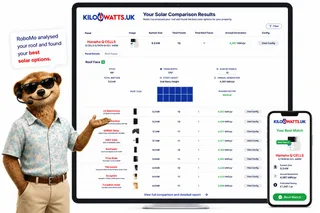
Compare top solar panels for the best performance and value.

Simple, fast & effortless
Provide a few details, sit back and watch your results unfold.
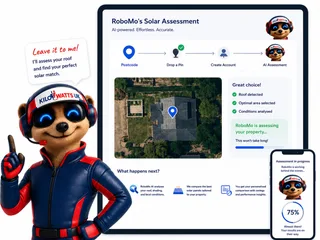
STEP 1
Choose Home, Business or Industrial
Enter your postcode to start your assessment.
STEP 2
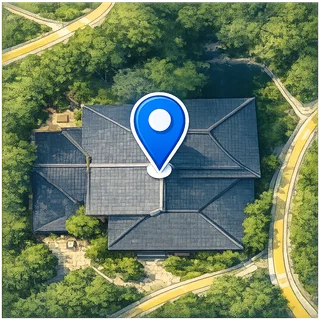
Drop a pin on your roof
STEP 3
Create your free account
STEP 4

Sit back and watch RoboMo™ work
RoboMo™ analyses your roof and builds your personalised solar comparison.

Kilowatts UK is an authorised representative
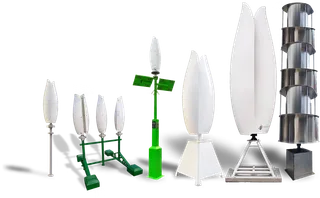
Flower Turbines
Compact vertical-axis turbines built for real UK sites, not just open farmland.
They start in light wind, sit in a small footprint, and are bird-safe by design. Cluster them as a bouquet and the group performs better together than the same turbines standing alone. Enter your postcode for a location-based generation estimate. Figures use area weather data and will differ if buildings, trees or hills sit in the way.
Starts in light UK wind
Built to generate in typical UK wind, not only open farmland.
Small rooftop or ground footprint
Compact towers for roofs, yards and tight sites.
Bird-safe slow rotation
Slow vertical-axis spin, bird-safe by design.
Bouquet clusters raise output
Grouped turbines outperform the same units standing alone.
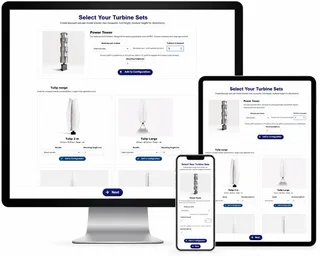
Step 1
Enter your postcode
Start designing your wind energy system in seconds.
STEP 2

Choose a location
STEP 3
Place your cluster
Tap the map where you want the turbine cluster to go.
STEP 4

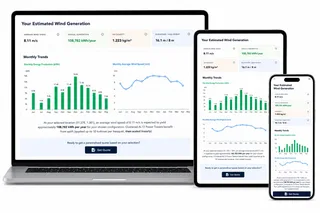
Instant generation forecasts
Compare different turbine layouts and see annual generation forecasts instantly.
STEP 5
No commitment required
Explore different configurations before deciding whether to request a quotation.
Related articles
Mo's Mission Nominations
FAQ
Need Help? RoboMo's Got Answers
How do you install solar panels in the UK?
To install solar panels in the UK, first check whether your roof is suitable, then get quotes from qualified installers, complete a survey and agree a final system design. Your installer should confirm planning, building regulations and DNO requirements before fitting the mounting system, panels, inverter, cabling and any battery. The system is then tested, commissioned and handed over with certificates, warranties and monitoring details.
Should I use an MCS-certified solar installer?
For most grid-connected home solar PV systems, you should use an MCS-certified installer. MCS certification helps show that the system has been installed to recognised standards and is commonly required by energy suppliers before they will pay Smart Export Guarantee export payments. It can also make warranty, insurance and future house sale questions easier to deal with.
Can I install solar panels myself in the UK?
DIY solar installation may be possible for small off-grid systems, such as a shed, campervan or remote low-voltage setup, but it is usually not sensible for a normal grid-connected home system. Domestic solar PV involves roof work, electrical safety, DC cabling, grid connection rules, testing and certification. A DIY grid-connected system may create safety risks and can make it harder to get export payments, prove compliance or satisfy insurers.
Do I need planning permission for solar panels in the UK?
Many domestic roof-mounted solar panel installations are permitted development, so planning permission is often not needed. However, you should check carefully if your property is listed, in a conservation area, in a National Park or protected landscape, a flat or maisonette, or if you are considering a ground-mounted system. Planning permission is separate from building regulations and DNO requirements.
What building regulations apply to solar panel installation?
Solar panel installations must be structurally and electrically safe. The roof must be able to carry the additional load, the fixings must resist wind uplift, weatherproofing must not be compromised, and the electrical work must be correctly designed, installed and tested. Your installer should explain how building regulations compliance will be handled and provide the relevant certificates after installation.
What is DNO approval for solar panels?
The DNO is the Distribution Network Operator responsible for the local electricity network. Grid-connected solar systems must either be notified to the DNO or approved by the DNO, depending on the inverter size and connection type. Smaller systems often fall under G98 rules, while larger systems usually need G99 approval before installation. A common G98 limit is 16 amps per phase, roughly 3.68 kW AC on a single-phase supply.
How long does it take to install solar panels?
The physical installation of a straightforward home solar system often takes 1 to 3 days once scaffold is in place. The full process from quote to commissioning usually takes longer, often around 2 to 8 weeks, because it includes surveys, design, scaffold booking, paperwork, DNO checks and any roof or electrical preparation. Planning issues, roof repairs or DNO approval can extend the timeline.
How much does solar panel installation cost in the UK?
As a broad guide, a 3 kWp solar PV system may cost around £5,000 to £7,000 installed, a 4 kWp system around £6,000 to £8,500, a 5 kWp system around £7,000 to £10,000, and a 6 kWp system around £8,500 to £12,000. A home battery can add around £3,000 to £8,000 depending on capacity, specification and installation complexity. Actual prices depend on the roof, equipment, scaffold, electrical work and whether extras such as bird protection are included.
What size solar panel system do I need?
The right system size depends on your roof space, electricity use, budget, shading, export limits and whether you want a battery. A small UK home may suit 2 to 3 kWp, a typical family home may suit around 3.5 to 4.5 kWp, and larger homes may consider 5 to 6 kWp or more if the roof and grid connection allow it. A good installer should model expected annual generation and explain the assumptions behind self-consumption and savings.
How many solar panels are needed for a 4 kWp system?
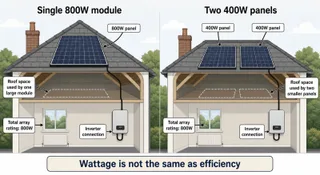
A 4 kWp system typically uses around 10 panels if each panel is rated at 400 W. The exact number depends on the panel wattage, roof layout, shading and safe spacing around roof edges. Modern panels are often around 1.7 to 2.0 square metres each, so usable roof area is a key part of the design.
Is my roof suitable for solar panels?
A suitable roof is usually structurally sound, not due for replacement, reasonably unshaded and large enough for the proposed array. South-facing roofs usually generate the most electricity, but south-east, south-west, east and west roofs can also work well. Roof condition, shading from chimneys or trees, cable routes, access, wind exposure and the type of tiles, slates or roof covering all need to be checked before installation.
Can solar panels be installed on an east or west-facing roof?
Yes, east and west-facing roofs can be suitable for solar panels. East-facing panels generate more electricity in the morning, while west-facing panels generate more in the afternoon and early evening. They may produce less annual electricity than a strong south-facing roof, but they can still be worthwhile, especially if their generation matches when the household uses electricity.
Should I repair my roof before installing solar panels?
If your roof is likely to need repair or replacement soon, it is usually better to complete that work before installing solar panels. Panels can last for decades, and removing and refitting them later adds cost and disruption. A good installer should flag cracked tiles, fragile slates, weak roof structure or other roof issues before finalising the design.
Do I need a battery with solar panels?
No, a battery is not required for solar panels to work. A solar-only system can reduce daytime grid imports and export surplus electricity. A battery stores some surplus solar generation for later use, usually in the evening, which can increase self-consumption. Whether it is financially worthwhile depends on your usage pattern, battery cost, export tariff, import tariff and whether you can use cheap off-peak electricity.
Will solar panels power my home during a power cut?
Most standard grid-connected solar PV systems shut down during a power cut for safety reasons. This prevents electricity being exported to the grid while engineers may be working on the network. If you want backup power, you need a system specifically designed with backup functionality, suitable battery storage and the correct electrical arrangement.
What documents should I receive after solar panel installation?
You should receive a handover pack that includes your MCS certificate, DNO notification or approval evidence, electrical installation certificate, warranty documents, system schematic, equipment manuals, monitoring details, commissioning information and emergency shutdown instructions. If a battery is installed, you should also receive the battery warranty and operating documents. Keep these records for export tariff applications, warranty claims, insurance and future property sale enquiries.
What should I check when comparing solar quotes?
Compare more than the number of panels and headline price. Check the total system size in kWp, inverter size, estimated annual generation, named panel and inverter models, battery usable capacity if included, scaffold costs, DNO handling, MCS certification, warranties, monitoring, roof layout, shading assumptions and whether consumer unit upgrades are included. A good quote should explain the design clearly and use realistic savings assumptions.
Are solar panels worth it in the UK?
Solar panels can be worthwhile for many UK homes, especially where the roof is suitable and the household uses a reasonable amount of electricity during the day. Savings depend on system cost, generation, self-consumption, import prices, export payments and whether a battery is included. Solar output is seasonal in the UK, with higher generation in spring and summer and much lower generation in winter, so quotes should model performance realistically.
Do solar panels work on cloudy days in the UK?
Yes, solar PV panels generate electricity from daylight, not heat, so they can still work on cloudy days. Output is lower in dull conditions than in bright sun, and panels do not generate electricity at night. UK solar generation is strongest from March to September and weakest in winter.
Is bird protection worth fitting during solar installation?
Bird protection mesh can be worth considering, especially in areas where pigeons are common. Birds can nest under panels, causing noise, mess and potential maintenance issues. It is often easier and cheaper to fit bird protection during the original installation than to add it later after scaffold has been removed.