


Oxford Egg-Box Battery Interface Raises Solid-State Discharge Limit Tenfold
Published: 2026-11-25 14:59:12
Updated: 2026-11-25 07:00:08
See how Oxford’s egg-box interface delayed lithium voiding in solid-state battery tests and what UK buyers should compare when choosing storage.
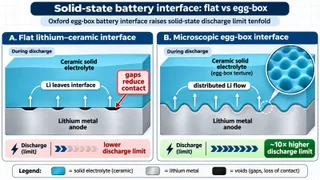
Oxford’s egg-box solid-state battery interface raises the voiding threshold tenfold
An Oxford-led team shaped the boundary between lithium metal and a ceramic electrolyte into a microscopic egg-box pattern. The discharge current density at which gaps first formed rose tenfold, from 0.2 to 2 mA/cm². Both interfaces were tested at 30 °C under 2 MPa of stack pressure. Charging speed, vehicle range and battery pack output would each require separate testing. (Zhang et al., *Nature Energy*.)
How the egg-box shape delays lithium voiding
During discharge, lithium leaves the metal electrode as ions and moves through the solid electrolyte. If the metal cannot replenish the surface quickly enough, small gaps called voids open along the boundary. The remaining points of contact carry more current, increasing the voltage loss under load.
The researchers patterned the ceramic surface with peaks and troughs. The peaks were 5 micrometres high and 30 micrometres apart. For the same applied current, the extra contact area reduced the average current density. Voids can start where current is concentrated, so the local shape of the surface matters too. The pattern delayed voiding under the test conditions.
What the WLTP laboratory discharge profile showed
In a separate laboratory test at 60 °C and 2 MPa, the researchers used a discharge profile based on the Worldwide Harmonised Light Vehicles Test Procedure (WLTP). Each discharge sequence comprised ten consecutive WLTP cycles and included brief current peaks of 9 mA/cm². The contoured cell completed repeated sequences. The flat-interface cell showed rising voltage losses in its first cycle and reached the test’s voltage limit before the end of the second, falling short of a full ten-cycle sequence.
Lower current between bursts gives lithium more time to redistribute. That helps explain why the cell tolerated brief peaks above the voiding threshold measured in the earlier test. The researchers omitted regenerative charging from the profile and slowly replated lithium between discharge sequences in a separate laboratory step.
What has to happen before the design reaches a battery pack
The researchers also tested laboratory full cells at 60 °C and 2 MPa. Their model estimated that the contour reduced the energy stored per unit of cell volume by about 5%. At pack level, the result would also depend on how much space and weight the hardware needs to maintain pressure and manage temperature.
Manufacturers would need to reproduce the pattern across larger electrode areas and show that it maintains contact through repeated cycles over a wider range of temperatures. Pack service life and a route to commercial production remain open questions.
The study’s figures in mA/cm² measure current per unit area at the cell interface. For an installed battery, continuous output in kW tells you how much power it can supply at once. Usable capacity in kWh tells you how much energy it can deliver. Both figures matter when you size a home battery.
What UK homes, flats and businesses should compare today
If you have rooftop solar, compare your daytime surplus with the electricity you buy after generation falls. Check both summer and winter before choosing a capacity. If you plan to charge from the grid during cheaper hours, check that the battery payback estimate uses the tariff you expect to pay and accounts for charging and discharging losses. If you’re adding storage to existing solar, ask how the battery will work with your inverter and what metering or electrical work the quote includes.
For a flat, check how much sun the balcony gets, where you can safely fix the panels and what permission you need from the landlord, freeholder or building manager. Energy Saving Trust’s Great Britain guidance explains that panels with integrated battery storage fall outside the plug-in rules. Before buying a combined kit, check how the supplier proposes to connect it and whether that connection suits the property. If you already use most of the electricity as it is generated, there may be little surplus to store.
When assessing storage for a business or farm, use half-hourly meter data to see when demand rises and how long it stays high. Ask the installer to check shorter peaks or equipment start-up loads separately if they matter to the design. On a three-phase site, ask how much continuous power the system can supply on each phase. If you need backup power, ask which circuits the battery will support and how much power it can supply to them in total. Give each installer the same usage data and ask for the usable capacity, continuous output, warranty terms and assumptions behind projected savings. Use those figures to compare quotes and check whether your usage justifies extra capacity or a higher-powered inverter. If you’re planning solar and storage together for your home, you can compare residential solar options.
Solar comparison
Compare solar for your property
Enter your postcode to assess your roof, compare solar options and get quotes from UK installers.
- Free postcode start
- Home, business and industrial
- RoboMo™ maps your roof
See which panels fit your roof
Choose home, business or industrial, then enter your postcode. RoboMo maps the roof and ranks panel brands by fit.
1. Postcode Start the assessment for your property.
2. Pin the roof Mark the array on the map.
3. Compare RoboMo™ builds your options.

Battery ROI tool
See what a battery saves on your bill
Enter the day rate, off-peak rate and export rate. The calculator ranks batteries in the Kilowatts shop over 10 years. Home batteries also suit offices and small commercial sites.
Reading
Sources and further reading
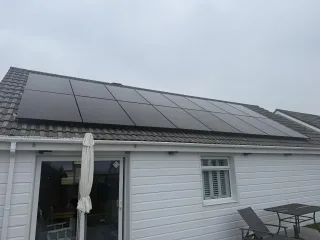
On cold UK mornings a home battery limits its own charge current to protect the cells, warms up first, then charges fully. Here's why that's protection, not a fault.
Read article

See how soda ash improved a solid-state sodium battery electrolyte, what 850 lab cycles show and what UK buyers should check in battery storage quotes.
Read article
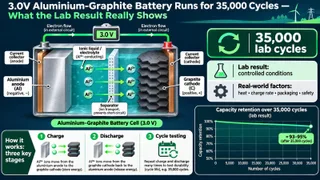
See why 3.0 V is the charge cut-off, how aluminium-graphite battery capacity fell over 35,000 lab cycles and what UK storage buyers still need to know.
Read article
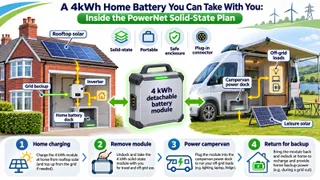
Could PowerNet’s detachable 4 kWh solid-state battery serve UK homes and campervans? See what Australia’s pilot covers and what buyers still need to know.
Read article



Mo's Solar Mission
Mo's Mission Nominations
Garlinge Primary School and Nursery
Garlinge Primary School and Nursery is a foundation primary school on Westfield Road in Margate, Kent, for children aged 3 to 11. It is m...
St Luke's Church of England Primary SchoolSt Luke's Church of England Primary School is a voluntary controlled Church of England primary school on Jubilee Road in Formby, Merseysi...
Comberbach Nursery and Primary SchoolComberbach Nursery and Primary School is a primary academy on Mather Drive in the village of Comberbach, near Northwich in Cheshire, for...
Locations
Solar installation near you
Write for Kilowatts.uk
Got a trade and something worth saying?
Write it here under your own name. Sign in, put a profile up, and start a guide. Pay only if you want more links from your articles out to your own site.
Register
Create a Kilowatts.uk account, or sign in if you already have one.
Author profile
Put your name, photo and experience on a public author page.
Start creating
Write a guide or a blog. Free authors can put one followed link to their own site in articles each month.
FAQ
Need Help? RoboMo's Got Answers
What did Oxford’s egg-box battery design improve?
The researchers added microscopic peaks and troughs to the surface where the lithium metal meets the ceramic electrolyte. In tests at 30 °C and 2 MPa of pressure, gaps began forming at 2 mA/cm² with the patterned surface, compared with 0.2 mA/cm² with a flat surface. Those gaps reduce contact and increase voltage loss during discharge.
Does the tenfold result mean faster charging or longer EV range?
The tenfold increase applies to the discharge current per unit area at which gaps first formed. A separate lab test used a drive-cycle discharge profile with brief bursts of higher current and omitted regenerative charging. Charging speed, vehicle range and total pack output would each need separate testing.
Can I buy a home battery with this design?
The study tested laboratory cells. Turning the design into a commercial battery would require manufacturing the pattern across larger electrodes and checking how well it holds up through repeated use at different temperatures. The study gives no release date for a home battery using the design.
Could the egg-box pattern reduce how much energy a battery stores?
The researchers’ model estimated that the pattern reduced the energy stored per unit of cell volume by about 5%. The effect on a complete battery pack would also depend on how much space the hardware needs to maintain pressure and manage temperature.
What battery specifications should I compare for my home?
Usable capacity in kWh tells you how much energy the battery can deliver, while continuous output in kW tells you how much power it can supply at once. Use your daytime solar surplus and evening usage in summer and winter to judge capacity. Check continuous output against the appliances you expect to run together, and ask which circuits the system can supply during a power cut if you need backup.
Can I add a battery to my existing solar panels?
Ask your installer whether the battery can work with your existing inverter and what extra metering or electrical work the quote includes. To judge potential savings, compare how much spare solar electricity you generate with how much electricity you buy after solar output falls. If you also plan to charge from the grid, use your expected tariff and include charging and discharging losses in the estimate.
Is a battery worth adding to balcony solar in a flat?
A battery may have little surplus to store if you already use most of your solar electricity as it is generated. Before buying a combined kit, ask the supplier how it would connect to your flat and check what permission you need from your landlord, freeholder or building manager. Check how much direct sun your balcony gets and where the panels can be safely fixed.
Live help
Need help right now?
Talk to RoboMo™ and get instant answers.